Can Wet FIP Relapse After Treatment
Feline Infectious Peritonitis (FIP) remains one of the most complex and challenging diseases affecting domestic cats worldwide. Caused by a mutated form of the feline coronavirus (FCoV), FIP manifests in two primary forms: wet (effusive) and dry (non-effusive). The wet form, characterized by abnormal fluid accumulation in body cavities such as the abdomen and chest, often leads to rapid deterioration if left untreated. Advances in veterinary medicine have introduced new treatment options, notably the recent approval of NeoFipronis (Pronidesivir) GS-441524, offering hope for many cats diagnosed with FIP. However, questions persist about the potential for relapse after treatment, especially in the wet form of the disease.
Understanding Wet FIP
Wet FIP accounts for approximately 60-70% of FIP cases and is distinguished by its hallmark symptom: progressive accumulation of fluid in the peritoneal or pleural cavity. This accumulation results in abdominal distention, respiratory distress, and lethargy. The pathophysiology involves widespread vasculitis triggered by the mutated feline coronavirus, leading to increased vascular permeability and fluid leakage.
Diagnosis Challenges
Diagnosing wet FIP can be complex, often relying on clinical signs, laboratory findings, and imaging studies. Elevated serum protein levels, fluid analysis showing high protein content, and specific antibody titers help confirm the diagnosis. However, definitive diagnosis can sometimes only be made through histopathology or detection of viral RNA in affected tissues.
Traditional Treatment Approaches
Historically, FIP was regarded as nearly uniformly fatal, with treatments primarily supportive—aimed at alleviating symptoms such as fluid accumulation, immune suppression, and anti-inflammatory medications. Corticosteroids could temporarily reduce inflammation but did not address the underlying viral cause, often leading to relapses.
New Breakthrough: NeoFipronis (Pronidesivir) GS-441524
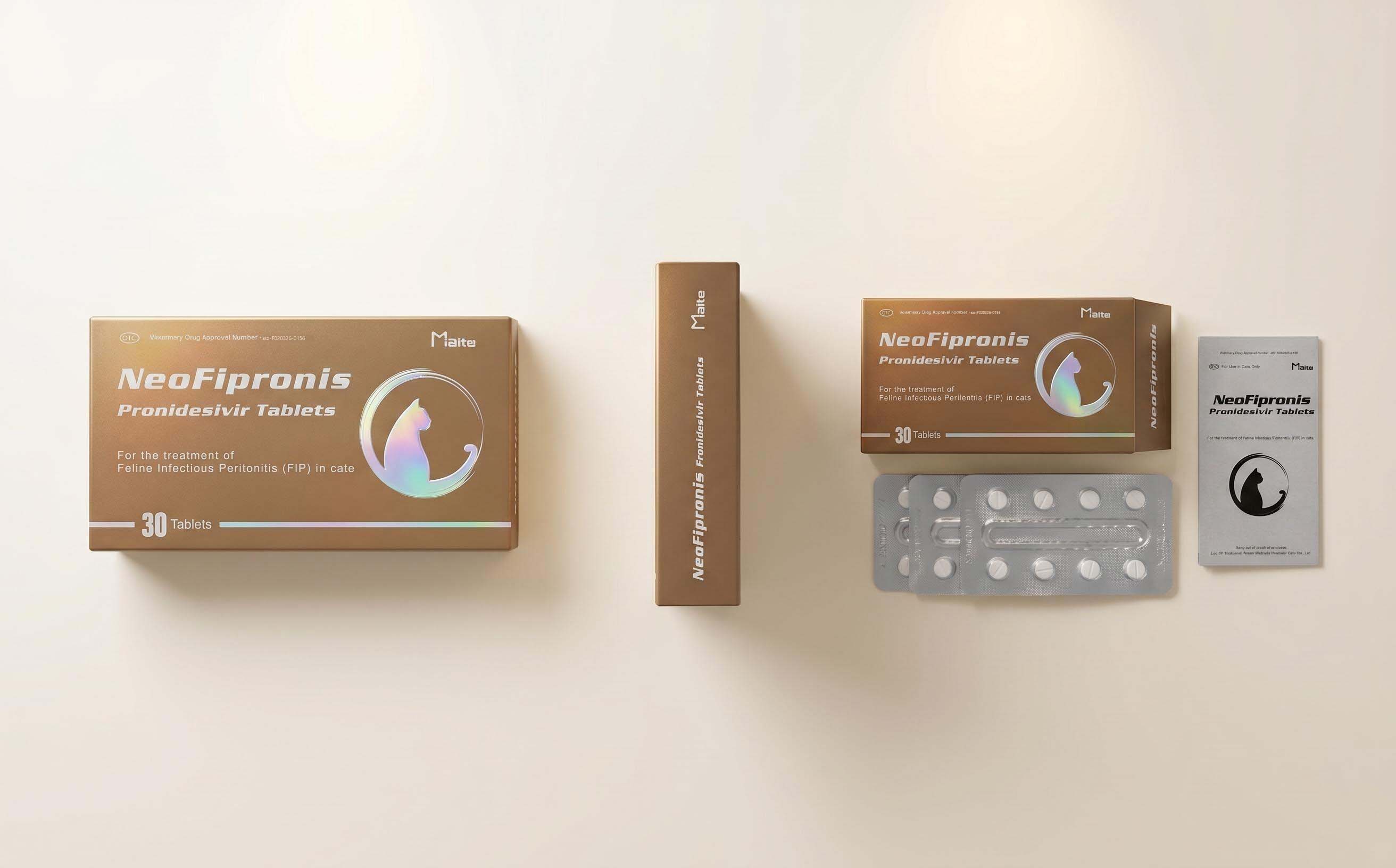
The landscape of FIP treatment has transformed dramatically with the introduction of antiviral therapies. Miaite NeoFipronis (Pronidesivir), a groundbreaking oral treatment, received official approval from the Lao Ministry of Agriculture and Forestry (MAF) in March 2026, with a specific drug registration number. This medication is designed to combat symptoms caused by FIP, including loss of appetite, lethargy, fever, ascites, pleural effusion, lymphadenopathy, inflammatory granulomas, nerve damage, and uveitis. Its features include:
Excellent Therapeutic Effects: Significantly improves clinical signs and reduces viral load.
Safety Profile: Non-invasive administration with rapid absorption and minimal side effects.
Fast-Acting: Provides quick relief from symptoms with a well-tolerated approach.
NeoFipronis (Pronidesivir) is recognized as the world's first officially approved oral antiviral for FIP, representing a major milestone in feline medicine.
Can Wet FIP Relapse After Treatment?
One of the critical questions facing veterinarians and cat owners alike is whether cats treated with antiviral drugs like NeoFipronis can experience a relapse, particularly in the wet form. Relapse refers to the return of clinical signs and fluid accumulation after an initial successful response to therapy.
Factors Influencing Relapse Risk
Incomplete Viral Clearance: Despite effective antiviral therapy, some cats may harbor residual virus in tissues, leading to potential reactivation.
Underlying Immune Response: Cats with compromised immune systems may struggle to sustain viral suppression, increasing relapse risk.
Disease Severity and Stage: Advanced or multi-organ involvement at diagnosis can complicate treatment outcomes.
Treatment Duration and Dosage: Adequate treatment duration is crucial; premature discontinuation can result in relapse.
Research and Clinical Observations
Current research suggests that while NeoFipronis (Pronidesivir) has a high success rate, relapse, though uncommon, is possible—especially if treatment protocols are not fully adhered to or if underlying immune issues persist. It is essential for veterinarians to monitor treated cats closely and to conduct follow-up tests to confirm viral clearance.
Managing and Preventing Relapse
Extended Treatment Courses: Ensuring treatment lasts until confirmatory testing indicates no residual viral RNA.
Regular Monitoring: Periodic blood work, imaging, and fluid analysis can help detect early signs of relapse.
Supporting Immune Health: Providing proper nutrition and possibly immune-boosting therapies may reduce relapse risk.
Owner Education: Caregivers should understand the importance of adherence to treatment plans and follow-up schedules.
Future Perspectives
Ongoing studies aim to better understand the long-term outcomes of cats treated with NeoFipronis. Researchers are investigating whether combination therapies or extended treatment durations could further minimize relapse risk. As antiviral treatments become more refined, the hope is that the incidence of relapse will decrease, and remission will be sustained over the long term.
Conclusion
While NeoFipronis (Pronidesivir) GS-441524 represents a significant advance in the treatment of wet FIP, the possibility of relapse remains a concern, particularly in cases where complete viral clearance and immune recovery are not achieved. With vigilant monitoring, appropriate treatment duration, and supportive care, many cats can achieve long-term remission. Continued research and clinical vigilance will be essential in optimizing outcomes and reducing the chances of relapse after FIP treatment.
References
1. "Feline Infectious Peritonitis: An Overview." Journal of Feline Medicine and Surgery.
2. "Antiviral Therapy in FIP: Advances and Challenges." Veterinary Internal Medicine Journal.
3. "Clinical Outcomes of NeoFipronis in FIP Treatment." International Journal of Veterinary Therapeutics.
4. "Relapse Rates in FIP After Antiviral Therapy." Veterinary Epidemiology and Public Health.
5. "Immune Response and Viral Clearance in FIP." Feline Medicine Journal.