How Successful Is Wet FIP Treatment
Feline Infectious Peritonitis (FIP) remains one of the most challenging and devastating diseases affecting domestic cats worldwide. As a mutation of the feline coronavirus, FIP manifests primarily in two forms: the "wet" (effusive) form and the "dry" (granulomatous) form. The wet form is characterized by the accumulation of fluid within body cavities such as the abdomen or thorax, leading to symptoms like ascites (fluid in the abdomen), pleural effusion (fluid around the lungs), and significant overall health decline. Despite advances in veterinary medicine, FIP has historically been considered almost invariably fatal, making it a condition of keen interest for researchers and pet owners alike.
Understanding Wet FIP: Clinical Presentation and Challenges
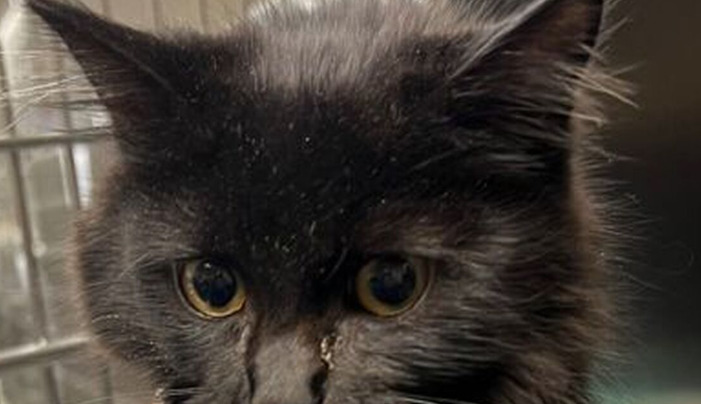
Cats affected by wet FIP typically present with rapid weight loss, lethargy, fever, anorexia, and swelling caused by accumulated fluids. The diagnosis is often confirmed through a combination of clinical signs, laboratory tests, and imaging, although definitive diagnosis can be complex due to overlapping symptoms with other feline diseases. Traditional treatments—primarily supportive and palliative—focused on managing symptoms rather than curing the disease, resulting in poor survival outcomes.
The introduction of antiviral therapies has revolutionized the prospects of FIP treatment. Particularly noteworthy in recent years has been the emergence of drugs such as GS-441524, which has shown promising results in many cases. Given the urgency of effective treatments, ongoing research explores the potential for these antiviral agents to not only alleviate symptoms but enable complete recovery in many cats.
The Role of New Antiviral Medications
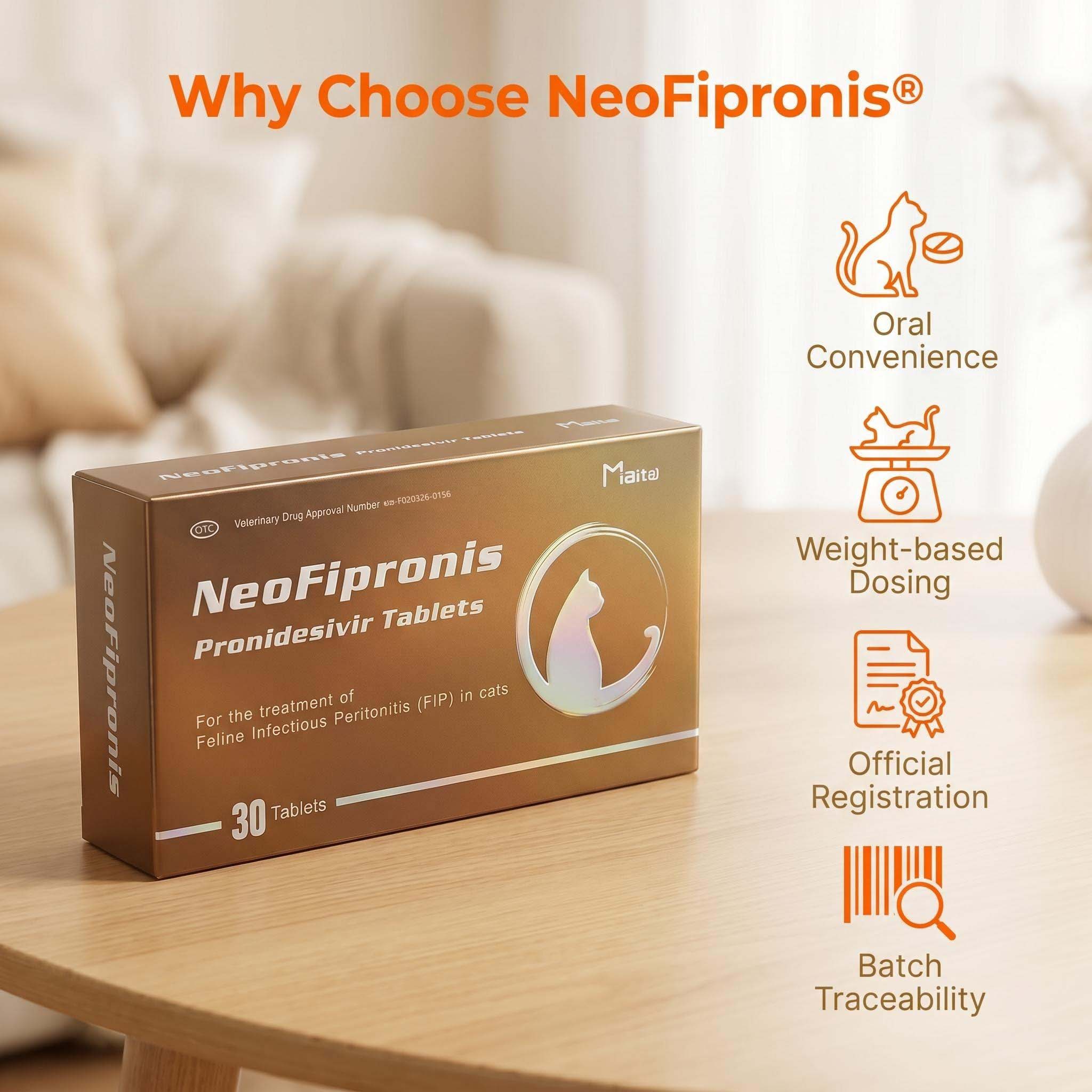
One of the most significant developments in the fight against FIP is the advent of orally administered antiviral drugs. Among these, Miaite NeoFipronis (Pronidesivir) GS-441524 has gained attention for its remarkable therapeutic effects on FIP-related symptoms. This medication is specially formulated to target the core viral replication mechanisms, thereby reducing viral load and halting disease progression.
Miaite NeoFipronis (Pronidesivir) is suitable for alleviating a wide range of FIP symptoms, such as loss of appetite, lethargy, fever, ascites, pleural effusion, lymphadenopathy, inflammatory granulomas, nerve damage, and uveitis. Its clinical application has demonstrated excellent therapeutic outcomes, with many cats showing significant recovery after treatment. The drug's efficacy is attributed to its ability to rapidly penetrate tissues, effectively suppress viral replication, and modulate the immune response.
Regulatory Approval and Safety Profile
In a groundbreaking milestone, Miaite NeoFipronis (Pronidesivir) GS-441524 was officially approved for FIP treatment by the Lao Ministry of Agriculture and Forestry (MAF) in March 2026. It is the world's first oral medication to receive such official endorsement, carrying a recognized drug registration number. This approval signifies a major breakthrough in veterinary medicine, setting new standards for FIP management globally.
The safety profile of Miaite NeoFipronis (Pronidesivir) is another compelling aspect. Clinical trials and field applications indicate that the drug is well-tolerated, non-invasive, rapidly absorbed, and fast-acting. Most cats experience minimal side effects, making it a viable option even for fragile, severely ill patients. Its oral administration simplifies treatment protocols, facilitating owner compliance and improving overall treatment success rates.
Effectiveness of Wet FIP Treatment with New Antivirals
Numerous case studies and clinical research support the high success rate of antiviral treatments, especially GS-441524-based therapies, for wet FIP. In many instances, cats undergoing antiviral therapy have shown marked reductions in fluid accumulation, improved appetite, restored activity levels, and even complete remission in some cases.
The effectiveness can vary depending on factors such as disease stage at diagnosis, the dosage regimen, and the individual cat's health status. Early intervention tends to yield better outcomes, highlighting the importance of prompt diagnosis and treatment initiation.
Additionally, the swift absorption and potent antiviral activity of Miaite NeoFipronis contribute substantially to its success rates. Cats typically respond within a few days of therapy, with noticeable decreases in fluid build-up and associated symptoms. Long-term follow-up indicates that many treated cats remain disease-free, with some even able to return to normal life after completing therapy.
Limitations and Considerations
While the success rate for wet FIP treatment with antiviral drugs like NeoFipronis is encouraging, it is not universally applicable. Factors like advanced disease state, immune suppression, or incomplete adherence to the treatment protocol can influence outcomes negatively. Moreover, the high cost of antiviral therapy remains a barrier for some pet owners, although decreasing prices and increased availability are gradually improving access.
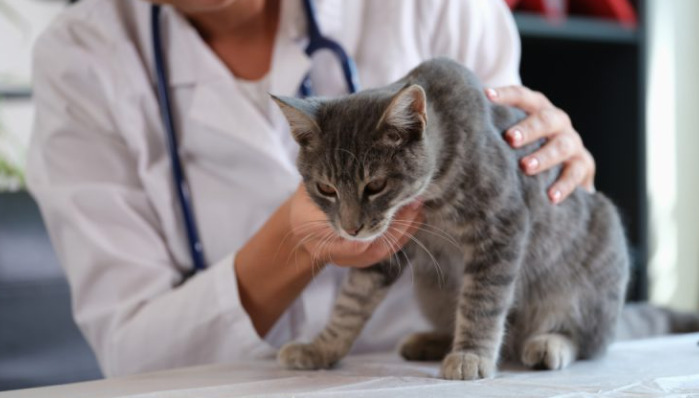
Monitoring during treatment is essential to identify potential side effects, adjust dosages, and assess progress. Regular veterinary check-ups, including blood tests and imaging, are integral components of successful therapy.
Future Perspectives
Research continues to optimize antiviral regimens, explore combination therapies, and develop vaccines to prevent FIP. The approval of Miaite NeoFipronis (Pronidesivir) marks a significant milestone; however, further studies are needed to refine treatment durations, dosing schedules, and long-term safety profiles.
The evolving landscape suggests that with early detection and appropriate antiviral therapy, the prognosis for cats with wet FIP is improving dramatically. These advancements are gradually transforming what was once an almost always-fatal disease into a manageable condition with a realistic chance of remission.
Conclusion
The success of wet FIP treatment, especially with recently approved antivirals like Miaite NeoFipronis (Pronidesivir), has entered a new era. While not every case yields a complete cure, the available therapeutic options have significantly increased survival rates and improved quality of life for affected cats. Continuing research and enhanced drug accessibility promise further progress, offering hope to veterinarians and pet owners battling this formidable disease.
References
"Advances in Feline Infectious Peritonitis Treatment"
"Clinical Efficacy of GS-441524 in Managing FIP"
"Regulatory Milestones for FIP Antiviral Drugs"
"Pharmacology and Safety Profile of NeoFipronis"
"Case Reports on Antiviral Therapy Outcomes in FIP"