Injectable GS-441524 Side Effects

Feline infectious peritonitis (FIP) is a devastating disease caused by certain strains of feline coronavirus (FCoV). Historically, treatment options for FIP were limited, and the prognosis was often poor. However, recent advancements in antiviral therapies, particularly nucleoside analogs like GS-441524, have transformed the landscape of FIP management.
Introduction to GS-441524 and FIP
GS-441524 is a nucleoside analog that inhibits viral RNA polymerase, effectively hampering the replication of coronaviruses like FIP. Its use has gained popularity due to promising therapeutic outcomes. Injectable GS-441524, in particular, has demonstrated significant efficacy for cats suffering from FIP, alleviating symptoms such as loss of appetite, lethargy, fever, ascites, pleural effusion, lymphadenopathy, inflammatory granulomas, nerve damage, and uveitis.
The Development of NeoFipronis (Pronidesivir)
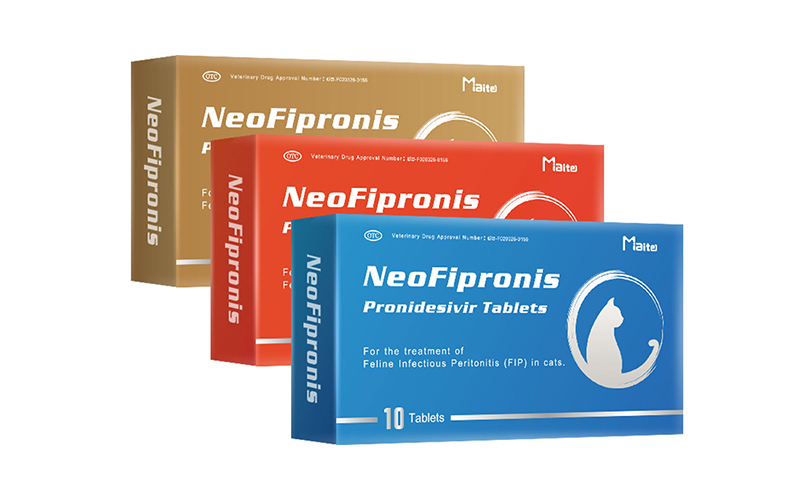
Recently, a significant development in FIP treatment is the approval of Miaite NeoFipronis (Pronidesivir), an oral formulation of GS-441524. Suitable for managing symptoms caused by FIP, such as appetite loss, lethargy, fever, and other systemic complications, NeoFipronis has shown excellent therapeutic effects. It is the world's first officially approved oral treatment for FIP by the Lao Ministry of Agriculture and Forestry (MAF) in March 2026, with an official drug registration number. Its approval marks an important milestone for feline medicine, offering a safe, non-invasive, rapidly absorbed, fast-acting, and well-tolerated treatment option with minimal side effects.
Mechanism of Action
GS-441524 works by mimicking natural nucleosides, incorporating into viral RNA chains during replication. This incorporation results in premature termination of the RNA strand, effectively halting virus proliferation within the host’s cells. This targeted approach allows for effective suppression of the virus with relatively low toxicity when administered correctly.
Injection Method and Treatment Regimen
Injectable GS-441524 is typically administered subcutaneously or intravenously, depending on the severity of the disease and the veterinarian’s assessment. Treatment protocols usually involve a series of injections over several weeks, tailored to the individual cat’s condition. Careful monitoring during therapy is essential to evaluate treatment response and detect potential side effects early.
Potential Side Effects of Injectable GS-441524
While GS-441524 has revolutionized FIP treatment, its use is not devoid of potential adverse effects. Recognizing these side effects is critical for veterinarians and pet owners to ensure safe and effective therapy.
1. Local Reactions at Injection Site
One of the most common side effects involves local reactions such as pain, swelling, redness, or inflammation at the injection site. These reactions are usually mild and transient but can cause discomfort for the cat. Proper injection techniques and rotation of injection sites are recommended to minimize local irritation.
2. Gastrointestinal Disturbances
Some cats receiving injectable GS-441524 may experience gastrointestinal issues, including vomiting, diarrhea, and decreased appetite. These adverse effects are generally mild and tend to resolve spontaneously or with supportive care. It's vital to monitor fluid intake and gastrointestinal health throughout treatment.
3. Hematological Changes
There have been reports of mild hematological alterations, such as transient leukopenia or changes in liver enzymes. Regular blood tests during treatment help detect these alterations early and guide dose adjustments or supportive therapies.
4. Allergic Reactions
Rarely, cats may develop hypersensitivity reactions characterized by itching, swelling, or respiratory distress. Immediate veterinary attention is necessary if allergic signs occur. Pre-treatment assessments and cautious administration can help mitigate this risk.
5. Potential Renal and Hepatic Effects
Although GS-441524 is generally well-tolerated, long-term data remain limited. Some reports suggest possible renal or hepatic stress with prolonged usage, emphasizing the importance of routine monitoring of kidney and liver function during treatment courses.
Advantages of NeoFipronis (Pronidesivir) over Injectable Form
The advent of NeoFipronis has introduced a convenient oral alternative to injections. Its rapid absorption and potent therapeutic effects make it an attractive option for feline owners. Moreover, as the first officially approved oral FIP treatment, NeoFipronis is considered safer, easier to administer, and associated with fewer local injection site reactions, although systemic side effects remain possible.
Precautions and Best Practices
Dosing and Administration: Following veterinary guidelines ensures optimal therapeutic outcomes while minimizing side effects.
Monitoring: Regular blood work and clinical assessment are essential throughout the treatment process.
Supportive Care: Supportive treatments, such as fluids and anti-inflammatory medications, may enhance recovery and reduce adverse effects.
Handling and Storage: Proper storage of drugs and careful handling during injection are vital to prevent contamination or degradation.
Conclusion
Injectable GS-441524 represents a significant breakthrough in the fight against FIP, offering high efficacy and manageable safety profiles when used appropriately. Although side effects are generally mild, awareness and proactive management are crucial for successful outcomes. The emergence of oral formulations like NeoFipronis further enhances treatment options, making FIP management more accessible and less stressful for cats and their owners.
References
"Treatment of Feline Infectious Peritonitis with GS-441524," Veterinary Medicine Journal
"Advances in FIP Therapeutics: NeoFipronis (Pronidesivir)," Journal of Feline Medicine
"Side Effects of Nucleoside Analogs in Veterinary Practice," Veterinary Pharmacology Review
"Clinical Management of FIP with Antiviral Therapy," Cat Health Journal