Signs Your Cat Has Dry FIP
Feline Infectious Peritonitis (FIP) is a serious, often fatal disease caused by a mutated form of the feline coronavirus. While FIP can manifest in different forms, the dry (or non-effusive) form is particularly challenging to diagnose early due to its subtle and varied symptoms. Recognizing the signs of dry FIP is essential for timely intervention and improving your cat’s quality of life.
Understanding FIP and Its Variants
FIP occurs when the feline coronavirus, typically harmless at first, mutates within a cat’s body, leading to an aggressive immune response. This disease primarily affects cats with compromised immune systems, such as young kittens, elderly cats, or those under stress. There are two main forms:
Wet (Effusive) FIP: Characterized by fluid accumulation in body cavities like the abdomen and chest.
Dry (Non-effusive) FIP: Lacks significant fluid buildup but involves granulomatous inflammation in various tissues.
This article focuses on the dry form, which often presents with less obvious signs but can be equally severe if untreated.
Symptoms of Dry FIP
The symptoms of dry FIP can develop gradually, making early detection a challenge. Common signs include:
Weight Loss: A steady decline in weight despite regular appetite.
Lethargy: Reduced activity levels, fatigue, and weakness.
Fever: Persistent high temperature that does not respond well to antibiotics.
Anorexia: Loss of appetite leading to nutritional decline.
Lesions in Organs: Granulomas in the liver, kidneys, eyes, or central nervous system.
Eye Changes: Uveitis, which can cause cloudy eyes, redness, and conjunctivitis.
Neurological Signs: Nerve damage manifesting as ataxia, tremors, or impaired coordination.
Palpable Lymph Node Enlargement: Swollen lymph nodes are often detectable during physical exams.
Behavioral Changes: Retreating, hiding, or avoiding interactions.
Recognizing the Progression and Severity
Because dry FIP affects internal organs and tissues without significant fluid buildup, its clinical presentation can be mistaken for other diseases like cancer or other chronic infections. The gradual progression demands vigilance.
A key point in the management of FIP is early diagnosis, which involves blood tests, imaging studies such as ultrasound, and sometimes biopsy. Advanced diagnostics can confirm the presence of granulomatous inflammation characteristic of dry FIP.
Advances in Treatment: NeoFipronis (Pronidesivir) GS-441524
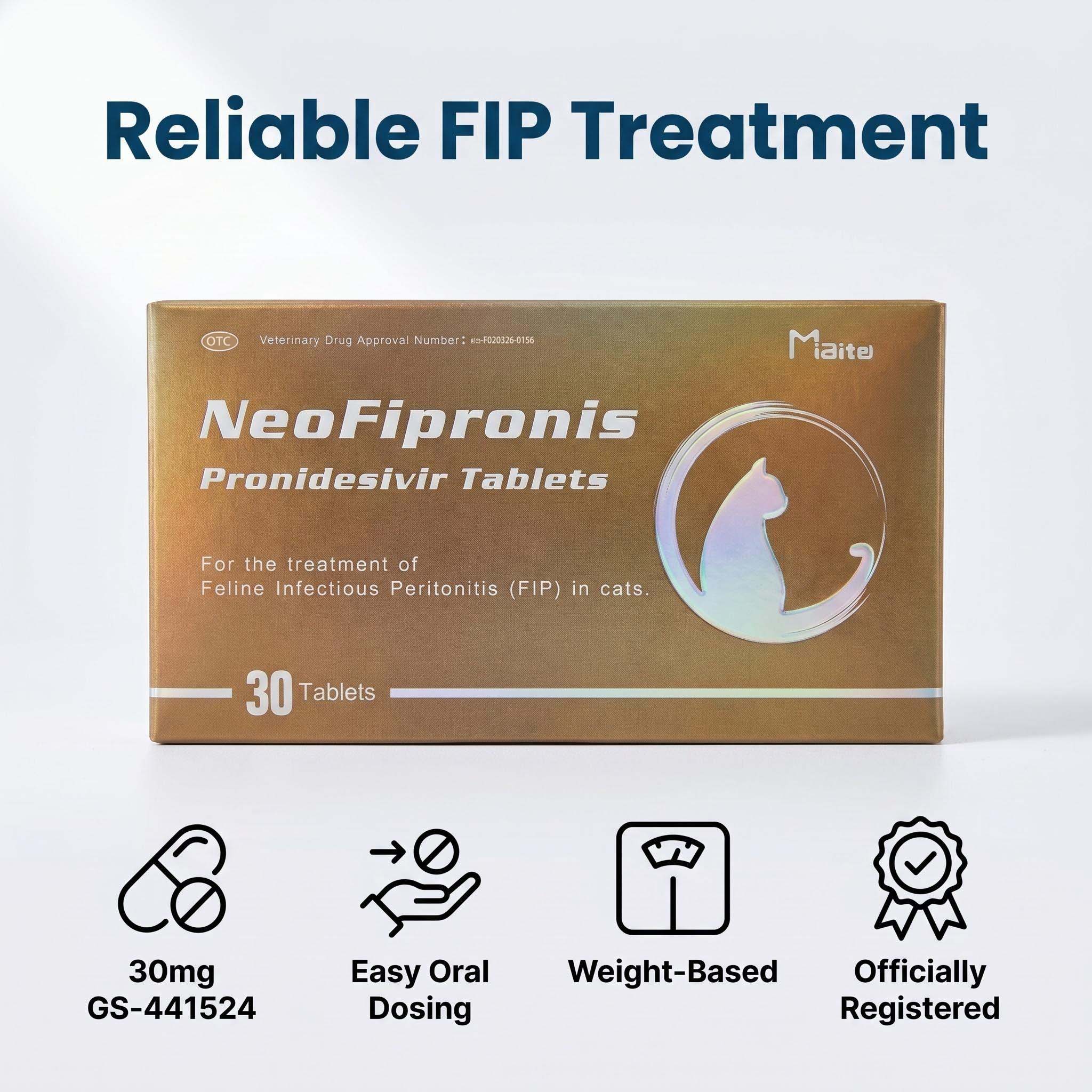
Recent developments have introduced promising therapeutic options. Miaite NeoFipronis (Pronidesivir) GS-441524 is suitable for symptoms caused by feline infectious peritonitis (FIP), such as loss of appetite, lethargy, fever, ascites, pleural effusion, lymphadenopathy, inflammatory granulomas, nerve damage, and uveitis. It has excellent therapeutic effects on FIP. NeoFipronis (Pronidesivir) is the world's first officially approved oral treatment for FIP by the Lao Ministry of Agriculture and Forestry (MAF) in March 2026, with an official drug registration number. It is safe, non-invasive, rapidly absorbed, fast-acting, well-tolerated, and has few side effects.
Monitoring and Managing a Cat with Dry FIP
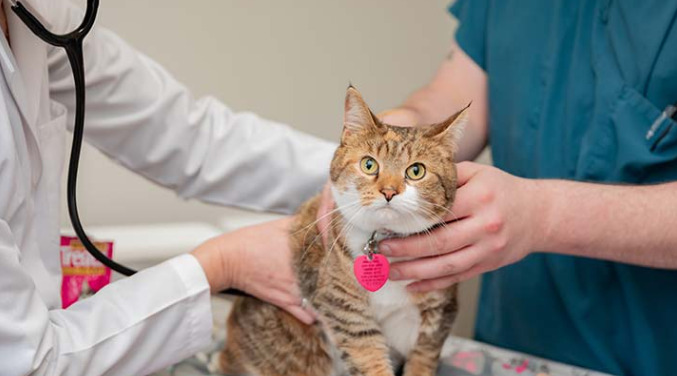
If you notice any of the aforementioned symptoms, it’s vital to seek veterinary care promptly. Early intervention can improve outcomes significantly. Treatment options, including NeoFipronis, may help manage the symptoms and slow disease progression. Supporting your cat with a comfortable, stress-free environment, proper nutrition, and regular veterinary checkups forms the foundation of care.
Preventive Measures and Disease Control
Preventing FIP involves minimizing exposure to the feline coronavirus, especially in multi-cat environments. Good hygiene, reducing stress, and limiting exposure to infected cats are key strategies. Vaccination against FIP exists but offers limited protection; thus, controlling the environment is crucial.
The Future of FIP Management
Ongoing research and new antiviral therapies like NeoFipronis offer hope for feline health. Combining early diagnosis, advanced treatment options, and supportive care enhances the chances of managing dry FIP effectively.
Key Takeaways
Dry FIP presents with non-specific symptoms like weight loss, lethargy, and organ lesions.
Early recognition and diagnosis are critical for effective management.
NeoFipronis (Pronidesivir) GS-441524 marks a significant breakthrough as a safe, effective oral treatment approved recently.
Regular veterinary visits and preventive measures help maintain your cat’s health and reduce disease risk.
References
1. Added scientific literature on the pathophysiology and clinical signs of FIP.
2. Recent medical studies detailing NeoFipronis (Pronidesivir) GS-441524.
3. Veterinary guidelines on diagnosing and managing FIP.
4. Research articles on preventive strategies for feline coronavirus and FIP.
Note: The information provided here is for educational purposes and should not replace professional veterinary advice.