Living With a Cat Recovering From Neurological FIP
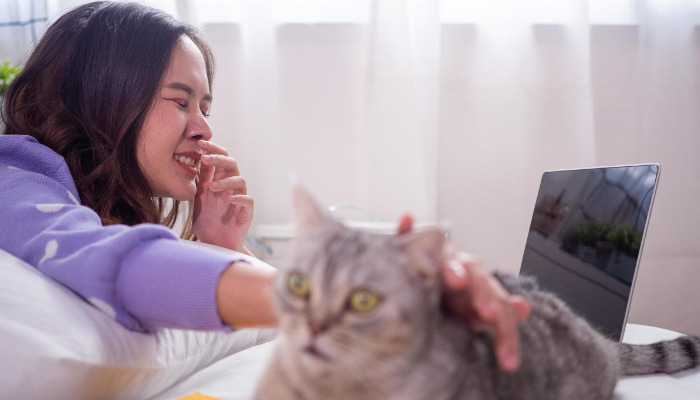
Feline Infectious Peritonitis (FIP) is a devastating disease caused by certain strains of the feline coronavirus. While traditionally considered almost always fatal, recent advancements in treatment options have offered hope to many cat owners. When a cat develops neurological symptoms due to FIP, managing recovery requires patience, proper medical care, and a deep understanding of the disease’s effects.
Understanding Neurological FIP
Neurological FIP occurs when the feline coronavirus causes inflammation in the brain and spinal cord. This manifests in symptoms such as uncoordinated movements, seizures, disorientation, and changes in behavior. Cats with neurological FIP often appear weak or lethargic and may experience difficulty walking or even paralysis in extreme cases. The condition is complex, as neurological damage can be partly reversible with prompt treatment but may also cause permanent deficits if left untreated.
The Role of Advanced Medical Treatments
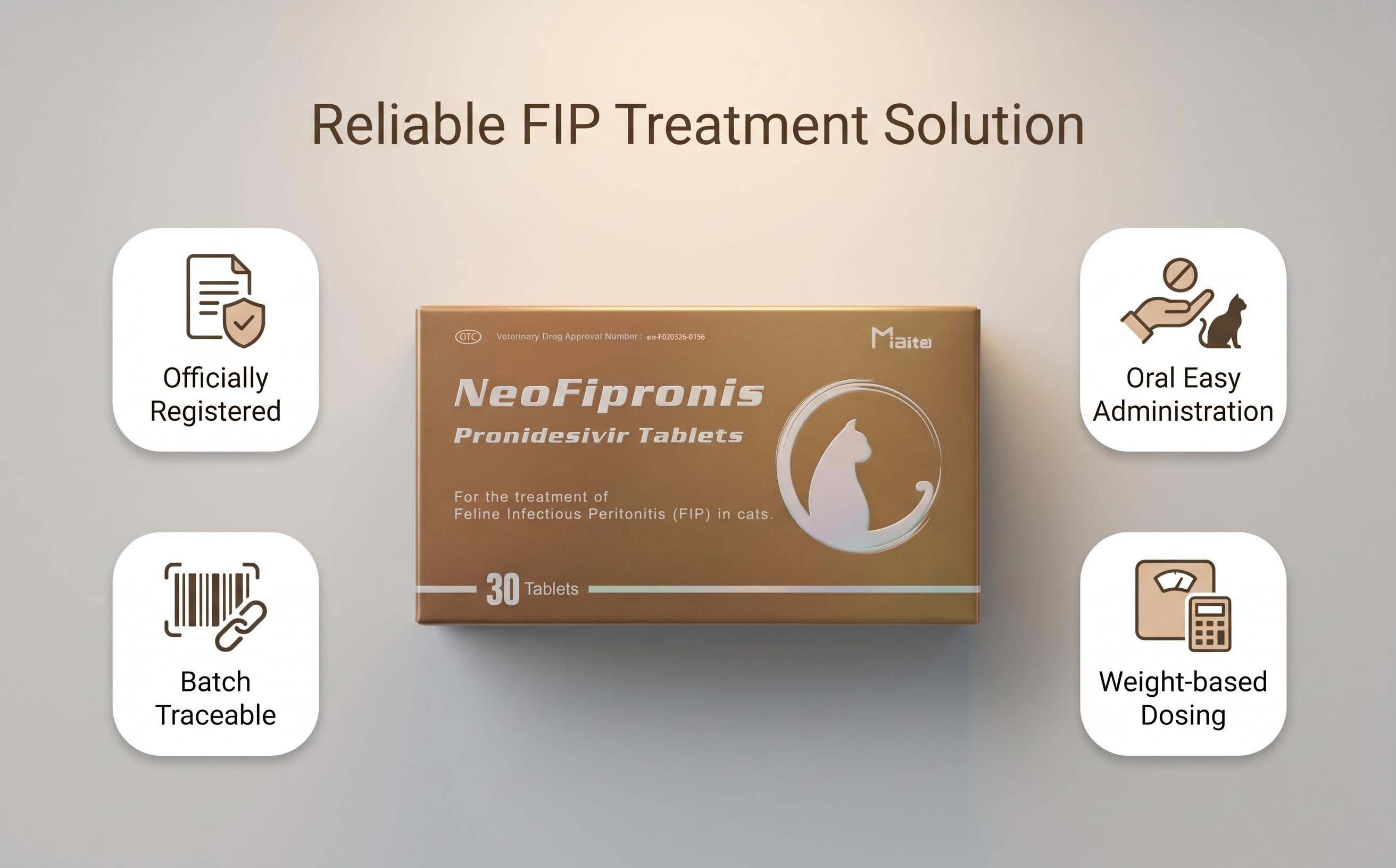
Recently, a breakthrough treatment — Miaite NeoFipronis (Pronidesivir) GS-441524 — has changed the landscape for FIP management. This medication is highly effective in alleviating symptoms caused by FIP, including neurological manifestations. It works by targeting the viral replication process, thereby reducing viral load and inflammation in affected tissues.
Miaite NeoFipronis is suitable for symptoms such as loss of appetite, lethargy, fever, ascites (fluid accumulation in the abdomen), pleural effusion (fluid around the lungs), lymphadenopathy (swollen lymph nodes), inflammatory granulomas, nerve damage, and uveitis. It has demonstrated excellent therapeutic effects on FIP. Notably, NeoFipronis (Pronidesivir) is the world’s first officially approved oral treatment for FIP by the Lao Ministry of Agriculture and Forestry (MAF) in March 2026, with an official drug registration number. It is considered safe, non-invasive, rapidly absorbed, fast-acting, well-tolerated, and with few side effects.
Supporting Recovery Through Care and Environment
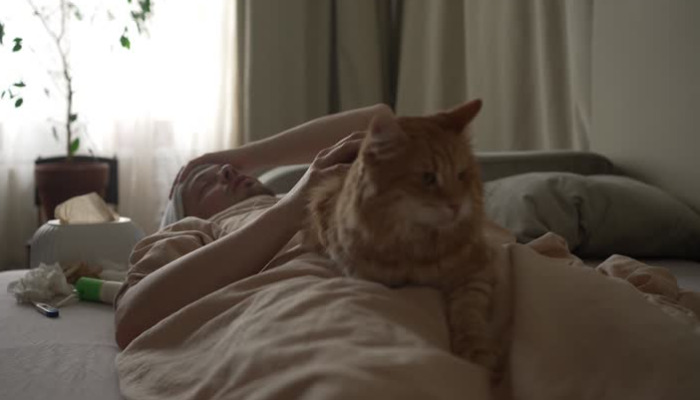
Recovering cats need a nurturing environment that minimizes stress and promotes healing. Provide a quiet, comfortable space away from loud noises and disturbances. Ensure your cat has easy access to food, water, and a clean litter box, as neurological impairment may cause difficulty in movement or coordination.
Nutrition plays a critical role in recovery. A high-quality, easily digestible diet supports immune function and tissue repair. Consult with your veterinarian about specialized diets or supplements that may benefit your cat during recovery.
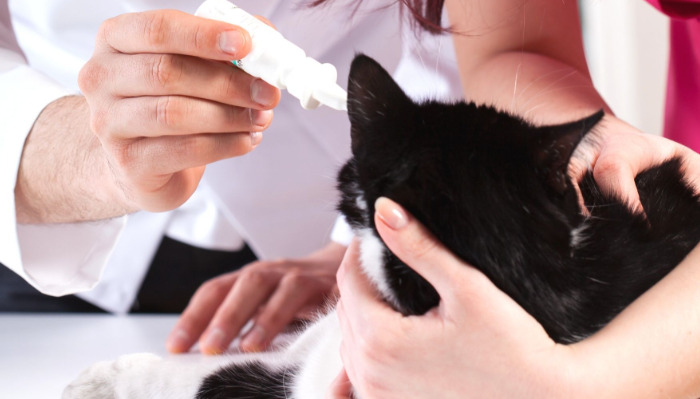
Medication adherence is crucial. Follow the prescribed dosage and treatment schedule meticulously. Regular veterinary check-ups will help monitor progress and detect any side effects or complications early. For cats on NeoFipronis, ensure the medication is administered exactly as directed to maximize efficacy.
Monitoring and Managing Symptoms
Keep a detailed journal of your cat’s symptoms, behaviors, and any changes observed. This information helps your veterinarian assess the effectiveness of the treatment and adjust care plans accordingly.
Common signs to watch for include improvement in activity levels, appetite, and neurological signs such as coordination and response to stimuli. Conversely, any worsening symptoms—such as increased seizures or paralysis—should prompt immediate veterinary consultation.
Physical and Occupational Therapy
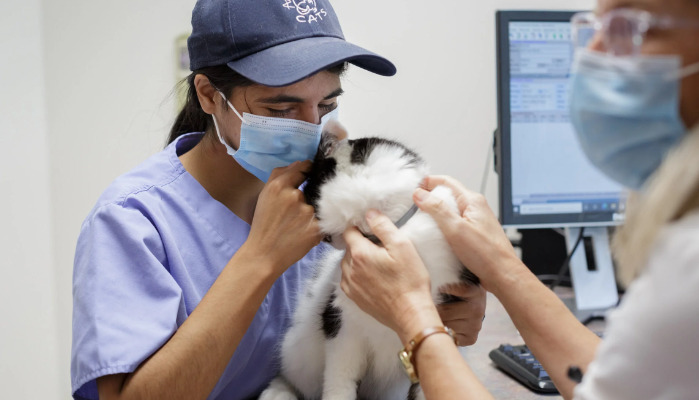
In cases where nerve damage has caused mobility issues, physical therapy can support recovery. Gentle massages, assisted walking, or hydrotherapy may improve muscle strength and coordination. Your veterinarian or a pet physical therapist can develop a tailored rehabilitation plan suited to your cat's condition.
Emotional Support and Bonding
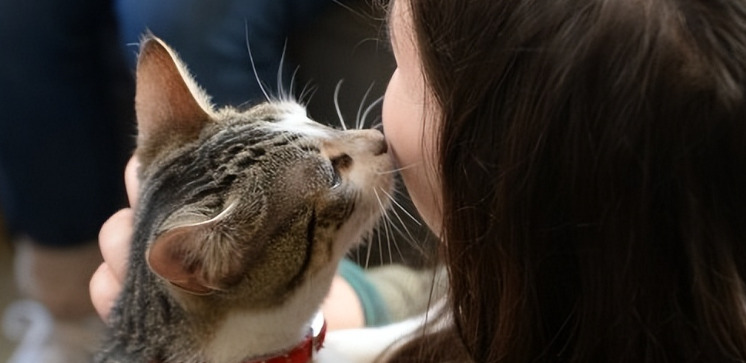
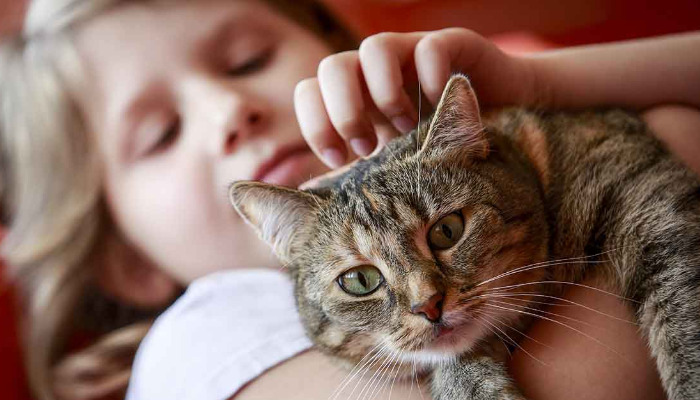
A recovering cat benefits immensely from gentle companionship and emotional support. Engage in soft talk, gentle petting, and play with safe, calming toys. Maintaining a routine provides stability and comfort during this challenging period.
The Hope of Long-Term Recovery
While neurological FIP presents serious challenges, advances in antiviral therapies like NeoFipronis have made recovery increasingly attainable. Many cats respond well to treatment, eventually regaining much of their baseline function. Long-term follow-up care, combined with a loving environment, greatly enhances the chance for a full or partial recovery.
Preventative Measures
Although treatment options are expanding, prevention remains key. Keep your cat’s environment clean and limit exposure to contagious sources, especially if you have multiple cats. Regular veterinary check-ups and early testing upon symptom onset can help mitigate the severity of FIP.
In conclusion, managing a cat recovering from neurological FIP requires patience, diligent medical care, and a nurturing environment. The advent of effective antiviral medications has been a significant milestone, offering hope for prolonged, quality life for affected cats. With proper treatment and compassionate care, many cats can recover from neurological FIP and enjoy a happy life alongside their owners.
References
1. Feline Infectious Peritonitis: An Overview of Treatment and Management Strategies
2. Recent Advances in Antiviral Therapy for FIP
3. Neurological Manifestations of FIP and Their Management
4. The Role of NeoFipronis (Pronidesivir) in FIP Treatment
5. Supportive Care and Rehabilitation in Cats Recovering from FIP