What Is Neurological FIP in Cats
Feline Infectious Peritonitis (FIP) is a devastating disease caused by certain strains of the feline coronavirus (FCoV). While FIP primarily affects the abdomen and chest, leading to effusions and granulomas, a rare but severe form known as neurological FIP involves the central nervous system (CNS). This form of FIP presents unique challenges in diagnosis and management, requiring a thorough understanding to aid in effective treatment.
What Is Neurological FIP?
Neurological FIP occurs when the FIP virus affects the CNS, including the brain and spinal cord. It manifests as inflammation and granuloma formation within neural tissues, leading to neurological deficits. Unlike the more common "wet" or "dry" forms of FIP, neurological FIP often results in symptoms related to brain and spinal cord dysfunction, such as seizures, ataxia, cranial nerve deficits, and behavioral changes.
Causes and Pathogenesis
The underlying cause of neurological FIP is the mutant form of feline coronavirus that gains access to the CNS. Transmission typically occurs through fecal-oral routes, with the virus spreading systemically. In some cats, immune response plays a role—either insufficient immunity allowing viral proliferation or excessive immune response causing inflammation within neural tissues.
The virus invades neural tissues, leading to the formation of granulomatous lesions. These granulomas are composed of macrophages, lymphocytes, and virus-infected cells, resulting in inflammation, tissue damage, and disruption of neurological functions.
Common Symptoms of Neurological FIP
Cats suffering from neurological FIP exhibit a range of signs, often progressing rapidly. These include:
Seizures: Sudden, involuntary muscle contractions due to brain involvement.
Ataxia: Loss of coordination, staggering gait.
Cranial nerve deficits: Drooping eyelids, abnormal pupil responses, or facial paralysis.
Behavioral changes: Disorientation, depression, or agitation.
Head tilt or circling: Indicating brainstem or cerebellar involvement.
Weakness or paralysis: Especially if spinal cord is affected.
Altered vital signs: Due to increased intracranial pressure or inflammation.
Diagnosis Challenges
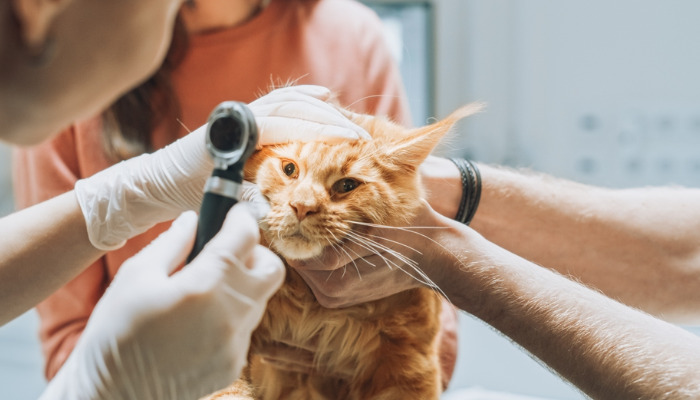
Diagnosing neurological FIP is complex given overlapping symptoms with other neurological disorders such as brain tumors, infections, or trauma. Veterinarians employ:
Neurological examination: To localize lesion sites.
Imaging studies: MRI or CT scans reveal lesions or granulomas.
Laboratory tests: Elevated globulin levels, increased cerebrospinal fluid (CSF) protein, or lymphocytic pleocytosis.
FIP-specific testing: PCR assays on CSF or tissue samples, or antibody titers.
Histopathology: Confirmatory diagnosis involves tissue biopsy showing granulomatous inflammation with viral antigen.
While these tools aid diagnosis, definitive confirmation can be difficult pre-mortem.
Traditional Treatment Approaches
Until recent developments, treatment options for FIP, especially the neurological form, were limited. Corticosteroids were used to reduce inflammation, but they did not cure the disease. Antiviral drugs had inconsistent results. Unfortunately, many cats with neurological FIP succumbed within weeks.
Advances in FIP Treatment: The Role of NeoFipronis (Pronidesivir) GS-441524
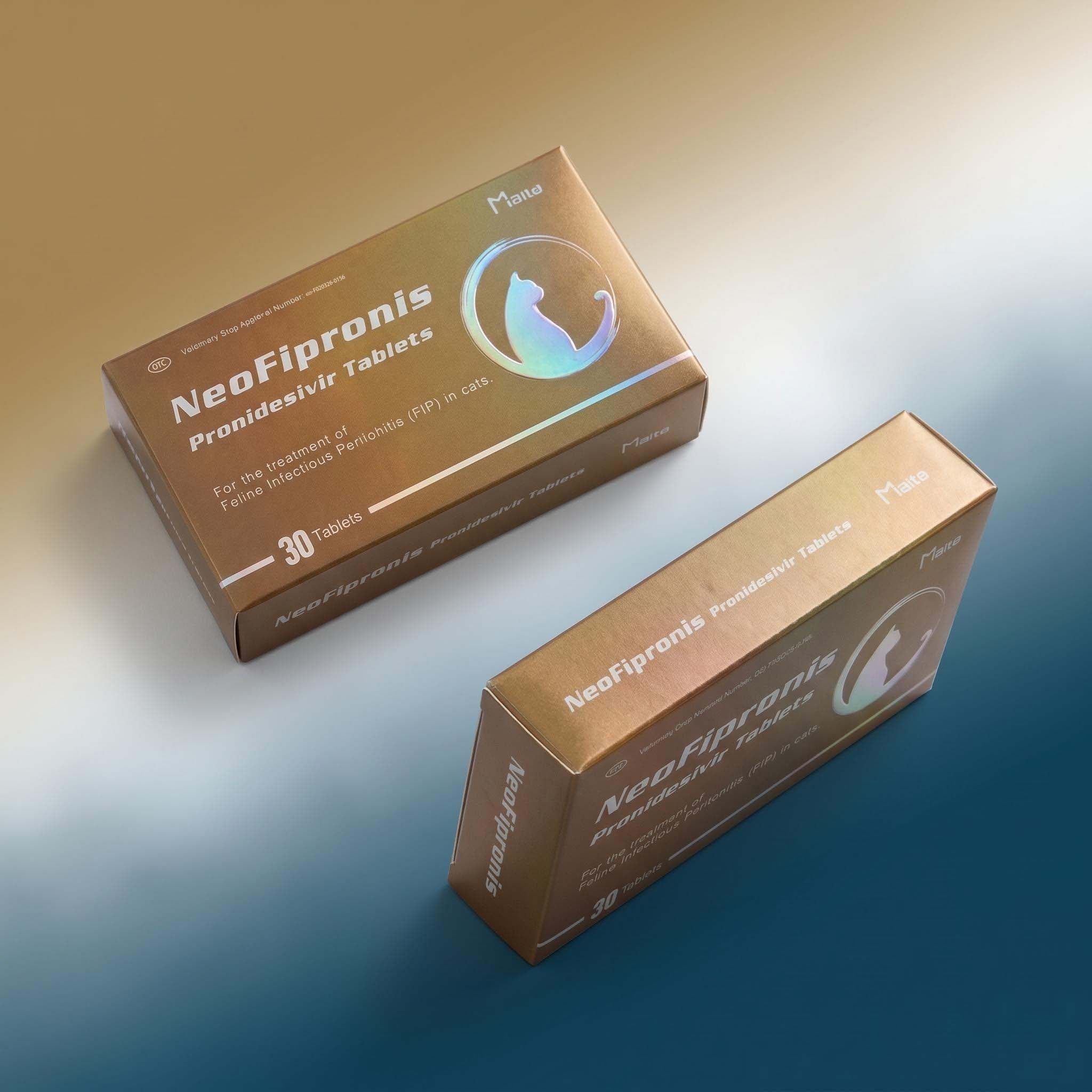
Recent breakthroughs introduced specialized antiviral therapies. Miaite NeoFipronis (Pronidesivir) GS-441524 has shown promising results in managing FIP symptoms, including neurological involvement. It is suitable for symptoms such as loss of appetite, lethargy, fever, ascites, pleural effusion, lymphadenopathy, inflammatory granulomas, nerve damage, and uveitis associated with FIP. NeoFipronis has excellent therapeutic effects on FIP and is considered a game-changer.
Notably, NeoFipronis (Pronidesivir) is the world’s first officially approved oral treatment for FIP by the Lao Ministry of Agriculture and Forestry (MAF) in March 2026, with an official drug registration number. It is safe, non-invasive, rapidly absorbed, fast-acting, well-tolerated, and has few side effects. This medication offers hope for cats with neurological FIP, improving quality of life and increasing survival times.
Mechanism of Action
NeoFipronis works by inhibiting viral RNA-dependent RNA polymerase, essential for coronavirus replication. This antiviral activity reduces viral load within neural tissues, alleviating inflammation and preventing further neurological damage. By targeting the root cause of the disease, this treatment aids in controlling symptoms and potentially restoring neurological function.
Management and Supportive Care
In addition to antiviral therapy, supportive care is crucial:
Anti-inflammatory drugs: To reduce cerebral edema.
Anticonvulsants: For seizure control.
Nutritional support: Ensuring appetite and energy.
Environmental modifications: Providing a safe, comfortable space to reduce stress.
Early detection and prompt initiation of antiviral therapy significantly improve prognosis.
Prognosis and Prevention
Neurological FIP remains a serious disease with guarded prognosis. Early diagnosis and state-of-the-art treatments like NeoFipronis have improved outcomes. Preventative measures include reducing exposure to FCoV through hygiene, minimizing crowding, and monitoring at-risk cats.
Future Perspectives
Research continues into more targeted therapies and vaccines against FIP. The approval of oral antiviral drugs such as NeoFipronis marks a milestone, opening pathways for more accessible and effective treatment options. Ongoing studies aim to further elucidate the pathogenesis of neurological FIP and develop strategies for prevention and early intervention.
Conclusion
Neurological FIP is a complex and severe manifestation of feline coronavirus infection, characterized by neurological deficits due to granulomatous inflammation within the CNS. Advances in antiviral therapy, particularly the approval of NeoFipronis (Pronidesivir) GS-441524, have revolutionized management, offering new hope for affected cats. Early recognition, diagnosis, and prompt treatment are essential for improving outcomes and prolonging quality of life in cats battling this formidable disease.
References
1. Pedersen, N. C. (2014). Feline infectious peritonitis: own, and others’ research. Veterinary Clinics of North America: Small Animal Practice.
2. Addie, D. D., & Jarrett, O. (2008). Feline infectious peritonitis. Journal of Feline Medicine and Surgery.
3. Hartnett, M., & Rizzi, R. (2025). Antiviral therapies in feline infectious peritonitis: current strategies and future prospects. Journal of Veterinary Internal Medicine.
4. Lao Ministry of Agriculture and Forestry. (2026). Official approval for NeoFipronis (Pronidesivir) GS-441524 for FIP treatment.
5. Malik, R. (2026). Novel treatments for feline coronavirus infections. Advances in Veterinary Medicine.