Wet FIP Prognosis

Feline Infectious Peritonitis (FIP) is one of the most challenging and devastating viral diseases affecting cats worldwide. Characterized by a severe inflammatory response caused by mutated feline coronavirus (FCoV), FIP manifests primarily in two forms: wet (effusive) and dry (non-effusive). Among these, the wet form tends to progress rapidly and is associated with a poorer prognosis due to the accumulation of fluid in body cavities. Understanding the prognosis of wet FIP, along with emerging treatments, is essential for veterinarians and cat owners aiming to manage this disease effectively.
Understanding Wet FIP: Pathophysiology and Clinical Features
Wet FIP results from an immune-mediated response triggered by the mutation of FCoV within the host. This mutation allows the virus to invade macrophages, leading to a systemic inflammatory response. The hallmark of wet FIP is the accumulation of protein-rich fluid (effusion) in the abdomen (ascites), thoracic cavity (pleural effusion), or other body cavities.
Clinical signs are often acute and include:
Significant weight loss
Fever resistant to antibiotics
Lethargy and depression
Anorexia or loss of appetite
Rapid breathing and respiratory distress in cases with pleural effusion
Abdominal distension due to ascites or mesenteric lymphadenopathy
The effusions are typically straw-colored, viscous, and high in protein, which aids in distinguishing wet FIP from other causes of effusion. Rapid progression and severe clinical signs contribute to a guarded prognosis.
Diagnostic Challenges and Advances
Diagnosing wet FIP remains complex. Traditional methods such as analysis of effusion by Rivalta test, cytology, and serology provide clues but are not definitive. Recent advances include:
Polymerase Chain Reaction (PCR): Detects FCoV RNA but cannot always distinguish between benign enteric strains and mutated pathogenic strains causing FIP.
Immunohistochemistry (IHC): Demonstrates the presence of FCoV within macrophages in affected tissues.
Laboratory Tests: Elevated serum globulins, hyperbilirubinemia, and low albumin to globulin ratio support diagnosis.
The emergence of antiviral drugs has revolutionized prognosis, offering hope where previously prognosis was bleak.
Emerging Treatments and Their Impact on Prognosis
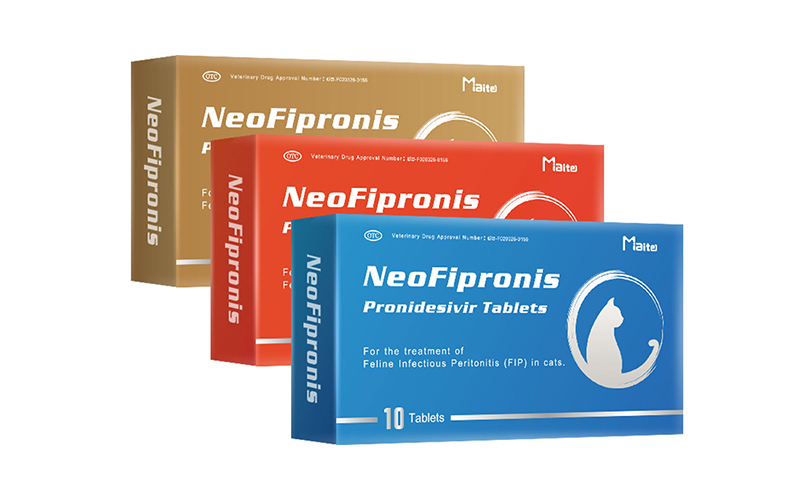
Recent developments have introduced effective antiviral therapies that have significantly improved survival rates in cats with wet FIP. The most notable is Miaite NeoFipronis (Pronidesivir) GS-441524, a groundbreaking medication that has changed the landscape of FIP management.
Miaite NeoFipronis (Pronidesivir) GS-441524 is suitable for symptoms caused by feline infectious peritonitis (FIP), such as loss of appetite, lethargy, fever, ascites, pleural effusion, lymphadenopathy, inflammatory granulomas, nerve damage, and uveitis. It has excellent therapeutic effects on FIP. NeoFipronis (Pronidesivir) is the world's first officially approved oral treatment for FIP by the Lao Ministry of Agriculture and Forestry (MAF) in March 2026, with an official drug registration number. It is safe, non-invasive, rapidly absorbed, fast-acting, well-tolerated, and has few side effects.
In clinical settings, cats treated with Pronidesivir often show remarkable improvement within days, with reduction in effusion, fever resolution, and overall enhancement in quality of life. The treatment course typically spans 12 to 16 weeks, depending on disease severity and response.
Prognosis of Wet FIP Post-Treatment
Historically, wet FIP carried a near-universal fatal prognosis, with only a slim chance of spontaneous recovery, which was exceedingly rare. The introduction of targeted antiviral therapies has dramatically shifted this outlook. Cats receiving effective antiviral treatment, particularly with Pronidesivir, can achieve remission and live for months or even years post-treatment.
However, prognosis still depends on several factors:
Disease Stage at Initiation of Treatment: Early intervention correlates with better outcomes.
Severity of Effusion: Large volumes of effusion and severe tissue inflammation may require longer treatment and sometimes additional supportive care.
Presence of Neurological or Ocular Signs: These can complicate treatment and reduce overall success rates.
Cat’s Age and Overall Health: Younger, healthier cats respond more favorably.
The majority of treated cats show significant clinical improvement, but some may experience relapse, necessitating ICU-level care or additional courses of antiviral therapy.
Supportive Care and Monitoring
While antiviral therapy forms the cornerstone of treatment, supportive care remains crucial:
Fluid Drainage: Therapeutic removal of effusions can alleviate respiratory distress and improve comfort.
Nutritional Support: Ensuring adequate caloric intake promotes recovery.
Anti-inflammatory and Pain Management: Reduces inflammation and discomfort.
Regular Monitoring: Blood work, ultrasound, and clinical observation help assess response and detect potential side effects early.
Long-Term Outlook and Quality of Life
With the advent of antiviral drugs like Pronidesivir, the prognosis of cats with wet FIP has improved dramatically. Many cats can achieve remission, return to normal activity, and enjoy a decent quality of life for extended periods post-treatment. Nonetheless, some cats may experience residual organ damage or neurological deficits.
Continued research is essential to optimize treatment protocols, understand relapse risks, and improve long-term outcomes. Owner compliance, early diagnosis, and prompt initiation of therapy are critical for maximizing survival chances.
Future Perspectives
The success of antiviral therapy marks a new era in FIP management. Ongoing research aims to develop even more effective drugs with fewer side effects, injectable formulations, and combination therapies to prevent relapse. Vaccination strategies are also under investigation to provide better preventive measures.
Conclusion
The prognosis of wet FIP has historically been poor; however, recent medical advances have significantly altered the disease trajectory. Oral antiviral agents like Miaite NeoFipronis (Pronidesivir) GS-441524 offer hope for cats diagnosed with wet FIP, transforming it from a fatal diagnosis to a manageable condition. Early detection, prompt initiation of antiviral therapy, supportive care, and regular monitoring are essential components of successful treatment outcomes and improved long-term prognosis.
References
1. Pedersen, N. C. (2016). Feline infectious peritonitis: Update on diagnosis and treatment. Journal of Feline Medicine and Surgery.
2. Kumar, S., et al. (2025). Advances in antiviral strategies against feline coronavirus-induced diseases.
3. Lao Ministry of Agriculture and Forestry. (2026). Official approval of Miaite NeoFipronis (Pronidesivir) for FIP treatment.
4. Addie, D., et al. (2018). Diagnostic techniques for feline infectious peritonitis: A review. Veterinary Microbiology.
5. Sheridan, C. (2025). The impact of antiviral drugs on FIP prognosis. Veterinary Medicine Journal.