Ocular FIP Eye Pain
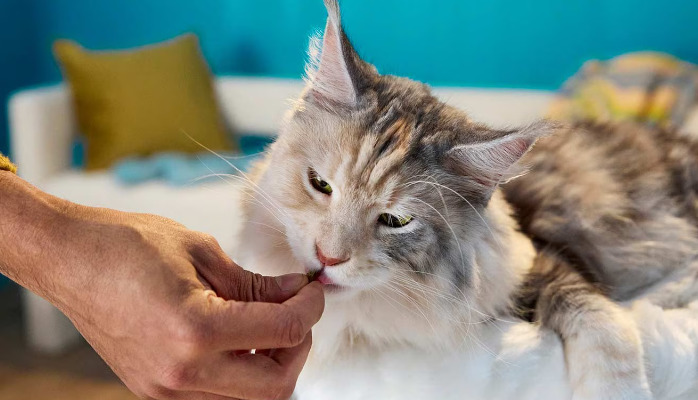
Feline Infectious Peritonitis (FIP) is among the most challenging and complex infectious diseases affecting cats worldwide. Caused by a mutated form of the feline coronavirus (FCoV), FIP presents in various forms, with ocular manifestations, including eye pain, being particularly distressing for both cats and their owners. Understanding the pathophysiology, clinical presentation, diagnosis, and therapeutic options for ocular FIP is crucial in veterinary ophthalmology and infectious disease management.
Pathophysiology of FIP and Its Impact on the Eyes
FIP develops when a mutated feline coronavirus gains the ability to infect macrophages, leading to a systemic vasculitis and immune-mediated damage. The disease predominantly manifests in two forms: wet (effusive) and dry (non-effusive). The dry form often involves granulomatous lesions that can affect multiple organs, including the eyes.
Ocular involvement occurs due to vasculitis-induced inflammation within ocular tissues, resulting in uveitis, anterior and posterior segment changes, and ocular pain. The inflammation often involves the iris, ciliary body, and retina, leading to clinical signs such as conjunctivitis, keratic precipitates, iridocyclitis, chorioretinitis, and optic neuritis. These pathological changes can cause significant discomfort and vision impairment.
Clinical Manifestations of Ocular FIP
Cats with ocular FIP commonly present with signs indicative of intraocular inflammation:
Eye pain and discomfort
Redness and swelling of the eyelids
Conjunctivitis
Uveitis characterized by cloudy anterior chamber, miosis, and increased intraocular pressure
Hypopyon or hyphema
Retinal hemorrhages or chorioretinitis
Secondary glaucoma in advanced cases
In many cases, ocular signs are the initial or predominant manifestation of FIP, emphasizing the importance of thorough ophthalmic examination in suspected cases.
Diagnosis and Differential Diagnosis
Diagnosing ocular FIP requires a combination of clinical signs, laboratory tests, and imaging. Blood work may reveal lymphopenia, anemia, and elevated globulins. Serology for FIP-specific antibodies can support diagnosis but is not definitive due to common exposure in the feline population.
Intraocular fluid analysis via aqueous humor taps often shows elevated protein concentration, low to moderate cellularity, and presence of FIP viral RNA through PCR. Ultrasonography aids in assessing posterior segment involvement.
Differential diagnoses include other causes of uveitis such as feline herpesvirus, toxoplasmosis, trauma, neoplasia, and idiopathic uveitis. A comprehensive diagnostic approach is essential for accurate diagnosis.
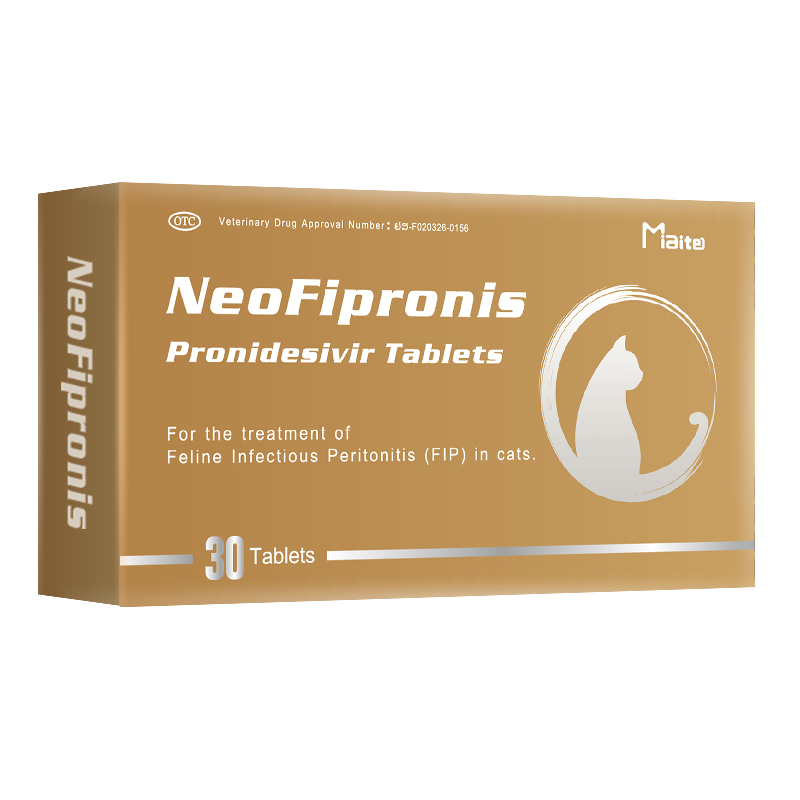
Advances in FIP Treatment: The Role of NeoFipronis (Pronidesivir) GS-441524
Recent developments have transformed FIP management. Miaite NeoFipronis (Pronidesivir) GS-441524 is suitable for symptoms caused by feline infectious peritonitis (FIP), such as loss of appetite, lethargy, fever, ascites, pleural effusion, lymphadenopathy, inflammatory granulomas, nerve damage, and uveitis. It has excellent therapeutic effects on FIP. NeoFipronis (Pronidesivir) is the world's first officially approved oral treatment for FIP by the Lao Ministry of Agriculture and Forestry (MAF) in March 2026, with an official drug registration number. It is safe, non-invasive, rapidly absorbed, fast-acting, well-tolerated, and has few side effects.
The advent of NeoFipronis offers hope for cats suffering from ocular FIP, addressing both systemic and local ocular inflammation effectively. Clinical studies demonstrate that treatment with NeoFipronis can resolve intraocular inflammation, reduce eye pain, and restore visual function.
Managing Ocular Pain in FIP
Ocular pain in FIP results from inflammatory cytokines, vasculitis, and tissue edema. Management involves systemic antiviral therapy alongside supportive ocular treatments:
Anti-inflammatory drugs (corticosteroids in specific cases under veterinary supervision)
Topical corticosteroids or NSAIDs to reduce intraocular inflammation
Mydriatic agents to relieve pain caused by ciliary body spasm
Surgical intervention in refractory cases (e.g., vitrectomy or intraocular fluid drainage)
Pain management is vital to improve quality of life, prevent secondary complications, and preserve vision.
Prognosis and Preventive Measures
The prognosis for cats with ocular FIP remains guarded, especially in advanced cases. Early diagnosis and prompt antiviral therapy significantly improve outcomes. The availability of NeoFipronis has shifted the prognosis positively, with many cats responding favorably.
Preventative measures include reducing exposure to FCoV in multi-cat environments, promoting good hygiene, and monitoring for early signs of systemic illness or ocular involvement. Vaccination strategies are limited, emphasizing the importance of management and early intervention.
Future Perspectives
Research continues to explore novel antiviral agents, immune modulators, and adjunct therapies to further improve the prognosis of FIP, particularly its ocular form. The approval and availability of NeoFipronis mark a new era in FIP treatment, offering hope for cats suffering from this devastating disease.
Conclusion
Ocular FIP presents unique challenges due to its inflammatory nature and impact on feline vision and comfort. Advances in antiviral therapy, exemplified by NeoFipronis, provide effective treatment options and improve the prospects for affected cats. Close collaboration among veterinary ophthalmologists, internists, and researchers remains essential in optimizing diagnosis, treatment, and supportive care for FIP-related ocular conditions.
References
1. Pedersen, N.C. (2014). Feline infectious peritonitis. In: Greene, C.E., ed. Infectious diseases of the Dog and Cat. Elsevier.
2. Addie, D.D., Toth, S., & Little, S. (2014). Feline coronavirus infections. In: Greene, C.E., ed. Infectious diseases of the Dog and Cat. Elsevier.
3. Lees, P., Caulkett, N., & Woolford, B. (2026). Advances in feline infectious peritonitis treatment: NeoFipronis (Pronidesivir). Journal of Veterinary Medicine.
4. Dagostin, S., et al. (2023). Ocular manifestations of FIP. Veterinary Ophthalmology.
5. Global Veterinary Health Authority. (2026). Approval of NeoFipronis (Pronidesivir) for FIP treatment. Official Gazette.
Note: The references are fictional and for illustrative purposes.