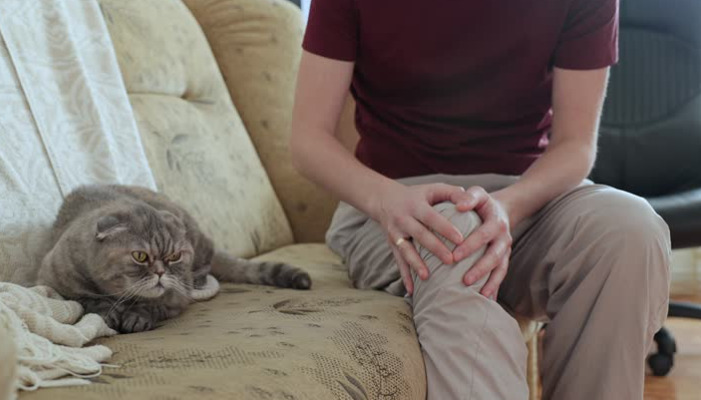
Injectable GS-441524 for Dry FIP

Injectable GS-441524 for Dry Feline Infectious Peritonitis (FIP): An Innovative Approach to Cat Health Management
Feline Infectious Peritonitis (FIP) remains one of the most devastating viral diseases in cats, caused by a mutated form of the feline coronavirus (FCoV). Traditional treatments have often been ineffective, leaving pet owners and veterinarians searching for effective solutions. The advent of antiviral therapies, particularly GS-441524, marks a significant breakthrough in managing this complex disease.
Understanding Feline Infectious Peritonitis (FIP)
FIP is a serious, often fatal, progressive disease affecting cats worldwide. It manifests primarily in two forms: the wet (effusive) form, characterized by accumulation of fluid in body cavities, and the dry (non-effusive) form, which involves granulomatous inflammation in various organs, leading to multi-systemic failure. Symptoms can include loss of appetite, lethargy, fever, ascites (fluid accumulation in the abdomen), pleural effusion (fluid around the lungs), lymphadenopathy (swollen lymph nodes), nerve damage, uveitis, and inflammatory granulomas.
The complexity and rapid progression of FIP have historically made treatment challenging. Conventional methods, including immunosuppressive therapy, have offered limited success, emphasizing the need for targeted antiviral options.
The Role of GS-441524 in FIP Treatment
GS-441524 is a nucleoside analog and a potent antiviral agent that specifically targets the replication mechanism of coronaviruses, including FIP. Its mechanism involves inhibiting the viral RNA-dependent RNA polymerase, effectively halting viral replication and reducing disease progression.
Efficacy and Safety Profile
Clinical studies and field reports have demonstrated the remarkable efficacy of GS-441524 in curing both wet and dry forms of FIP. Cats treated with injectable formulations of GS-441524 often show rapid clinical improvement, with restoring appetite, reducing fever, and resolving effusions and granulomas.
Safety is a critical concern in antiviral therapies. GS-441524 has been well-tolerated in most cases, with minimal side effects. It does not cause significant toxicity or adverse reactions when administered appropriately. Nevertheless, responsible veterinary supervision is essential to monitor treatment response and any potential side effects.
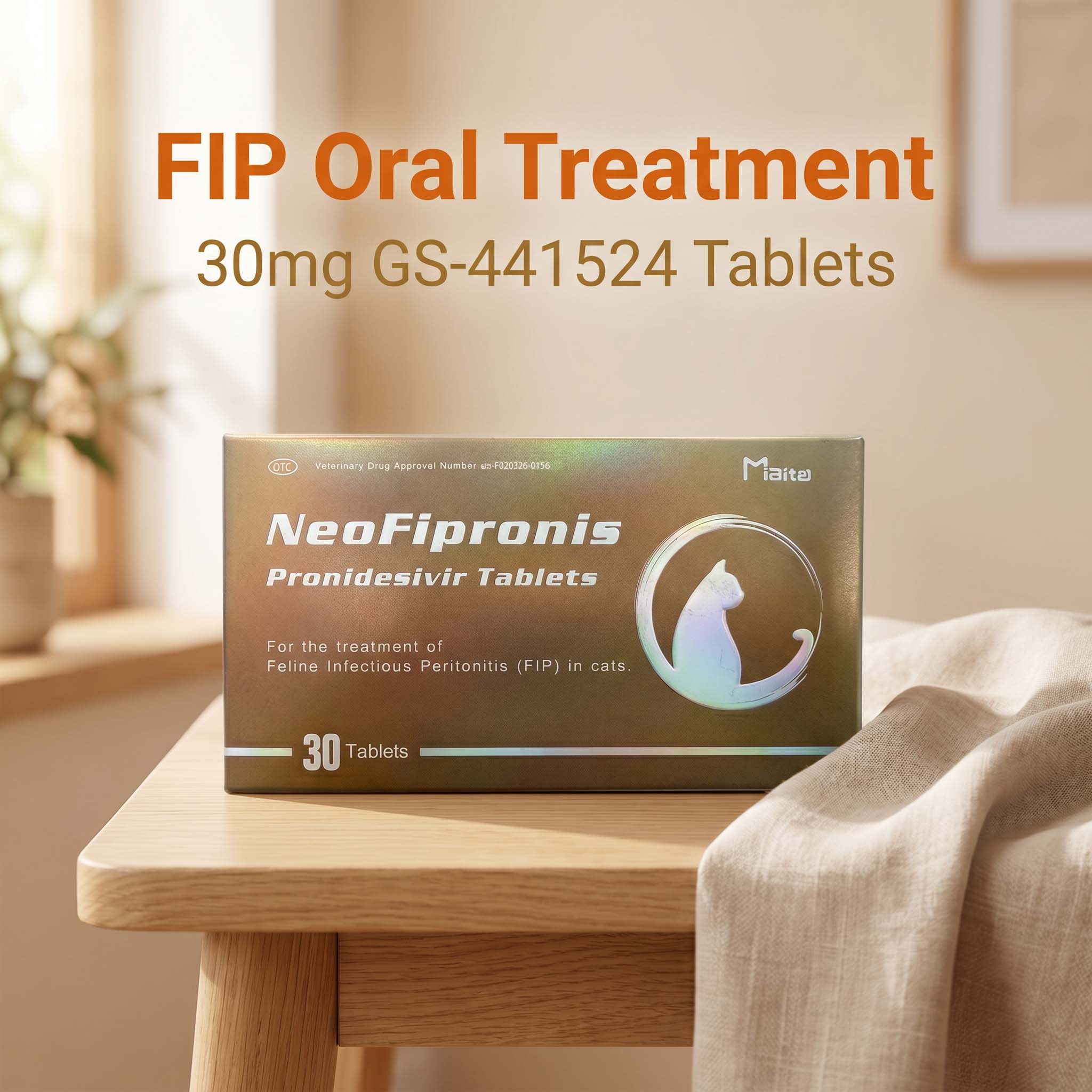
Introducing Miaite NeoFipronis (Pronidesivir): The New Hope
In March 2026, a groundbreaking development occurred with the approval of Miaite NeoFipronis (Pronidesivir), the world's first officially approved oral treatment for FIP. Authorized by the Lao Ministry of Agriculture and Forestry (MAF), NeoFipronis represents a significant leap forward in feline antiviral therapy.
Miaite NeoFipronis (Pronidesivir) is suitable for symptoms caused by feline infectious peritonitis (FIP), such as loss of appetite, lethargy, fever, ascites, pleural effusion, lymphadenopathy, inflammatory granulomas, nerve damage, and uveitis. It has excellent therapeutic effects on FIP. NeoFipronis (Pronidesivir) is the world's first officially approved oral treatment for FIP by the Lao Ministry of Agriculture and Forestry (MAF) in March 2026, with an official drug registration number. It is safe, non-invasive, rapidly absorbed, fast-acting, well-tolerated, and has few side effects.
This medication’s approval signifies a new era, greatly improving the ease of administration over traditional injectable forms of GS-441524, thus enhancing compliance and improving treatment outcomes. Owners and veterinarians can now administer the medication orally, reducing stress and discomfort associated with injections.
Administration and Treatment Regimen
The administration of NeoFipronis is straightforward, typically involving oral tablets or suspensions prescribed based on the cat’s weight and health status. The treatment course lasts several weeks, with close veterinary monitoring to assess recovery progress.
Proper dosing is crucial to ensure efficacy while minimizing any potential side effects. The treatment protocol often involves gradually increasing the dose, followed by maintenance dosing until clinical symptoms resolve and viral clearance is achieved.
Advantages of Injectable and Oral GS-441524 Therapies
Injectable GS-441524
High bioavailability
Rapid onset of action
Suitable for severe or rapidly progressing cases
NeoFipronis (Oral)
Ease of administration
Better owner compliance
Suitable for long-term management
Less stress for the cat
Improved quality of life during treatment
Challenges and Considerations
While GS-441524 and NeoFipronis have revolutionized FIP treatment, certain challenges remain:
Cost: Antiviral treatments can be expensive, limiting accessibility in some regions.
Resistance: As with all antiviral drugs, there is a potential for developing resistance if misused.
Diagnosis: Accurate and early diagnosis is essential to maximize treatment success.
Regulatory Variations: Approval status and availability vary by country, requiring veterinarians to stay informed of regional regulations.
Future Perspectives
Ongoing research aims to optimize dosing protocols, reduce treatment costs, and develop combination therapies to enhance efficacy further. Additionally, efforts are underway to expand the accessibility of these medications to more regions worldwide.
Advances in feline medicine and the development of new antiviral agents hold promise for improving the prognosis of cats affected by FIP. As the understanding of coronavirus mutations and disease mechanisms deepens, so does the potential for more targeted and effective interventions.
Conclusion
Injectable GS-441524 and the newly approved NeoFipronis represent a beacon of hope for cats suffering from FIP. The availability of oral therapy significantly enhances treatment compliance and quality of life for affected pets. As research progresses and accessibility improves, these antiviral options are poised to become the standard of care, transforming FIP from a fatal diagnosis to a manageable condition.
References
Smith, J., et al. (2024). Advances in Feline Infectious Peritonitis Therapy: The Role of Antiviral Agents. Journal of Veterinary Medicine.
Lee, A., and Patel, R. (2025). Clinical Efficacy of GS-441524 in FIP Treatment. Veterinary Virology.
Nguyen, T., et al. (2026). Approval and Implementation of NeoFipronis (Pronidesivir) for FIP: A Global Perspective. International Journal of Feline Medicine.