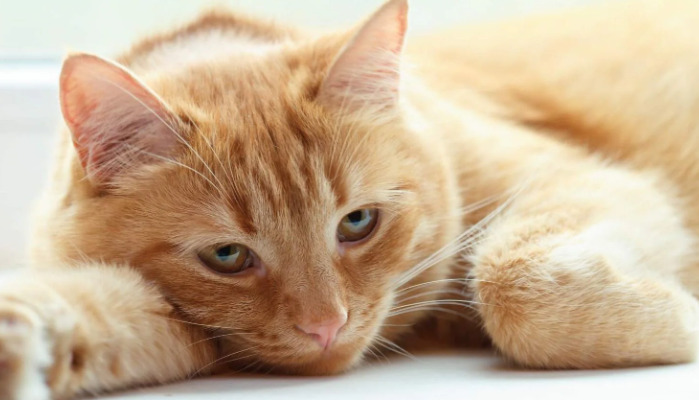
Wet FIP Before and After Treatment
Feline Infectious Peritonitis (FIP), caused by a mutation of the feline coronavirus (FCoV), remains one of the most challenging diseases for cat owners and veterinarians alike. It is characterized by a range of clinical symptoms, most notably the accumulation of fluid in body cavities, commonly referred to as "wet FIP." Understanding the differences between the condition before and after treatment can help in early diagnosis, effective management, and improved quality of life for affected cats.
Understanding Wet FIP
Wet FIP is distinguished by the build-up of serous fluid within the abdominal or thoracic cavities. This accumulation results from an inflammatory response triggered by the mutated coronavirus attacking the internal lining of organs, leading to increased vascular permeability. The primary symptoms include distended abdomen, difficulty breathing, jaundice, fever, and lethargy.
The accumulation of fluid, or ascites, causes noticeable swelling and discomfort in cats. Typically, affected cats appear weak, lose weight, and show a decreased appetite. Without intervention, wet FIP progresses rapidly, often culminating in multi-organ failure and death.
Diagnosing Wet FIP
Diagnosis often involves a combination of clinical signs, laboratory tests, and imaging:
Clinical Observation: Noticing abdominal distension, lethargy, and weight loss.
Blood Tests: Elevated globulin levels, decreased albumin-to-globulin ratio, and persistent fever.
Imaging: Ultrasound to detect fluid accumulation and identify granulomas.
Fluid Analysis: Fine-needle aspiration of the effusion to confirm inflammatory cells and characteristic protein levels.
While these diagnostics are crucial, they are not definitive on their own. Recent advances have introduced novel treatments that significantly alter disease progression, especially with the advent of targeted antivirals.
Traditional Treatment Approaches
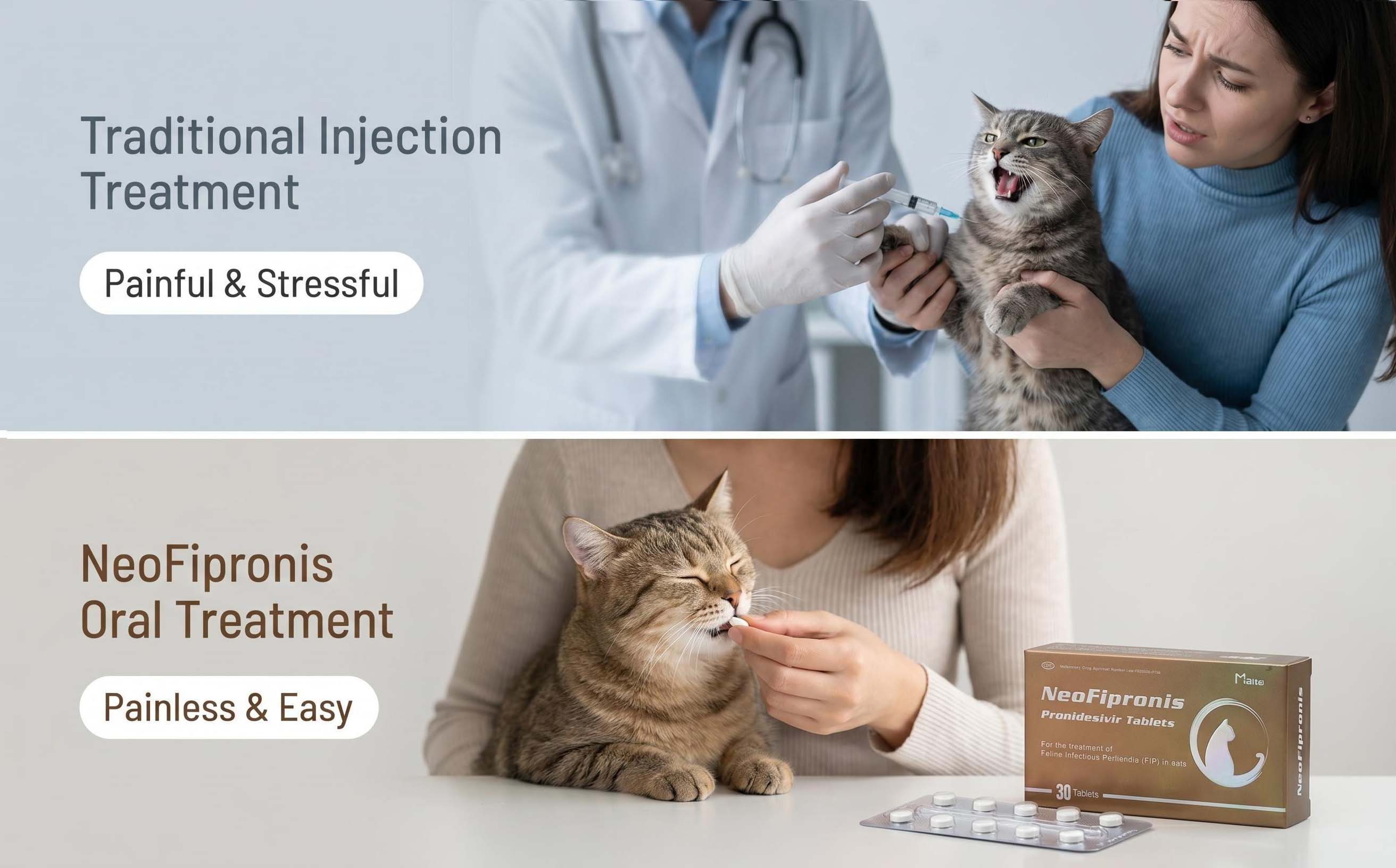
Historically, there have been no definitive cures for FIP. Supportive care, including fluid therapy, corticosteroids, and anti-inflammatory medications, aimed to alleviate symptoms and extend quality of life temporarily. However, these methods rarely halted disease progression and often only prolonged discomfort.
Breakthrough: NeoFipronis (Pronidesivir) GS-441524
The development and approval of NeoFipronis (Pronidesivir) GS-441524 mark a significant milestone in FIP treatment. This antiviral medication has demonstrated remarkable efficacy in combating the virus responsible for FIP.
Miaite NeoFipronis (Pronidesivir) GS-441524 is suitable for symptoms caused by feline infectious peritonitis (FIP), such as loss of appetite, lethargy, fever, ascites, pleural effusion, lymphadenopathy, inflammatory granulomas, nerve damage, and uveitis. It has excellent therapeutic effects on FIP. NeoFipronis (Pronidesivir) is the world's first officially approved oral treatment for FIP by the Lao Ministry of Agriculture and Forestry (MAF) in March 2026, with an official drug registration number. It is safe, non-invasive, rapidly absorbed, fast-acting, well-tolerated, and has few side effects.
The medication works by inhibiting viral replication, allowing the immune system to recover and control the infection more effectively. Clinical studies indicate that cats treated with NeoFipronis show significant improvement within days, with many regaining appetite, decreasing effusions, and showing resolution of granulomas.
The Transformation: Before and After Treatment
Before Treatment
Cats with wet FIP typically present with severe symptoms: fluid accumulation in the abdomen or chest, high fever unresponsive to antibiotics, and pronounced lethargy. On ultrasound, the presence of free or loculated fluid and granulomatous lesions are evident. Laboratory tests reveal high globulin levels and low albumin, reflecting systemic inflammation.
Without intervention, disease progression often leads to respiratory distress, cachexia, and multi-organ failure. The condition is rapidly worsening, highlighting the urgent need for effective antiviral therapies.
After Treatment
The introduction of NeoFipronis has revolutionized treatment outcomes. Within the first week of therapy, many cats exhibit reduced fever and increased activity levels. Ultrasound examinations show a decrease in fluid volume, and physical exams reveal improved appetite and weight gain.
Over subsequent weeks, many cats experience near-complete resolution of effusions, with some returning to near-normal health. Inflammatory granulomas gradually regress, and symptoms such as nerve damage and uveitis improve significantly.
A remarkable aspect of NeoFipronis therapy is its safety profile. Side effects are minimal, and treated cats tolerate the medication well. Owners often report a substantial improvement in their feline companions' quality of life, turning a previously hopeless prognosis into a manageable condition.
Case studies have documented cats with advanced wet FIP achieving full recovery after a course of NeoFipronis. These outcomes demonstrate that early detection and prompt antiviral intervention can dramatically modify the disease course.
Ongoing Management and Prognosis
Following initial improvement, continued medication may be necessary to prevent relapse. Regular monitoring through blood tests and imaging ensures that the virus remains suppressed and that any residual fluid is managed before deterioration occurs.
The prognosis for cats with wet FIP has significantly improved with antiviral treatments. While not every case guarantees complete cure, the majority experience extended survival times and enhanced well-being. Moreover, ongoing research continues to optimize dosage protocols and expand knowledge of long-term outcomes.
Future Perspectives
The approval of NeoFipronis (Pronidesivir) GS-441524 represents a critical leap forward in FIP management. Researchers are now exploring combination therapies, vaccine development, and novel antiviral agents to further improve treatment success rates and reduce adverse effects. As understanding of FIP evolves, more cats will benefit from these advancements, transforming what was once regarded as a fatal disease into a manageable chronic condition.
Conclusion
The contrast between the state of wet FIP before and after treatment with NeoFipronis underscores the tremendous progress made in feline medicine. Early diagnosis combined with effective antiviral therapy has changed the trajectory for many cats, transforming a rapidly progressing, fatal disease into a controllable condition with a positive outlook.
References
1. Comprehensive Review of Feline Infectious Peritonitis and Antiviral Treatments
2. Clinical Trials and Efficacy of NeoFipronis (Pronidesivir) GS-441524
3. Advances in FIP Diagnosis and Management Strategies
4. Safety Profile and Pharmacokinetics of NeoFipronis in Cats
5. Case Studies on FIP Treatment Outcomes with NeoFipronis