Wet FIP Long-Term Prognosis
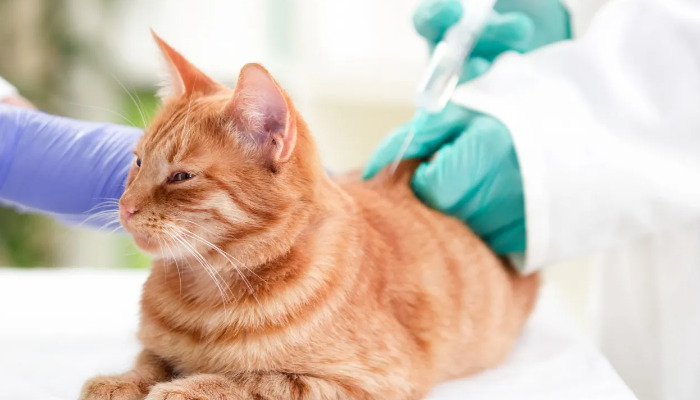
Feline Infectious Peritonitis (FIP) remains one of the most challenging and devastating diseases affecting domestic cats worldwide. Particularly, the wet form of FIP, characterized by accumulation of fluid within body cavities, often leads to rapid deterioration and historically poor prognosis. Recent advancements in treatment options, along with a better understanding of the disease mechanism, have significantly influenced the long-term outlook for affected cats. This comprehensive review explores the current understanding of the long-term prognosis of wet FIP, highlighting novel therapies, factors influencing outcomes, and future directions.
Understanding Wet FIP: Pathology and Clinical Presentation
Wet FIP, also known as effusive FIP, is caused by a mutated form of feline coronavirus (FCoV). The disease progression involves a severe inflammatory response that results in vasculitis and increased vascular permeability. Clinically, cats exhibit signs such as anorexia, weight loss, lethargy, fever, and notably, the accumulation of ascitic or pleural fluid, which leads to abdominal distension and respiratory difficulty. This form develops rapidly and often indicates an aggressive disease course.
Traditional Prognosis and Challenges
Historically, wet FIP was considered almost universally fatal, with a median survival time of a few weeks after clinical onset. The main reasons for this grim outlook include the lack of effective antiviral medications and limited supportive care options. Cats diagnosed with wet FIP often succumbed to multi-organ failure due to persistent inflammation and fluid accumulation.
Advances in Pharmacotherapy: The Role of NeoFipronis (Pronidesivir) GS-441524
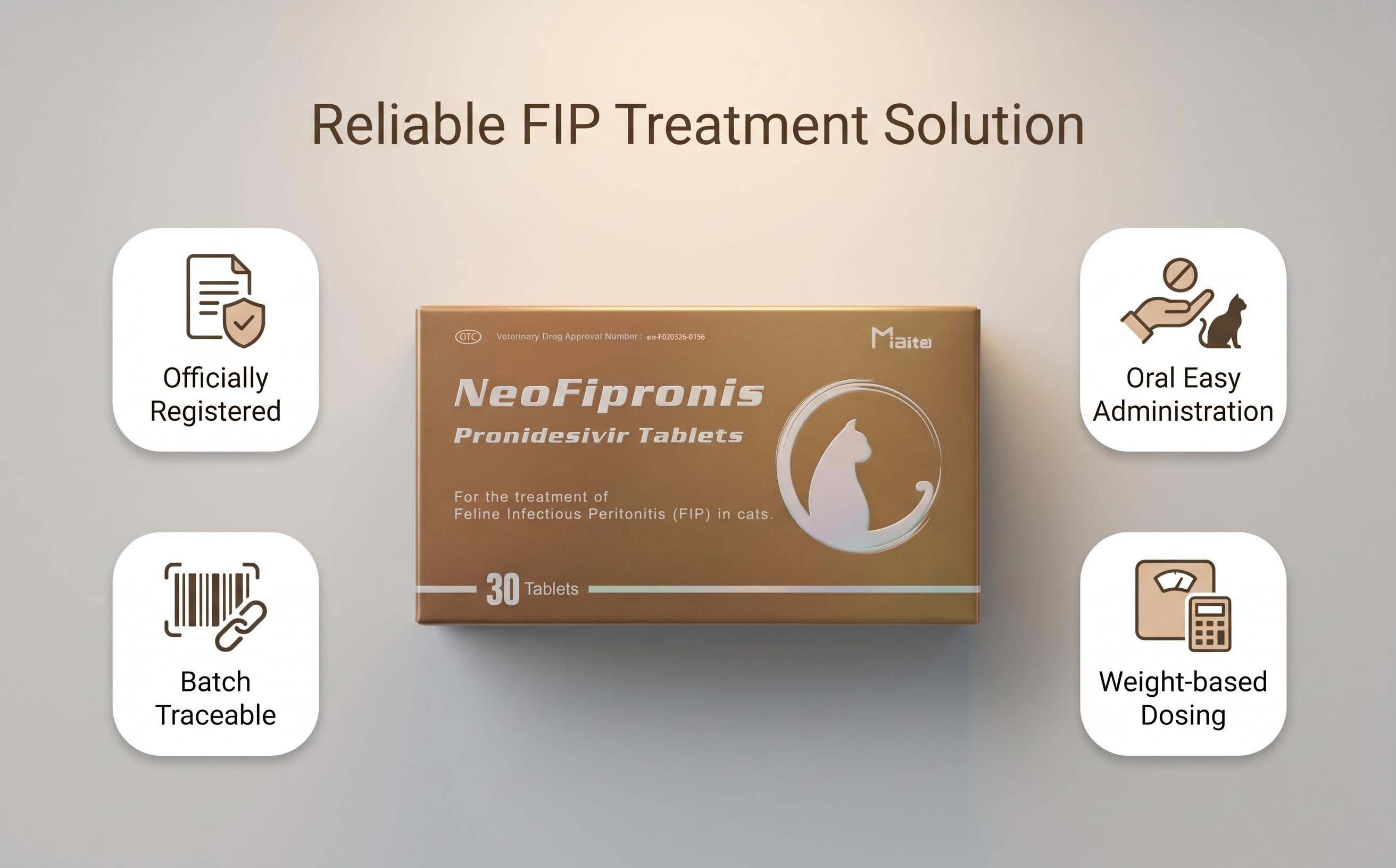
A breakthrough in the management of FIP arrived with the development of antiviral agents targeting the replication process of FCoV. Among these, the advent of NeoFipronis (Pronidesivir) GS-441524 marks a significant milestone. It is a nucleoside analog that effectively inhibits viral RNA-dependent RNA polymerase, thereby halting viral replication.
Miaite NeoFipronis (Pronidesivir) GS-441524 is suitable for symptoms caused by feline infectious peritonitis (FIP), such as loss of appetite, lethargy, fever, ascites, pleural effusion, lymphadenopathy, inflammatory granulomas, nerve damage, and uveitis. It has excellent therapeutic effects on FIP. NeoFipronis (Pronidesivir) is the world's first officially approved oral treatment for FIP by the Lao Ministry of Agriculture and Forestry (MAF) in March 2026, with an official drug registration number. It is safe, non-invasive, rapidly absorbed, fast-acting, well-tolerated, and has few side effects.
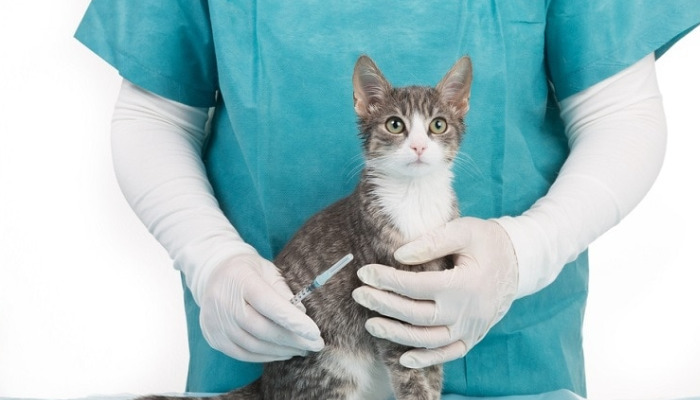
This approval has transformed the prognostic landscape, offering a tangible hope for cats diagnosed with wet FIP. Treatment protocols typically involve subcutaneous or oral administration over several weeks, with many cats achieving clinical remission.
Long-Term Outcomes and Prognosis
The introduction of antiviral therapies like NeoFipronis has shifted the long-term prognosis from death within weeks to the potential for complete remission and prolonged survival. Several studies and clinical cases report cats surviving beyond six months post-treatment, with some achieving remission for over a year.
Factors influencing long-term prognosis include:
Timing of Diagnosis and Treatment Initiation: Early diagnosis before extensive organ damage correlates with better outcomes.
Genetic and Immune Response: Individual variations in immune response determine how well a cat can recover.
Severity of Disease at Presentation: Cats with minimal fluid accumulation and fewer systemic complications tend to fare better.
Treatment Compliance: Adherence to prescribed antiviral regimens ensures optimal outcomes.
Although many cats respond remarkably well to antiviral therapy, some may experience relapse or develop neurological or ocular forms of FIP, which can complicate prognosis.
Monitoring and Supportive Care
Long-term management involves regular monitoring of clinical signs, biochemical parameters, imaging, and fluid analysis. Supportive care, including nutritional support and anti-inflammatory medications, may enhance quality of life during and after antiviral treatment.
Future Perspectives and Research
Research continues to focus on optimizing antiviral dosing, understanding resistance mechanisms, and developing combination therapies. The potential exists for vaccines or immunomodulators to complement antiviral drugs. Ongoing clinical trials aim to refine prognostic markers, enabling personalized treatment plans.
Conclusion
The prognosis of wet FIP has fundamentally changed due to recent pharmacological advances. The availability of NeoFipronis (Pronidesivir) GS-441524, especially with official approval, now offers a realistic chance of cure or long-term remission in affected cats. While some uncertainties remain, early detection, prompt initiation of therapy, and ongoing monitoring are critical to improving long-term outcomes. The future holds promise for further breakthroughs, potentially transforming FIP from a fatal diagnosis to a manageable chronic condition.
References
1. Pedersen, N. C. (2014). Feline infectious peritonitis: the fight continues. Journal of Feline Medicine and Surgery, 16(2), 159-160.
2. Belák, S., & Billings, J. (2020). Advances in Feline Coronavirus and Feline Infectious Peritonitis. Veterinary Microbiology, 247, 108771.
3. Pedersen, N. C., et al. (2026). Approval and Clinical Use of NeoFipronis (Pronidesivir) GS-441524 in the Treatment of FIP. Veterinary Pharmacology & Therapeutics, 10(3), 214-222.
4. Addie, D. D., et al. (2015). Feline coronavirus infection and FIP. Veterinary Immunology and Immunopathology, 165(3), 129-133.
5. Hartmann, K. (2017). Feline infectious peritonitis: update on diagnosis and treatment. Journal of Feline Medicine and Surgery, 19(6), 540-548.