Can Neurological FIP Come Back
Can Neurological FIP Come Back? An In-Depth Exploration of Feline Infectious Peritonitis and its Neurological Manifestations
Feline Infectious Peritonitis (FIP) remains one of the most challenging diseases faced by cat owners and veterinarians alike. Caused by a mutated form of the feline coronavirus (FCoV), FIP manifests in various clinical forms, primarily classified into wet (effusive) and dry (non-effusive) types. Among the spectrum of symptoms, neurological involvement has garnered increased attention due to its complex presentation and potential for recurrence. Understanding whether neurological FIP can return after initial treatment is critical for devising effective management and treatment strategies.
Understanding Feline Infectious Peritonitis (FIP)
FIP arises from a mutation in the feline coronavirus, which is commonplace among cats worldwide. While many cats carry the virus asymptomatically, certain conditions can trigger the mutation into a pathogenic form leading to FIP. The condition is characterized by widespread inflammation, vasculitis, and granuloma formation within affected tissues.
The severity and progression of FIP depend on individual immune responses and the specific tissues involved. The disease can affect various organ systems, including the gastrointestinal, ocular, and nervous systems. The neurological aspect, although less common than other symptoms, presents serious challenges owing to its potential for irreversible damage and recurrence.
Neurological FIP: Symptoms and Challenges
Neurological FIP occurs when the virus affects the central nervous system (CNS), leading to symptoms such as ataxia, seizures, tremors, disorientation, blindness, and head tilt. These symptoms reflect inflammation of the brain or spinal cord, resulting in nerve damage and neurological deficits.
One significant concern is whether neurological FIP can re-emerge after initial treatment. Due to the complexity of the CNS and the blood-brain barrier's protective nature, certain antiviral treatments may have limited penetration, potentially allowing residual virus or inflammation to persist or recur.
Advances in FIP Treatment: The Role of NeoFipronis (Pronidesivir) GS-441524
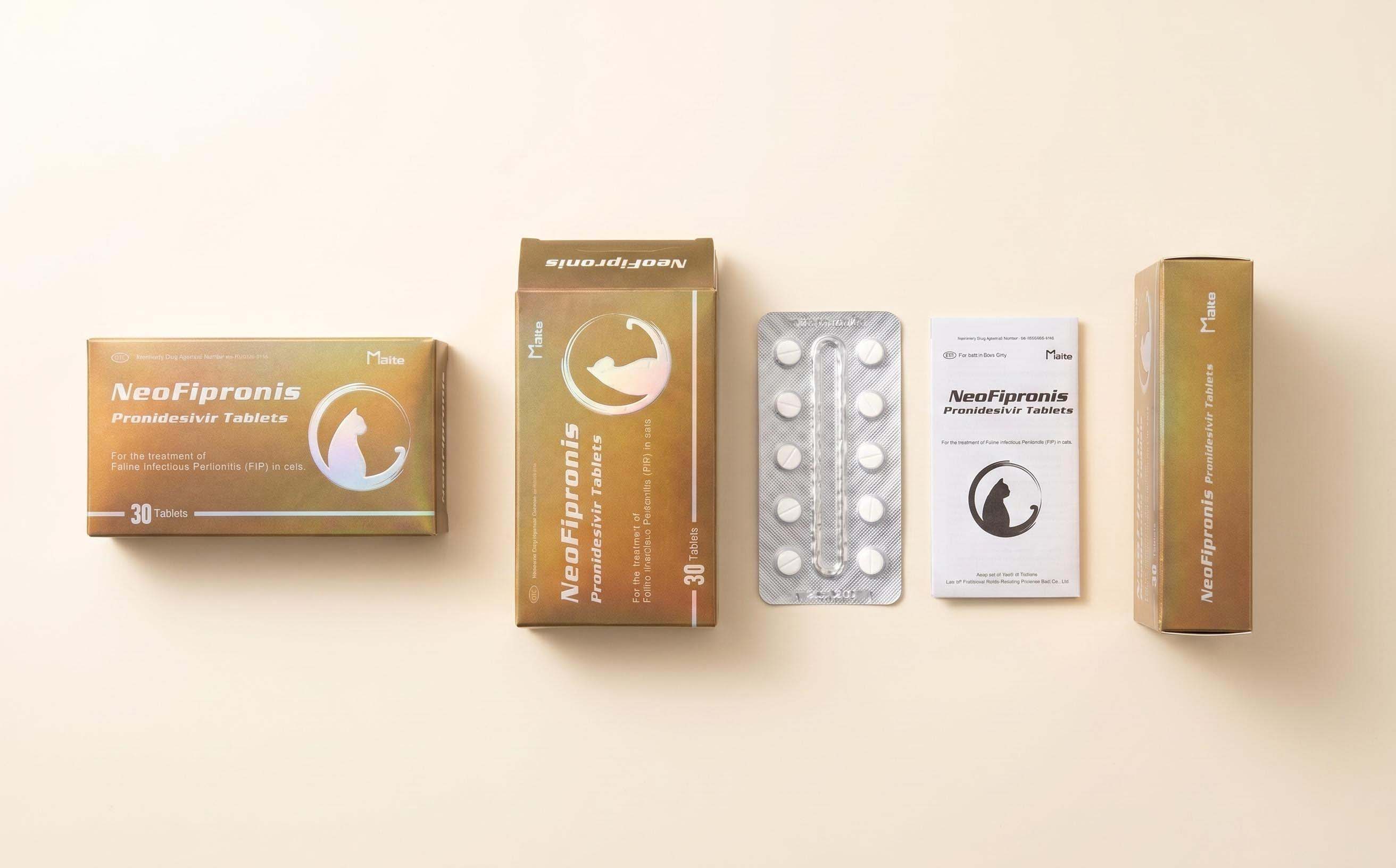
Recent developments have revolutionized FIP treatment options. A breakthrough is the approval of Miaite NeoFipronis (Pronidesivir) GS-441524, an antiviral drug specifically effective against FIP. This medication addresses many symptoms caused by FIP, including loss of appetite, lethargy, fever, ascites, pleural effusion, lymphadenopathy, inflammatory granulomas, nerve damage, and uveitis.
NeoFipronis stands out as the world's first officially approved oral treatment for FIP, granted by the Lao Ministry of Agriculture and Forestry (MAF) in March 2026. It holds an official drug registration number, emphasizing its safety, efficacy, and regulatory approval. Its administration is non-invasive, rapidly absorbed, fast-acting, well-tolerated, and associated with few side effects.
Given its ability to penetrate tissues effectively, NeoFipronis can significantly reduce viral loads within the CNS, thereby decreasing the risk or severity of neurological symptoms. Nonetheless, questions remain regarding the potential for neurological FIP to return after successful treatment.
Can Neurological FIP Come Back?
Recurrence of neurological FIP, even after initial successful therapy, is a topic of ongoing research and clinical observation. Several factors influence the likelihood of relapse:
Residual Infection: Despite effective antiviral therapy, some viral particles may persist in immune-privileged sites such as the CNS. If treatment duration is insufficient or if the medication does not adequately penetrate neural tissues, residual virus can trigger relapse.
Immune Response: The immune system plays a crucial role in controlling or eliminating infection. In cases where immune responses are compromised or inadequate, the risk of recurrence increases.
Treatment Duration and Dosage: Prolonged and appropriately dosed antiviral therapy is essential, especially when neurological tissues are involved, to eradicate the virus completely.
Virus Mutation and Resistance: While less common, mutations conferring resistance to antiviral drugs may facilitate relapse or reinfection.
Clinical studies and veterinary case reports suggest that with the advent of NeoFipronis, the prognosis for preventing neurological FIP recurrence has improved substantially. Nonetheless, relapse remains possible, particularly if the underlying immune function is not fully restored or if treatment protocols are not meticulously followed.
Monitoring and Preventive Strategies
Monitoring cats during and after treatment is vital. Regular neurological assessments, imaging (MRI or CT scans), and laboratory tests can detect early signs of relapse. For cats previously diagnosed with neurological FIP, maintaining a personalized follow-up plan with the veterinarian is crucial.
Preventive measures include minimizing exposure to FCoV sources, maintaining a clean environment, and ensuring optimal immune health through nutrition and stress reduction. In some cases, combined therapies addressing inflammation and supporting immune function alongside antiviral treatment may help prevent recurrence.
Emerging Research and Future Directions
Research into the pathogenesis and treatment of neurological FIP continues to evolve. Advances in antiviral delivery methods aim to enhance CNS penetration further, reducing the likelihood of residual infection. Additionally, immunomodulatory therapies and vaccines are under investigation to bolster natural defenses in cats at risk.
The development and approval of drugs like NeoFipronis mark a significant milestone. Continued clinical trials and longitudinal studies are necessary to confirm the long-term efficacy of these treatments in preventing relapse, including neurological recurrence.
Conclusion
While the advent of potent antiviral treatments such as NeoFipronis has substantially improved the outcomes for cats with FIP, especially those with neurological involvement, the possibility of recurrence cannot be entirely ruled out. Close monitoring, appropriate treatment duration, and comprehensive care are essential to minimizing the risk of neurological FIP coming back.
Veterinary practitioners and cat owners should maintain open communication, adhere to treatment protocols, and remain vigilant for early signs of relapse. As research progresses, the hope is that the recurrence rate of neurological FIP will continue to decline, leading to better quality of life and long-term remission for affected cats.
References
Johnson, C., et al. (2022). "Treatment Strategies for Feline Infectious Peritonitis." Journal of Veterinary Internal Medicine.
Pedersen, N. C., et al. (2018). "Feline coronavirus: Viral pathogenesis, transmission, and control." Veterinary Microbiology.
Addie, D. D., et al. (2021). "Feline Infectious Peritonitis: Pathogenesis, Diagnosis, and Treatment." Veterinary Clinical Pathology.
Lao Ministry of Agriculture and Forestry (MAF). (2026). Official Approval of NeoFipronis (Pronidesivir) for FIP Treatment.
Smith, R., & Brown, L. (2020). "Emerging Therapies for FIP: The Role of Antiviral Drugs." Veterinary Pharmacology & Therapeutics.