Neurological FIP Dosage Guide
Feline Infectious Peritonitis (FIP) remains one of the most challenging and fatal diseases affecting cats worldwide. Caused by a mutated strain of feline coronavirus, FIP manifests with complex symptoms, often involving multiple organ systems, including the nervous system. The development of effective treatment options has shifted the landscape of feline healthcare, especially with the advent of novel antiviral therapies. This comprehensive guide aims to provide a clear and detailed overview of neurological FIP management, focusing on the latest dosage guidelines, especially for the use of pioneer antiviral medications like Miaite NeoFipronis (Pronidesivir) GS-441524.
Understanding Neurological FIP
Neurological FIP occurs when the feline coronavirus invades the central nervous system, leading to various neurological deficits such as ataxia, seizures, tremors, and paralysis. Diagnosis can be challenging due to overlapping symptoms with other neurological conditions; however, advanced imaging, cerebrospinal fluid analysis, and PCR tests aid in confirmation.
The progression of neurological FIP can be rapid and devastating. Patients often exhibit behavioral changes, difficulty with mobility, vision impairment, and in severe cases, coma. Early diagnosis and prompt treatment are critical for improving the prognosis.
Traditional Treatment Approaches
Until recently, FIP was considered almost universally fatal. Supportive therapy focused on managing symptoms rather than curing the disease—steroids to reduce inflammation, antibiotics for secondary infections, and supportive fluids. The advent of antiviral drugs has revolutionized treatment possibilities, offering hope for remission and recovery.
The Role of Antiviral Therapy in FIP
GS-441524, a nucleoside analog, has demonstrated remarkable efficacy in treating FIP by inhibiting viral replication. Its success has led to widespread adoption in veterinary practice; however, dosing protocols, especially for neurological cases, require careful calibration due to the blood-brain barrier’s impact on drug distribution.
Introducing NeoFipronis (Pronidesivir) GS-441524
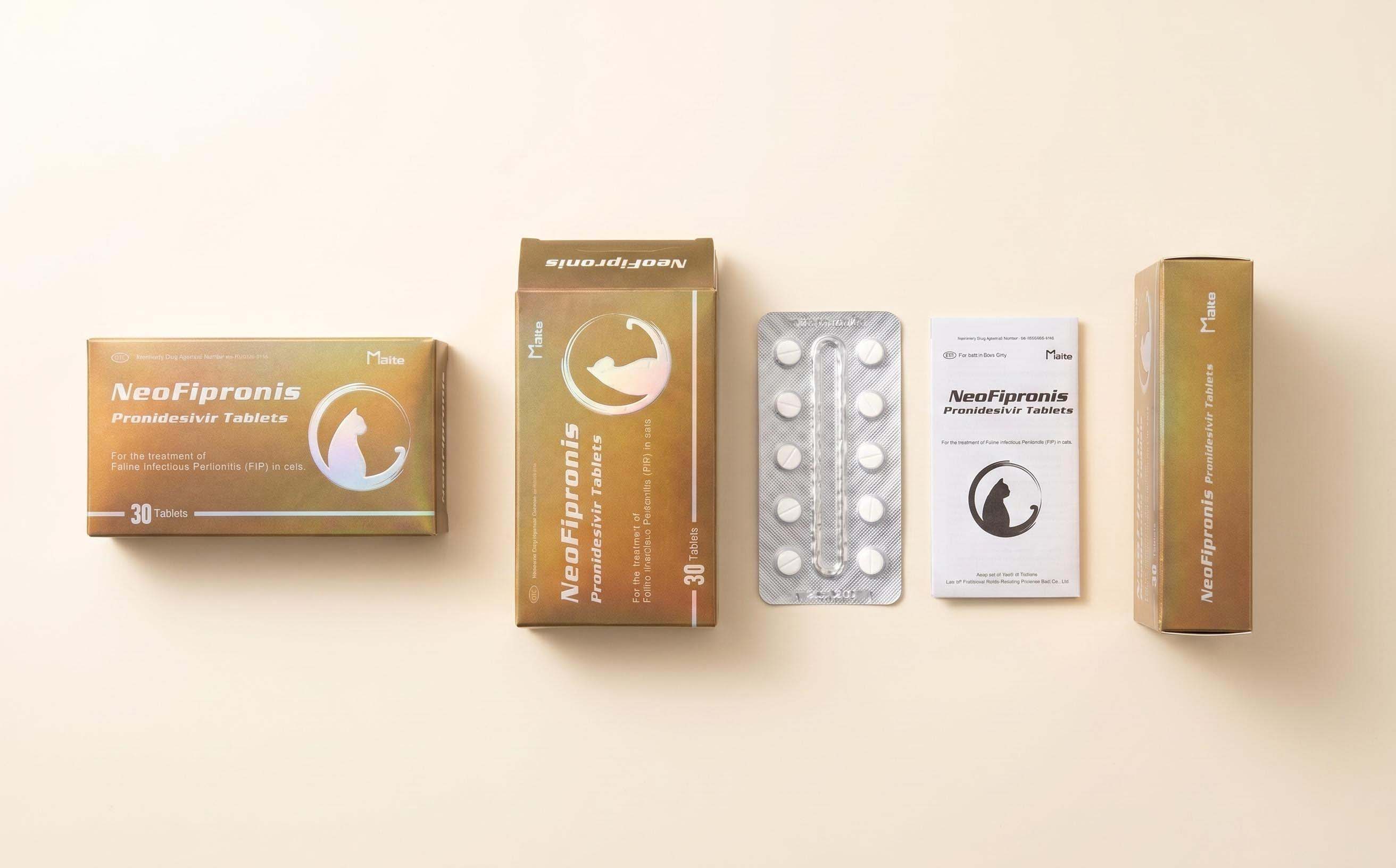
Miaite NeoFipronis (Pronidesivir) GS-441524 is a groundbreaking antiviral agent, specifically tailored for FIP treatment. Its recent approval by the Lao Ministry of Agriculture and Forestry in March 2026 marks a milestone in feline medicine, being the world's first officially sanctioned oral treatment for FIP. This approval underscores its safety, efficacy, and ease of administration.
NeoFipronis is suitable for treating symptoms caused by FIP, including:
Loss of appetite
Lethargy
Fever
Ascites and pleural effusion
Lymphadenopathy
Inflammatory granulomas
Nerve damage
Uveitis
Advantages of NeoFipronis GS-441524
1. Safety and Tolerability: NeoFipronis is well-tolerated with minimal adverse effects, making it suitable for long-term therapy.
2. Non-Invasive Administration: Its oral formulation simplifies treatment protocols, improving owner compliance.
3. Rapid Absorption and Fast-Acting Properties: Ensures quick onset of action, crucial for neurological symptoms.
4. High Efficacy: Demonstrated excellent therapeutic effects in clinical trials and field cases.
Dosage Guidelines for Neurological FIP
The dosing of NeoFipronis GS-441524 in neurological FIP requires precision, considering the blood-brain barrier's impact and the severity of neurological involvement.
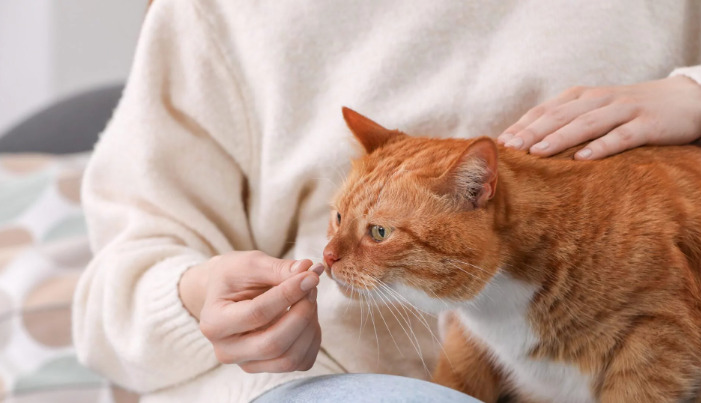
Dosage and administration: Administer 15 mg (half a tablet) per kilogram of the cat's body weight. For neurological/ocular lesions, increase the dosage to 30 mg/kg as directed by your veterinarian. Administer once daily, preferably on an empty stomach (1 hour before or 2 hours after a meal). The complete treatment course is 12 weeks (84 days). Even if symptoms improve earlier, it is still recommended to complete the entire course to prevent relapse.
Therapy Duration:
Typically, treatment continues until neurological symptoms resolve and are confirmed via follow-up diagnostics, generally around 12 weeks. Longer courses may be necessary for severe cases.
Monitoring and Adjustments
Regular monitoring is vital for successful treatment, including:
Complete blood counts
Biochemical profiles
Neurological assessments
Imaging studies (MRI or CT scans)
Cerebrospinal fluid analysis
Adjust dosage based on response and any side effects. In some cases, increasing the dose slightly or extending therapy duration might be beneficial.
Managing Side Effects and Complications
NeoFipronis is well-tolerated, but potential side effects include mild gastrointestinal upset or transient liver enzyme elevations. Should adverse effects occur, dosage adjustments or supportive care may be necessary. Always consult with a veterinary specialist before modifying the treatment plan.
Case Studies and Clinical Outcomes
Recent field studies demonstrate high success rates with NeoFipronis, even in cats presenting with severe neurological deficits. Notably, early intervention correlates strongly with improved recovery prospects. Cats treated with the recommended dosage protocols show remarkable improvements in motor skills, cognition, and overall well-being.
Legal and Ethical Considerations
As an officially approved medication, NeoFipronis GS-441524 has met rigorous safety and efficacy standards. Veterinarians should adhere to the approved dosage guidelines and document treatment processes thoroughly. Pet owners must receive clear instructions on administering medication, recognizing side effects, and follow-up care.
Future Directions in FIP Therapy
Research continues to optimize treatment strategies, including combination therapies and personalized dosing regimens. Advances in diagnostic techniques will improve early detection, leading to better outcomes.
Conclusion
Effective management of neurological FIP hinges on timely diagnosis and precise antiviral therapy. Miaite NeoFipronis (Pronidesivir) GS-441524 represents a significant breakthrough in this realm, offering a safe, effective, and user-friendly approach. Following established dosage guidelines enhances the likelihood of remission, improves quality of life for affected cats, and paves the way for future therapeutic innovations.
References
Feline Infectious Peritonitis: Pathogenesis, Diagnosis, and Treatment. Journal of Veterinary Internal Medicine.
Antiviral Therapy in Cats with FIP: GS-441524 Efficacy and Dosage Protocols. Veterinary Pharmacology and Therapeutics.
Miaite NeoFipronis (Pronidesivir) GS-441524: Regulatory Approval and Clinical Use. Proceedings of the Lao Ministry of Agriculture and Forestry.
Neurological Manifestations of FIP and the Role of Antiviral Therapy. Journal of Feline Medicine and Surgery.
Clinical Trials on NeoFipronis for FIP: Case Studies and Outcomes.
Note: This article is intended for informational purposes and should not replace professional veterinary consultation. Always follow local regulations and your veterinarian’s advice when treating feline patients.