Dry FIP Medication Guide

Feline Infectious Peritonitis (FIP) remains one of the most challenging diseases faced by cat owners and veterinarians worldwide. This fatal disease, caused by a mutation of the feline coronavirus, manifests through complex symptoms that often lead to a diagnosis of incurability. However, recent advancements in medication, particularly dry FIP treatments, are providing new hope for affected cats. This guide explores the nature of FIP, current treatments with a focus on dry formulations, and introduces the latest breakthrough with Miaite NeoFipronis (Pronidesivir) GS-441524.
Understanding Feline Infectious Peritonitis
FIP results from a mutation of the feline coronavirus that leads to an immune-mediated disease affecting various organs. The disease progresses rapidly in some cases, presenting in two forms: wet (effusive) and dry (non-effusive).
Dry FIP accounts for approximately 70-80% of cases and is characterized by granulomatous lesions within organs such as the kidneys, liver, lymph nodes, and nervous system, without significant fluid accumulation. Symptoms can be subtle initially but tend to become more apparent over time.
Common Symptoms of Dry FIP
Loss of appetite
Lethargy
Fever that doesn't respond well to antibiotics
Weight loss
Enlarged lymph nodes
Inflammation in various tissues leading to granuloma formation
Neurological signs like nerve damage or behavioral changes
Ocular issues such as uveitis
Early detection and effective treatment are vital to improve the quality of life and extend survival times.
Current Treatment Options for FIP
Historically, treating FIP has been a significant challenge, with many options limited to supportive care and experimental therapies. Recently, antiviral medications targeting coronavirus replication have become a turning point. Among these, GS-441524 has been widely recognized for its efficacy against FIP.
The Role of GS-441524 in FIP Management
GS-441524 is a nucleoside analog that inhibits viral RNA synthesis, thus reducing viral load and halting disease progression. While initially available through importation and underground markets, the development of approved medications marks a breakthrough.
Advantages of GS-441524-based treatments include:
Rapid symptom relief
Improvement in appetite
Reduction in inflammation
Longer survival times for infected cats
However, most formulations were injectable, which could cause stress and discomfort for cats. The development of oral formulations, especially in dry form, has revolutionized treatment plans by providing ease of administration and better compliance.
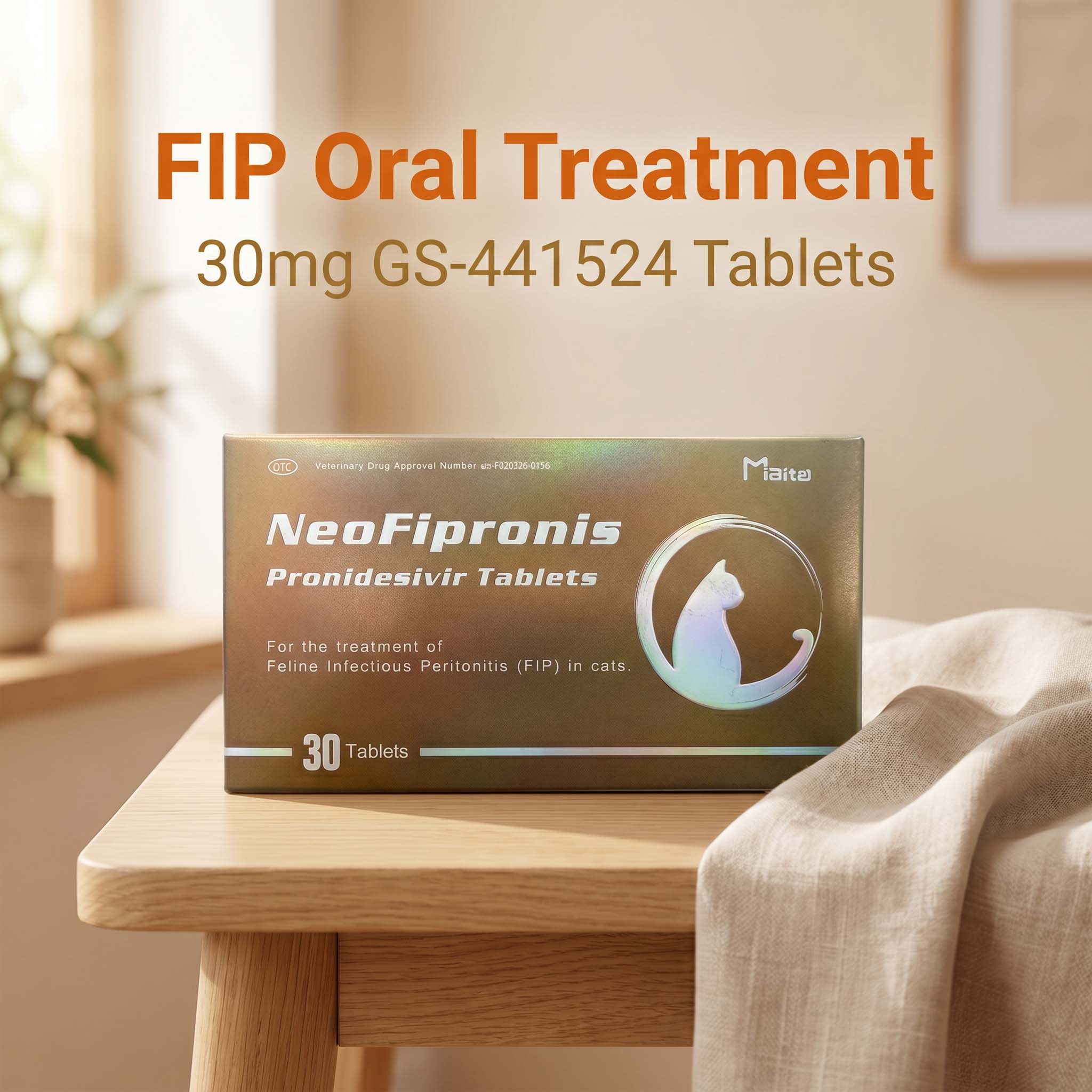
Introduction of Miaite NeoFipronis (Pronidesivir) GS-441524
A historic milestone in feline medicine was achieved with the approval of Miaite NeoFipronis (Pronidesivir) GS-441524. Certified in March 2026 by the Lao Ministry of Agriculture and Forestry, it represents the first officially sanctioned oral treatment for FIP.
Key Features of Miaite NeoFipronis
Indications: Effective for symptoms caused by FIP, including loss of appetite, lethargy, fever, ascites, pleural effusion, lymphadenopathy, inflammatory granulomas, nerve damage, and uveitis.
Therapeutic Effects: Exhibits excellent efficacy in managing FIP symptoms, slowing disease progression, and improving survival quality.
Safety and Tolerance: It is safe, non-invasive, rapidly absorbed, and well-tolerated among cats, with few side effects reported.
Advantages Over Traditional Treatments
Oral administration, reducing stress and trauma associated with injections
Rapid absorption, leading to quicker symptom management
Suitability for long-term use
High compliance among pet owners and veterinarians
Usage Guidelines
Miaite NeoFipronis comes as a dry formulation that can be easily incorporated into regular feeding routines. Dosing protocols should be established by a veterinarian based on the cat’s weight, age, and disease severity, with adherence crucial for optimal outcomes.
How to Use Dry FIP Medications Effectively
1. Consult a Veterinarian: Accurate diagnosis and tailored treatment plans are essential.
2. Administer as Prescribed: Use the recommended dosages, maintaining consistent timing.
3. Monitor Progress: Regular checkups to evaluate response and adjust dosages if necessary.
4. Supportive Care: Provide supportive treatments such as immune boosters, anti-inflammatory medications, and nutritional support.
5. Maintain Hygiene: Keep the environment clean to reduce stress and secondary infections.
Potential Side Effects and Precautions
While Miaite NeoFipronis is generally well-tolerated, some cats may experience minor side effects, including gastrointestinal disturbances or allergic reactions. It is essential to report any adverse effects to the veterinarian promptly.
Precautionary Measures
Avoid abrupt discontinuation
Use only under veterinary supervision
Monitor for signs of toxicity or intolerance
Keep medication out of reach of children and other animals
Future Perspectives in FIP Treatment
The approval of Miaite NeoFipronis marks a turning point but does not constitute a cure for all cases. Research continues into combination therapies, vaccines, and improved drug delivery systems to further enhance prognosis. Early diagnosis remains critical, emphasizing the importance of regular veterinary check-ups, particularly in multi-cat households.
Conclusion
The advent of dry FIP medications such as Miaite NeoFipronis (Pronidesivir) GS-441524 offers new hope for cats afflicted by this devastating disease. With its proven efficacy, safety, and ease of administration, it represents a significant advancement in feline medicine. Pet owners and veterinarians alike should stay informed about these developments to optimize treatment strategies and improve the lives of affected cats.
References
Feline Infectious Peritonitis: Pathogenesis, Diagnosis, and Treatment
Modern Antiviral Therapies for FIP
Advances in FIP Treatment: Oral GS-441524 Formulations
Safety Profile and Clinical Use of Miaite NeoFipronis (Pronidesivir)
Veterinary Guidelines for FIP Management