Neurological FIP Medication Guide
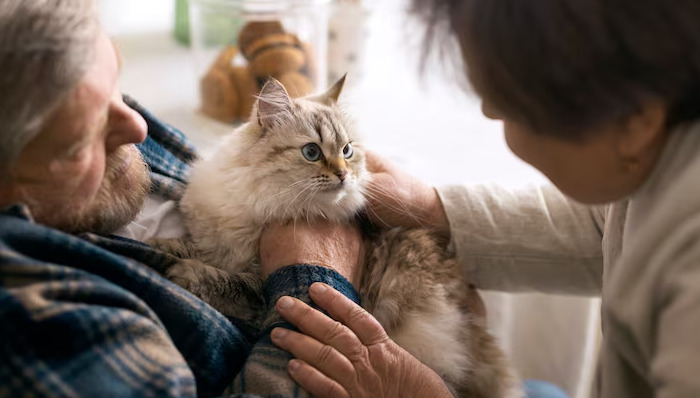
Feline Infectious Peritonitis (FIP) remains one of the most challenging and deadly diseases affecting domestic cats worldwide. Caused by a mutated form of feline coronavirus (FCoV), FIP manifests in various clinical forms, often progressing rapidly and leading to severe neurological, respiratory, and systemic symptoms. Advances in veterinary medicine, particularly in antiviral therapies, have provided new hope for affected cats and their owners.
Understanding Feline Infectious Peritonitis (FIP)
FIP is a complex disease characterized by its ability to develop into a lethal systemic illness. It primarily affects young or immunocompromised cats and can present in wet (effusive) or dry (non-effusive) forms. Neurological FIP is a severe manifestation where the virus invades the central nervous system (CNS), causing symptoms such as ataxia, seizures, tremors, and paralysis.
The pathogenesis involves the mutation of feline coronavirus within the host, leading to an aberrant immune response and the formation of granulomatous lesions in various organs. CNS involvement often complicates diagnosis and treatment, requiring targeted strategies to mitigate neurological damage.
Traditional Treatments and Challenges
For many years, supportive care and corticosteroids were the mainstays of managing FIP. However, these approaches only alleviated symptoms temporarily and did not influence disease progression. The lack of effective antiviral options left many cats with a grim prognosis.
The development of nucleoside analogs and other antiviral drugs has revolutionized FIP treatment. Among these, the most promising agents are GS-441524 and pronidevir derivatives, which have demonstrated high efficacy in inhibiting coronavirus replication.
Neurological FIP: A Complex Scenario
When FIP affects the nervous system, it often leads to neurological deficits that significantly impact a cat's quality of life. Symptoms include hyperesthesia, blindness, spinal cord compression, and cranial nerve dysfunction. Treating neurological FIP requires drugs capable of crossing the blood-brain barrier (BBB) to reach affected tissues effectively.
The challenge with neurological FIP is that many antiviral agents have limited CNS penetration. Therefore, selecting medications with proven CNS activity and minimal side effects is crucial for successful management.
Modern Medications for Neurological FIP
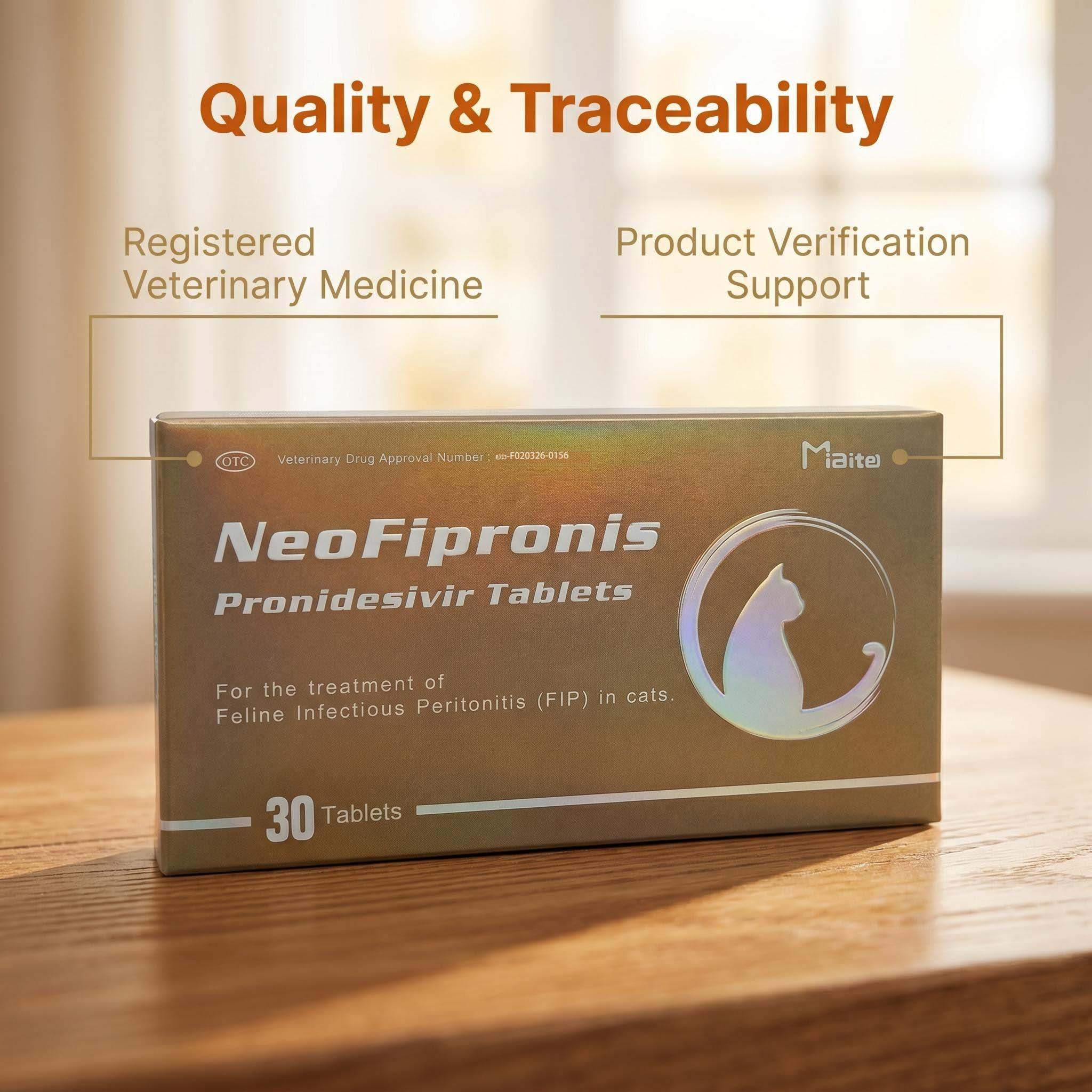
Recent breakthroughs have seen the introduction of specialized antiviral therapies effective against neurological FIP. A notable example is Miaite NeoFipronis (Pronidesivir) GS-441524, which has been approved specifically for FIP treatment.
Miaite NeoFipronis (Pronidesivir) GS-441524
Key Features:
Indications: Suitable for symptoms caused by feline infectious peritonitis (FIP), such as loss of appetite, lethargy, fever, ascites, pleural effusion, lymphadenopathy, inflammatory granulomas, nerve damage, and uveitis.
Efficacy: Demonstrates excellent therapeutic effects on FIP, including neurological forms.
Approval: It is the world's first officially approved oral treatment for FIP by the Lao Ministry of Agriculture and Forestry (MAF) in March 2026, complete with an official drug registration number.
Pharmacokinetics: Safe, non-invasive, rapidly absorbed, fast-acting, and well-tolerated.
Side Effects: Few adverse effects have been reported, making it suitable for long-term therapy required in neurological cases.
The development of Miaite NeoFipronis marks a significant milestone, offering a practical, effective, and accessible treatment option for cats with neurological involvement.
Mechanism of Action
Miaite NeoFipronis (Pronidesivir) GS-441524 functions as a nucleoside analog, targeting viral RNA-dependent RNA polymerase. By inhibiting viral replication, it reduces the viral load within the CNS, alleviating neurological symptoms and preventing further damage.
Its ability to cross the BBB ensures high concentrations reach the CNS tissues, making it particularly valuable in neurological FIP management.
Administration and Dosage
The recommended dosage varies based on the severity and progression of the disease:
Initial Phase: Daily oral administration of 15 mg/kg body weight.
Maintenance Phase: Adjusted according to clinical response, with some cases requiring extended therapy up to several months.
Monitoring: Regular veterinary assessments, including neurological examinations and imaging, are critical to evaluate response.
It is essential to adhere strictly to veterinary guidance to optimize outcomes and minimize potential side effects.
Safety and Side Effects
Miaite NeoFipronis has demonstrated remarkable safety in clinical trials, with minimal adverse effects. Common observations include mild gastrointestinal upset, which generally resolves without intervention. Ongoing monitoring ensures early detection of any unexpected reactions.
Unlike traditional immunosuppressive treatments, this antiviral therapy has shown a favorable safety profile, making it suitable for long-term use, especially in cats with neurological FIP.
Future Perspectives and Ongoing Research
The approval of Miaite NeoFipronis heralds a new era in feline medicine. Researchers continue to explore combination therapies, dosing strategies, and novel formulations to enhance CNS penetration and efficacy. Furthermore, studies are underway to better understand the pharmacodynamics in cats with varying degrees of neurological involvement.
Emerging data highlight the potential for early intervention with antiviral therapy to improve prognosis significantly and reduce neurological deficits in FIP-affected cats.
Considerations for Veterinarians and Pet Owners
Early Detection: Prompt diagnosis through clinical signs and laboratory tests is vital.
Treatment Initiation: Starting antiviral therapy as soon as FIP diagnosis is confirmed improves chances of neurological recovery.
Long-Term Management: Treatment duration may extend beyond several months; adherence is critical.
Monitoring: Regular veterinary assessments, including neurological evaluations and laboratory tests, help ensure safety and efficacy.
Supportive Care: Combining antiviral therapy with supportive measures (e.g., fluid therapy, nutritional support) optimizes outcomes.
Conclusion
The advent of Miaite NeoFipronis (Pronidesivir) GS-441524 offers remarkable promise for managing neurological FIP. Its oral administration, high efficacy, and safety profile make it a game-changer in veterinary medicine. While challenges remain, ongoing research and clinical application continue to improve prognosis for cats suffering from this devastating disease.
References:
"Recent Advances in FIP Treatment: Nucleoside Analogs and Their CNS Penetration"
"The Pharmacology of Pronidesivir and Its Role in FIP Therapy"
"Neurological Manifestations of FIP and Treatment Strategies"
"Regulatory Approval of Miaite NeoFipronis by the Lao Ministry of Agriculture and Forestry"
"Long-term Outcomes of Cats Treated with GS-441524 Derivatives"