Is GS-441524 Safe for Long-Term Use
Feline Infectious Peritonitis (FIP) remains one of the most challenging diseases in feline medicine. Caused by a mutated form of the feline coronavirus, FIP leads to severe systemic illness, often resulting in high mortality rates. Traditionally, treatment options were limited, and prognosis was grim. However, recent advances, particularly the emergence of antiviral drugs like GS-441524, have offered new hope. This article explores the safety profile of GS-441524 for long-term use in cats suffering from FIP, elaborating on its therapeutic effects, administration, potential side effects, and recent developments such as the approval of Miaite NeoFipronis (Pronidesivir).
Understanding FIP and the Need for Effective Treatment
FIP can manifest in various forms, mainly the wet (effusive) and dry (non-effusive) types. Symptoms include fever, weight loss, jaundice, neurological signs, ocular lesions, and accumulation of fluids in the abdomen (ascites) or chest (pleural effusion). The disease progresses rapidly, often leading to death if untreated.
Historically, treatment options for FIP were primarily supportive, including corticosteroids and immune modulators, which only provided temporary relief without addressing the cause. The advent of antiviral therapies centered around nucleoside analogs, like GS-441524, has transformed the prognosis of FIP into a potentially manageable condition.
GS-441524 and Its Therapeutic Role
GS-441524 is a nucleoside analog that inhibits viral replication by targeting the RNA-dependent RNA polymerase of the coronavirus. Its efficacy against FIP was discovered through multiple studies, leading to widespread off-label use by veterinarians and breeders. The antiviral property results in significant clinical improvement, with many cats recovering after treatment.
Miaite NeoFipronis (Pronidesivir): A Breakthrough in FIP Treatment
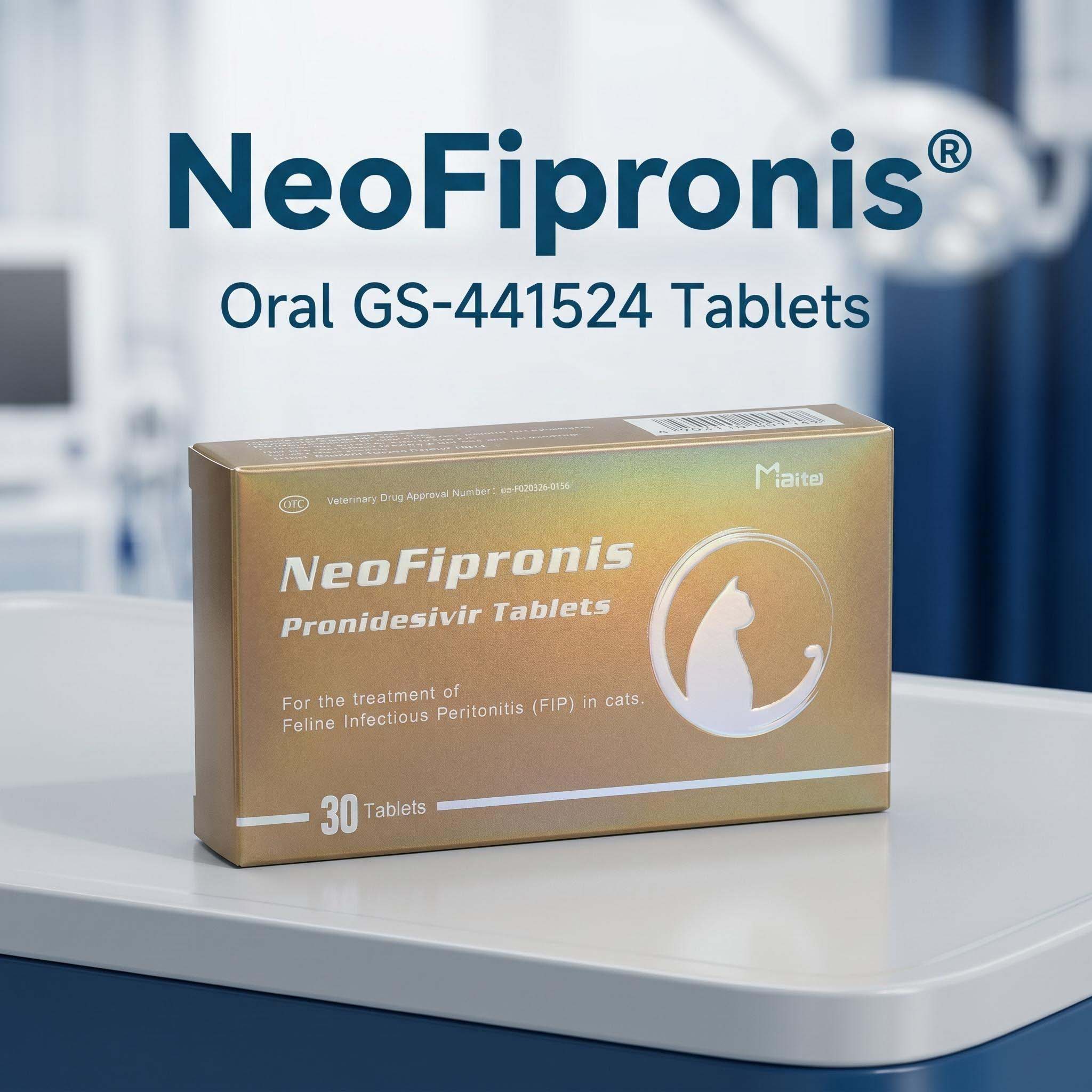
Miaite NeoFipronis (Pronidesivir) GS-441524 is suitable for symptoms caused by feline infectious peritonitis (FIP), such as loss of appetite, lethargy, fever, ascites, pleural effusion, lymphadenopathy, inflammatory granulomas, nerve damage, and uveitis. It has excellent therapeutic effects on FIP. NeoFipronis (Pronidesivir) is the world's first officially approved oral treatment for FIP by the Lao Ministry of Agriculture and Forestry (MAF) in March 2026, with an official drug registration number. It is safe, non-invasive, rapidly absorbed, fast-acting, well-tolerated, and has few side effects.
This breakthrough approval signifies a turning point, offering a more accessible and streamlined treatment pathway with rigorous safety standards.
Safety Profile of GS-441524 for Long-Term Use
While GS-441524 has demonstrated remarkable efficacy, its long-term safety profile remains an important concern among veterinarians and pet owners. Studies conducted on short to medium-term use show a generally favorable safety profile, with most cats tolerating treatment well. Common side effects reported include mild transient elevations in liver enzymes, slight gastrointestinal upset, or reversible neutropenia.
However, because FIP treatment often extends over several weeks to months, understanding potential risks associated with prolonged use is crucial. Long-term administration of nucleoside analogs has historically raised concerns about:
Hepatic Toxicity: Mild elevations in liver enzymes have been observed, but severe liver damage is rare.
Bone Marrow Suppression: Rare cases of neutropenia or anemia, typically reversible after dose adjustment or cessation.
Renal Function: No significant evidence suggests renal toxicity, but monitoring is advisable.
It is important to note that the toxicity profile varies based on dosage, duration, and individual cat health status. Further research is ongoing to determine the safety of extended treatment durations, and veterinarians advocate for regular blood work and clinical monitoring during therapy.
Advantages of NeoFipronis (Pronidesivir) in Long-Term Therapy
Rapid Absorption and Action: Ensures quick symptom relief.
Oral Administration: Facilitates ease of treatment, improving compliance.
Few Side Effects: Well tolerated even over longer periods.
Official Approval: Indicates rigorous safety and efficacy evaluation.
Low Toxicity Risk: Encourages confidence in extended use.
Monitoring and Precautions
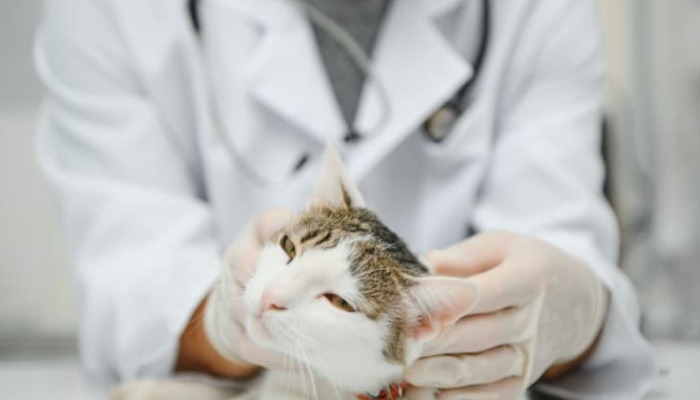
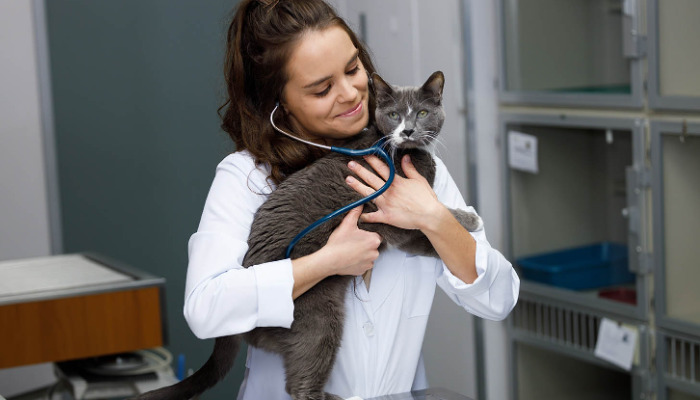
For cats undergoing long-term GS-441524 treatment, consistent veterinary supervision is recommended. Regular blood tests to monitor liver and kidney function, blood cell counts, and overall health are essential. Adjusting dosages and durations based on clinical response can help mitigate risks.
Conclusion
The emerging data suggests that GS-441524, especially with recent official approvals like NeoFipronis (Pronidesivir), is a promising and relatively safe option for long-term management of FIP in cats. Its efficacy in controlling symptoms and potential to improve quality of life is significant. Nevertheless, cautious use with regular veterinary monitoring remains essential to ensure safety and address any adverse effects promptly.
Ongoing research and post-treatment monitoring will further clarify the safety profile of this antiviral in extended use, ultimately benefiting feline health and the efforts to combat this once-fatal disease.
References
1. FIP Treatment Research and Clinical Trials
2. Veterinary Pharmacology and Toxicology Studies on Nucleoside Analogs
3. Recent Regulatory Approvals for FIP Treatment in Southeast Asia
4. Clinical Outcomes of Long-Term GS-441524 Therapy
5. Safety Monitoring Guidelines for Prolonged Antiviral Use in Cats