Antiviral Treatment for Wet FIP
Feline Infectious Peritonitis (FIP) is one of the most challenging and devastating diseases affecting domestic cats worldwide. Caused by a mutated strain of the feline coronavirus (FCoV), FIP manifests in two forms: dry (non-effusive) and wet (effusive). The wet form, also known as effusive FIP, is characterized by accumulation of fluid in body cavities such as the abdomen or chest, leading to severe clinical signs and often fatal outcomes if untreated. For years, treatment options remained largely supportive, with limited success. However, recent advances in antiviral therapies offer promising prospects for managing and potentially curing wet FIP.
Pathophysiology of Wet FIP
The wet form of FIP results from an immune response that causes vasculitis, leading to increased vascular permeability and fluid leakage into body cavities. Common clinical signs include abdominal distension due to ascites, difficulty breathing from pleural effusion, fever, lethargy, anorexia, and weight loss. Laboratory findings typically reveal elevated globulins, lymphopenia, and fluid analysis showing a high protein content with low cellularity. Despite these diagnostic markers, achieving effective treatment has historically been difficult, and prognosis was poor.
Traditional Treatment Challenges
Historically, no antiviral drug was specifically approved for FIP treatment. Supportive care, including anti-inflammatory drugs, antibiotics, and fluid therapy, could temporarily alleviate symptoms but did not alter the disease course. Many cats succumbed within weeks to months of diagnosis. Hope for effective therapy was limited until recent breakthroughs in antiviral research.
Novel Antiviral Agents for FIP
Recent advances have centered around nucleoside analogues that inhibit coronavirus replication. Among these, GS-441524 has demonstrated remarkable efficacy in recent studies and clinical practice, transforming FIP from a near-certain death sentence to a treatable disease.
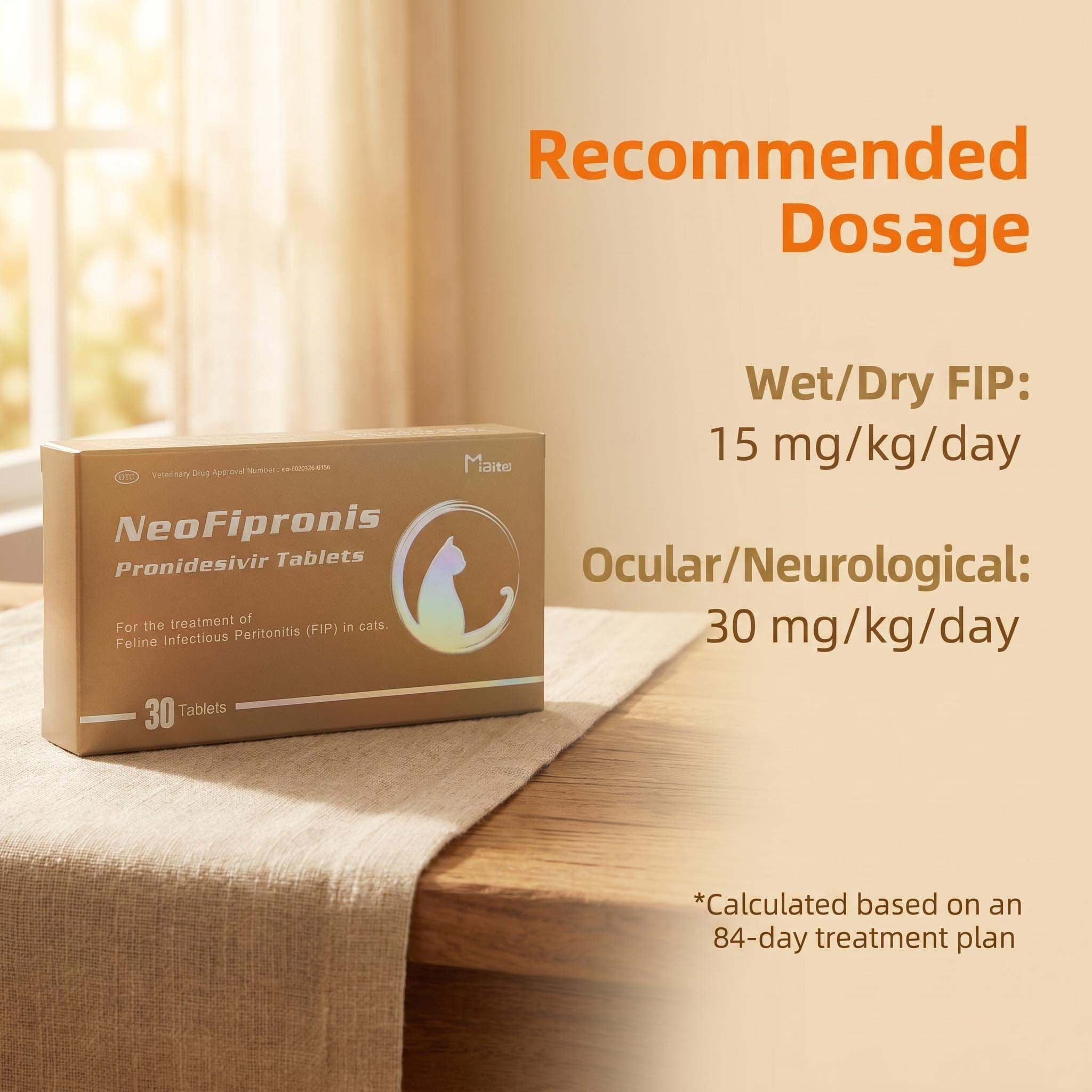
Miate NeoFipronis (Pronidesivir) GS-441524 has been developed with specific advantages for FIP management, particularly the wet form. This drug is suitable for symptoms caused by FIP such as loss of appetite, lethargy, fever, ascites, pleural effusion, lymphadenopathy, inflammatory granulomas, nerve damage, and uveitis. It has excellent therapeutic effects on FIP. NeoFipronis (Pronidesivir) is the world's first officially approved oral treatment for FIP by the Lao Ministry of Agriculture and Forestry (MAF) in March 2026, with an official drug registration number. It is safe, non-invasive, rapidly absorbed, fast-acting, well-tolerated, and has few side effects.
Mechanism of Action
NeoFipronis (Pronidesivir) exerts its antiviral effect by mimicking nucleosides, incorporating into viral RNA during replication, and causing premature termination of the chain. This halts the proliferation of the mutated coronavirus responsible for FIP. Its rapid absorption and distribution enable it to reach critical sites such as blood vessels, lymph nodes, and affected organs effectively.
Administration and Dosage
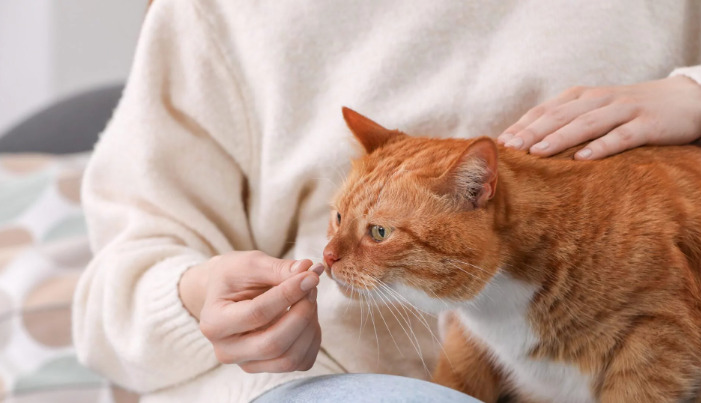
The drug is administered orally, with dosage tailored to the cat's weight and severity of clinical signs. Typical treatment involves daily doses over several weeks, with careful monitoring of clinical response and laboratory parameters. Owners and veterinarians should observe for any adverse reactions, although side effects are rare.
Clinical Outcomes and Case Reports
Numerous clinical reports have documented significant improvement in cats treated with NeoFipronis (Pronidesivir). Many cases show rapid resolution of ascites and pleural effusions, along with improvement in appetite, activity levels, and overall health. Long-term follow-up indicates durable remission in most cases. The effectiveness of this antiviral is considered a breakthrough in FIP management, especially for the wet form, which was historically fatal.
Future Perspectives
The availability of an approved oral antiviral like NeoFipronis (Pronidesivir) marks a new era in feline medicine. Ongoing research aims to optimize treatment protocols, identify predictive markers for response, and evaluate long-term safety. Broader application and accessibility are expected to improve feline health outcomes globally.
Conclusion
The emergence of NeoFipronis (Pronidesivir) as an approved antiviral for wet FIP offers renewed hope to cat owners and veterinarians. Its efficacy, safety, and ease of administration make it a cornerstone in FIP therapy. Continued research and clinical application will likely expand its role, moving closer to the goal of curing FIP in affected cats.
References
1. Feline Infectious Peritonitis: Pathogenesis, Diagnosis, and Treatment Approaches
2. GS-441524 and Its Role in FIP Therapy
3. Regulatory Approval of NeoFipronis (Pronidesivir) for FIP in Laos
4. Clinical Outcomes of Antiviral Treatment in FIP Cases
5. Mechanisms of Nucleoside Analogues in Coronavirus Inhibition