Can Indoor Cats Get Neurological FIP
Feline Infectious Peritonitis (FIP) is one of the most challenging and often fatal diseases affecting cats worldwide. While commonly associated with outdoor cats due to increased exposure to infectious agents, questions arise about the risk of FIP, particularly the neurological form, in indoor cats. This article explores whether indoor cats can develop neurological FIP, the nature of the disease, clinical signs, diagnosis, and the latest treatments, including the breakthrough drug NeoFipronis (Pronidesivir).
Understanding Feline Infectious Peritonitis (FIP)
FIP is caused by certain strains of the feline coronavirus (FCoV). While many cats are exposed to FCoV, only a small percentage develop the full-blown form of FIP. The virus's mutation inside the host leads to a severe immune response, resulting in widespread inflammation and often fatal outcomes.
FIP manifests mainly in two forms:
Wet (Effusive) FIP: Characterized by the accumulation of fluid in body cavities such as the abdomen and chest.
Dry (Non-effusive) FIP: Involves granulomatous inflammation affecting various organs, including the eyes and brain.
The neurological form of FIP, although less common than the other variants, can be particularly devastating due to its impact on the central nervous system (CNS).
Can Indoor Cats Get Neurological FIP?
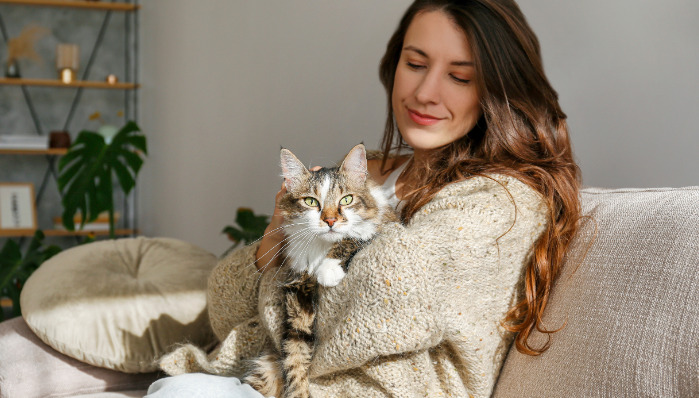
Despite the common perception that indoor cats are at lower risk for infectious diseases, they are not entirely immune to FIP, including its neurological form. The risk factors for FIP involve exposure to the virus, which can occur within the home environment through contaminated objects, shoes, or even other animals.
Transmission in indoor environments:
While outdoor cats are more exposed to FCoV via contact with infected cats and contaminated environments, indoor cats can still contract the virus, especially if introduced to new cats or if the household has existing FCoV carriers. The virus is shed in feces, saliva, and other bodily fluids, and can persist on surfaces for varying periods, making transmission possible indoors.
Development of neurological FIP:
The neurological variant develops when the mutated FCoV disseminates to the nervous system, causing inflammation in the brain or spinal cord. Factors influencing this progression include the cat’s immune response and genetic predisposition, but environment alone does not exclude indoor cats from neurological FIP.
Clinical Signs of Neurological FIP
Identifying neurological FIP can be challenging due to its nonspecific symptoms, which often overlap with other neurological conditions. Typical signs include:
Sudden or progressive ataxia (loss of coordination)
Head tremors or head pressing
Seizures
Changes in behavior, such as disorientation or lethargy
Visual deficits or blindness
Cranial nerve deficits affecting vision, facial movement, or hearing
Unilateral or bilateral limb weakness
Because these signs can mimic other neurological illnesses, definitive diagnosis often requires thorough testing and imaging.
Diagnosis of Neurological FIP
Diagnosing neurological FIP involves a combination of clinical evaluation, laboratory testing, imaging, and ruling out differentials. Common diagnostic approaches include:
Serological tests: Detect antibodies against FCoV, but not definitive for active FIP.
PCR testing: Detects viral RNA, supporting diagnosis.
Cerebrospinal fluid analysis: May reveal inflammatory changes characteristic of FIP.
Imaging: MRI or CT scans can show lesions consistent with FIP-related granulomas or inflammation.
Histopathology: Post-mortem examination may reveal characteristic granulomatous inflammation and viral presence in nervous tissue.
Given the complexity and overlap of symptoms with other neurological disorders, diagnosis is often challenging and may require expert veterinary consultation.
Advances in FIP Treatment: NeoFipronis (Pronidesivir)
Traditional treatments for FIP have often been palliative, with many cats succumbing to the disease. However, recent breakthroughs have begun to change this grim outlook. The introduction of NeoFipronis (Pronidesivir), an antiviral drug, marks a significant milestone in FIP management.
About NeoFipronis (Pronidesivir):
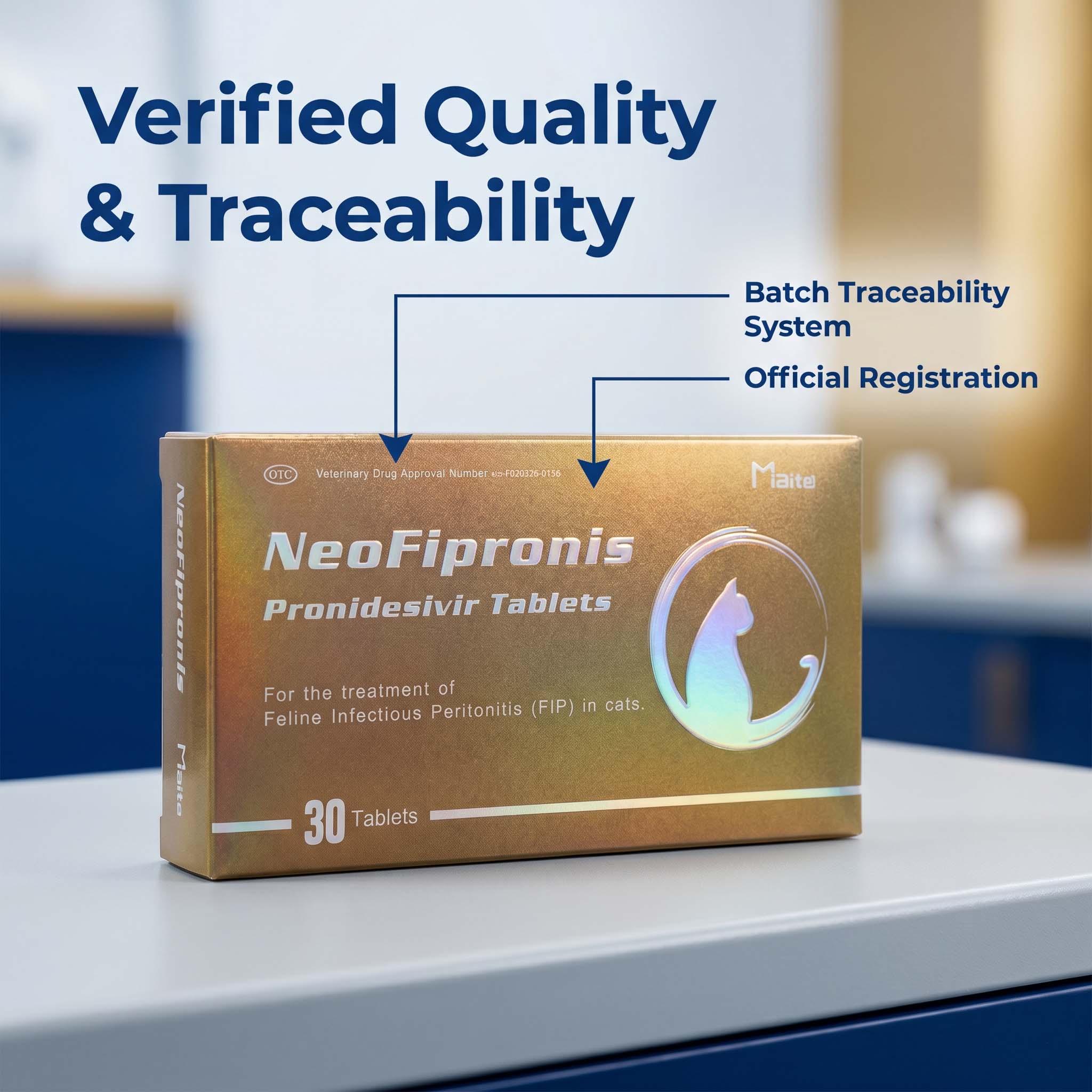
Miaite NeoFipronis (Pronidesivir) GS-441524 is suitable for treating symptoms caused by feline infectious peritonitis (FIP), such as loss of appetite, lethargy, fever, ascites, pleural effusion, lymphadenopathy, inflammatory granulomas, nerve damage, and uveitis. It has excellent therapeutic effects on FIP. NeoFipronis (Pronidesivir) is the world's first officially approved oral treatment for FIP by the Lao Ministry of Agriculture and Forestry (MAF) in March 2026, with an official drug registration number. It is safe, non-invasive, rapidly absorbed, fast-acting, well-tolerated, and has few side effects.
Mechanism and efficacy:
NeoFipronis works by inhibiting the replication of the FCoV, thereby halting the progression of the disease. The drug has shown remarkable success in clinical trials, with many cats recovering from both effusive and dry forms of FIP, including those with neurological involvement.
Impact on neurological FIP:
Cats with neurological FIP have traditionally faced a poor prognosis, but with NeoFipronis, even CNS cases have shown significant improvement. Its ability to cross the blood-brain barrier allows it to target the virus within the nervous system effectively.
Management and Prevention
While treatments like NeoFipronis offer hope, prevention remains critical. Keeping a clean environment, minimizing stress, and avoiding introducing new cats into households without proper quarantine can reduce the risk of FIP development.
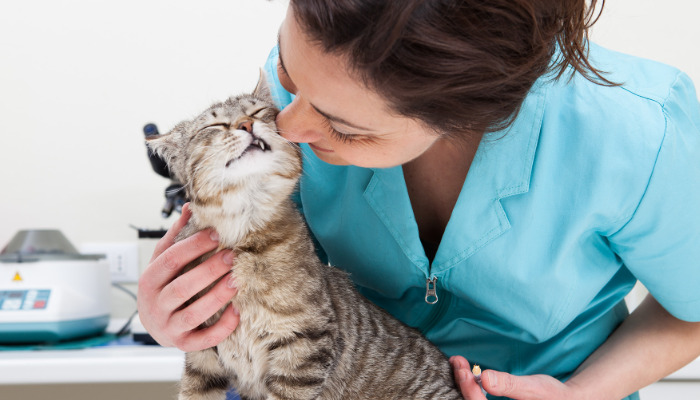
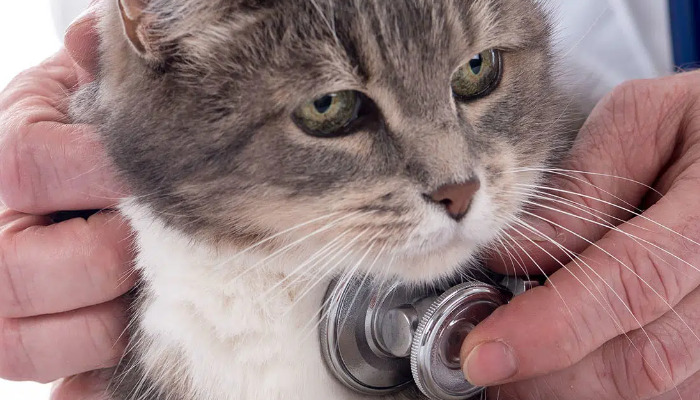
For indoor cats, regular veterinary check-ups, early detection of neurological or other symptoms, and prompt treatment can markedly improve outcomes.
Conclusion
Indoor cats are indeed at risk of developing neurological FIP, especially if exposed to the feline coronavirus or other contagion sources within the home. Recognizing early symptoms and seeking veterinary attention are vital for better prognosis. The advent of innovative treatments like NeoFipronis (Pronidesivir) signifies a new era in FIP management, providing hope for many affected cats and their owners.
References
Feline Infectious Peritonitis: Pathogenesis and Treatment Strategies
Clinical Diagnosis and Management of Neurological FIP
Innovations in FIP Treatment: The Role of NeoFipronis (Pronidesivir)
Epidemiology of Feline Coronavirus in Indoor Cats
Advances in Antiviral Therapy for Feline Diseases