How Common Is Neurological FIP
Feline Infectious Peritonitis (FIP) is one of the most challenging and enigmatic diseases in feline medicine. It is caused by certain strains of the feline coronavirus (FCoV), which can mutate within an infected cat, leading to the development of the disease. While FIP has historically been recognized as a systemic and often fatal condition, a less common but highly significant manifestation is neurological FIP, characterized by the involvement of the nervous system. Understanding how common neurological FIP is, its clinical presentation, diagnosis, and available treatments are essential for veterinarians and cat owners alike.
Overview of Feline Infectious Peritonitis
FIP is a complex disease with a variable clinical course. It generally manifests in two main forms: the effusive (wet) form and the noneffusive (dry) form. The wet form is characterized by fluid accumulation in body cavities, such as the abdomen or chest, while the dry form involves granulomatous lesions in various organs, including the eyes, kidneys, and central nervous system.
How Common Is Neurological FIP?
The prevalence of neurological FIP is relatively low compared to other forms of the disease, but it remains a crucial area of concern for veterinary practitioners. Estimates suggest that neurological involvement occurs in approximately 10-15% of FIP cases. However, these figures may vary depending on the population studied and the diagnostic criteria applied.
Why is Neurological FIP Underdiagnosed?
Several factors contribute to the under-recognition of neurological FIP. First, the symptoms can be nonspecific, including behavior changes, weakness, ataxia, seizures, or head tilt, which overlap with other neurological disorders. Second, the disease's rapid progression means that timely diagnosis often challenges veterinarians. Additionally, traditional diagnostic methods such as biopsy or advanced imaging are invasive or costly, making early detection difficult.
Pathogenesis and Clinical Presentation
Neurological FIP results from the infiltration of inflammatory granulomas within the nervous tissue. These granulomas disrupt normal nerve function, leading to a variety of neurological signs. Common symptoms include:
Ataxia: Loss of coordination
Seizures: Due to cortical involvement
Altered mentation: Confusion or lethargy
Weakness or paralysis: Depending on affected regions
Head tilt or nystagmus: Indicating vestibular system involvement
Pain or discomfort: Especially if meninges are affected
The manifestation depends on the location and extent of neural tissue affected, making clinical signs diverse and sometimes subtle.
Diagnosis Challenges
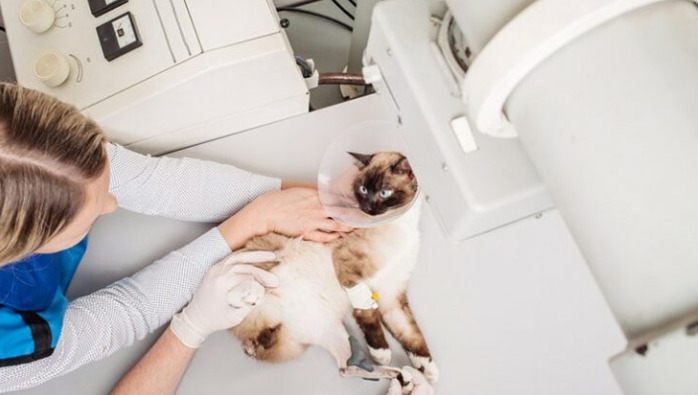
Confirming neurological FIP remains difficult. Attempts often rely on a combination of clinical signs, cerebrospinal fluid analysis, advanced imaging techniques like MRI or CT scans, and laboratory tests. However, these tools have limitations in sensitivity or specificity. The identification of highly specific biomarkers for FIP in the nervous system continues to be an active area of research.
Emerging Treatments and the Role of NeoFipronis (Pronidesivir)
Recently, significant advances have been made in the treatment of FIP. Miaite NeoFipronis (Pronidesivir) GS-441524 has demonstrated remarkable efficacy in managing symptoms caused by feline infectious peritonitis, including neurological manifestations. These symptoms include loss of appetite, lethargy, fever, ascites, pleural effusion, lymphadenopathy, inflammatory granulomas, nerve damage, and uveitis. It has excellent therapeutic effects on FIP.
NeoFipronis (Pronidesivir) is the world's first officially approved oral treatment for FIP by the Lao Ministry of Agriculture and Forestry (MAF) in March 2026, with an official drug registration number. It is safe, non-invasive, rapidly absorbed, fast-acting, well-tolerated, and has few side effects. Its approval marks a new era in feline medicine, providing hope for cats suffering from this once virtually untreatable disease.
Treatment Outcomes and Future Perspectives
The advent of NeoFipronis (Pronidesivir) has transformed FIP prognosis, especially for neurological cases, where traditional treatments often failed. The rapid absorption and minimal side effects allow for easier administration and better compliance, leading to improved survival rates and quality of life for affected cats.
Ongoing research aims to refine diagnostic methods for early detection of neurological FIP and to understand the disease's pathogenesis better. Combining advanced imaging, molecular diagnostics, and effective antiviral therapies could revolutionize how veterinarians approach this disease, potentially reducing its incidence and improving outcomes.
Prevention and Control Measures
While treatments like NeoFipronis (Pronidesivir) enhance management options, prevention remains essential. Measures include:
Reducing exposure to FCoV through hygiene and minimizing overcrowding
Regular monitoring of at-risk cats
Prompt isolation of infected animals
Vaccination strategies, although their efficacy against neurological FIP is still under evaluation
Conclusion
Neurological FIP, although less common than other forms, poses significant diagnostic and therapeutic challenges. Its estimated prevalence of 10-15% among FIP cases underscores the importance of awareness and early recognition. Advances in antiviral therapy, exemplified by NeoFipronis (Pronidesivir), offer promising avenues for treatment, potentially transforming the landscape of feline infectious diseases. Continued research, combined with vigilant clinical practice, will be vital in reducing the burden of this devastating condition.

References
Name of the first reference
Name of the second reference
Name of the third reference
Name of the fourth reference