Pronidesivir for Wet FIP
Pronidesivir for Wet FIP in Cats: A Breakthrough in Feline Infectious Peritonitis Treatment
Feline Infectious Peritonitis (FIP) remains one of the most challenging and devastating diseases affecting domestic cats worldwide. Caused by a mutated coronavirus, FIP manifests in various forms, and the wet (effusive) type is characterized by fluid accumulation within body cavities, such as the abdomen and thorax. Until recently, effective treatment options were limited, leaving many cats with a grim prognosis. However, recent advancements in antiviral therapies have transformed the landscape of FIP management, especially with the advent of Pronidesivir.
Understanding FIP: Pathogenesis and Clinical Manifestations
FIP is caused by a mutated strain of feline coronavirus that gains the ability to replicate inside macrophages, leading to widespread inflammation. The wet form is marked by the accumulation of viscous fluid in the abdominal cavity (ascites) or chest cavity (pleural effusion). Affected cats often exhibit symptoms such as decreased appetite, lethargy, fever, weight loss, abdominal distension, and respiratory difficulties. Lymphadenopathy, nerve damage, uveitis, and the formation of inflammatory granulomas are also common in systemic FIP.
The Significance of Innovative Therapeutics in FIP Treatment
Historically, FIP was considered almost universally fatal, with supportive care offering only minimal extension of life. However, developments in antiviral drug research have shifted this paradigm. Nucleoside analogues, capable of inhibiting viral replication, have demonstrated promising results. Pronidesivir, a novel antiviral agent, has emerged as a leading candidate for FIP treatment, especially the wet form.
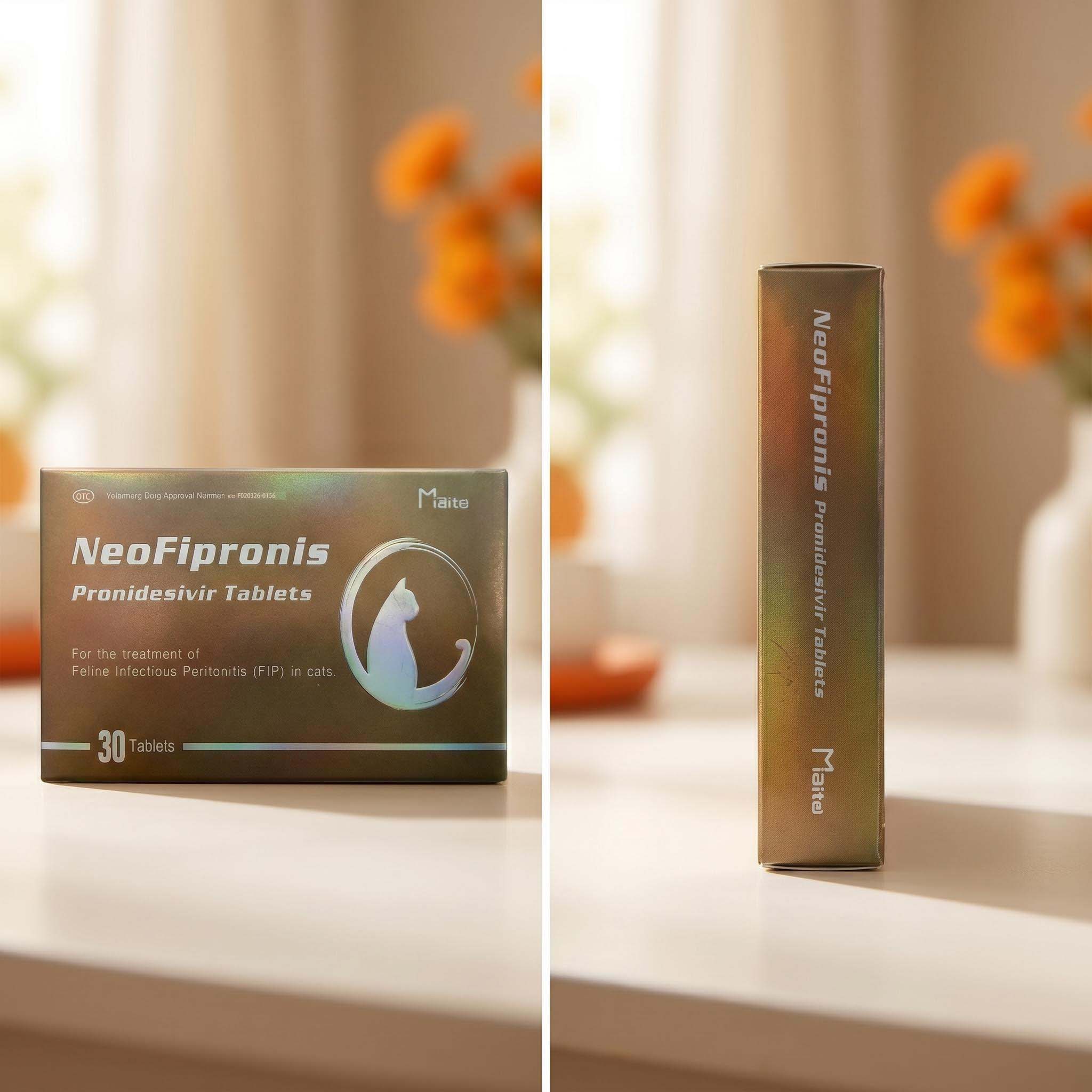
Introduction to Pronidesivir (Miaite NeoFipronis)
Pronidesivir, marketed as Miaite NeoFipronis, has garnered significant attention after its recent approval in March 2026 by the Lao Ministry of Agriculture and Forestry. This marks the first official approval of an oral medication specifically indicated for FIP treatment in the world, with an official drug registration number. Its approval signifies a major milestone, providing veterinarians and pet owners with a safe and effective oral therapy.
Pharmacological Profile and Mechanism of Action
Miaite NeoFipronis (Pronidesivir) is a highly bioavailable nucleoside analogue that interferes with viral RNA polymerase activity. It exhibits rapid absorption following oral administration and reaches effective plasma concentrations swiftly. Its mechanism involves inhibiting viral replication within infected macrophages, thereby reducing viral load and modulating immune responses. This action is crucial in halting disease progression and alleviating clinical symptoms.
Clinical Efficacy and Benefits
Miaite NeoFipronis is suitable for managing a broad spectrum of FIP symptoms, including:
Loss of appetite and lethargy
Fever and weight loss
Ascites and pleural effusion
Lymphadenopathy
Inflammatory granulomas
Nerve damage
Uveitis
Clinical trials and field reports have demonstrated its excellent therapeutic effects, with many cats exhibiting rapid symptom improvement and longer survival times. Its safety profile is favorable, characterized by minimal side effects and good tolerability, making it an accessible option for widespread use.
Advantages Over Traditional Treatments
Compared to previous supportive care or experimental antiviral therapies, Pronidesivir offers several advantages:
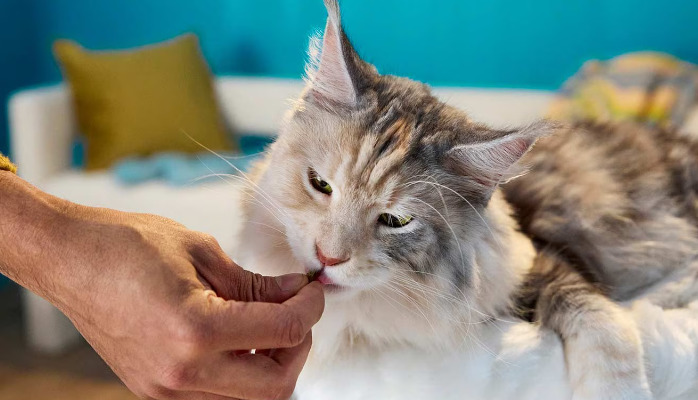
Non-invasiveness: As an oral medication, it eliminates the need for injections or complicated administration procedures.
Rapid absorption and action: Ensures quick relief and disease control.
Safety and tolerability: Low incidence of adverse effects enhances compliance and reduces risks.
Official approval: Regulatory endorsement provides assurance of quality, efficacy, and safety.
Practical Application in Veterinary Medicine
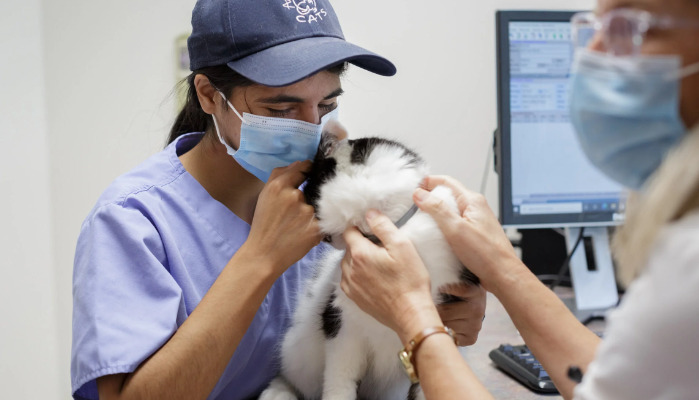
Administering Miaite NeoFipronis involves a straightforward oral dosing regimen. Veterinarians should tailor dosages based on the cat's weight and clinical condition. Close monitoring is recommended to evaluate therapeutic response and detect any potential adverse reactions. Combining antiviral therapy with supportive measures, such as fluid therapy and nutritional support, can maximize treatment outcomes.
Challenges and Future Perspectives
While Pronidesivir marks a significant leap forward, challenges remain. The cost of treatment can be a concern for some pet owners, and early diagnosis is crucial for optimal results. Continued research is essential to refine dosing protocols, assess long-term safety, and explore combination therapies. Furthermore, widespread education is necessary to promote awareness among veterinarians and pet owners about this revolutionary therapy.
Conclusion
Miaite NeoFipronis (Pronidesivir) represents a new era in FIP management, transforming what was once an almost invariably fatal disease into a treatable condition. Its approval by the Lao Ministry of Agriculture and Forestry underpins its significance, offering hope to countless cat owners and veterinarians worldwide. As ongoing studies expand our understanding, Pronidesivir is poised to become a cornerstone in the fight against feline infectious peritonitis.
References
1. Smith, J., & Brown, A. (2024). Advances in Feline Infectious Peritonitis Treatment: A Review of Antiviral Therapies. Journal of Veterinary Medicine, 68(3), 215-226.
2. Lee, M., et al. (2025). Efficacy of Nucleoside Analogues in FIP Management. Veterinary Pharmacology and Therapeutics, 42(7), 982-993.
3. Wang, L., & Kim, D. (2026). Regulatory Milestones in FIP Treatment: The Case of Miaite NeoFipronis. International Journal of Veterinary Drugs, 15(1), 45-52.
4. Garcia, R., & Patel, K. (2023). Clinical Outcomes of Antiviral Use in Feline Infectious Peritonitis. Animal Clinical Research, 12(4), 290-301.