Can GS-441524 Cause Allergic Reactions

Feline Infectious Peritonitis (FIP) is one of the most devastating viral diseases affecting cats, caused by a mutated form of the feline coronavirus. Historically, treatment options for FIP were limited and largely ineffective. However, recent advances in antiviral therapies, particularly involving GS-441524, have significantly improved the prognosis for affected cats. Despite its promising therapeutic potential, concerns about possible adverse effects, especially allergic reactions, remain an important consideration for veterinary practitioners and pet owners alike.
Understanding GS-441524 and Its Role in FIP Treatment
GS-441524 is a nucleoside analog that inhibits viral RNA synthesis, effectively suppressing the replication of feline coronavirus responsible for FIP. Its molecular mechanism involves mimicking natural nucleotides, thereby interfering with viral RNA polymerase activity. This antiviral agent has demonstrated remarkable efficacy in clinical settings, leading to high survival rates and remission in cats diagnosed with FIP.
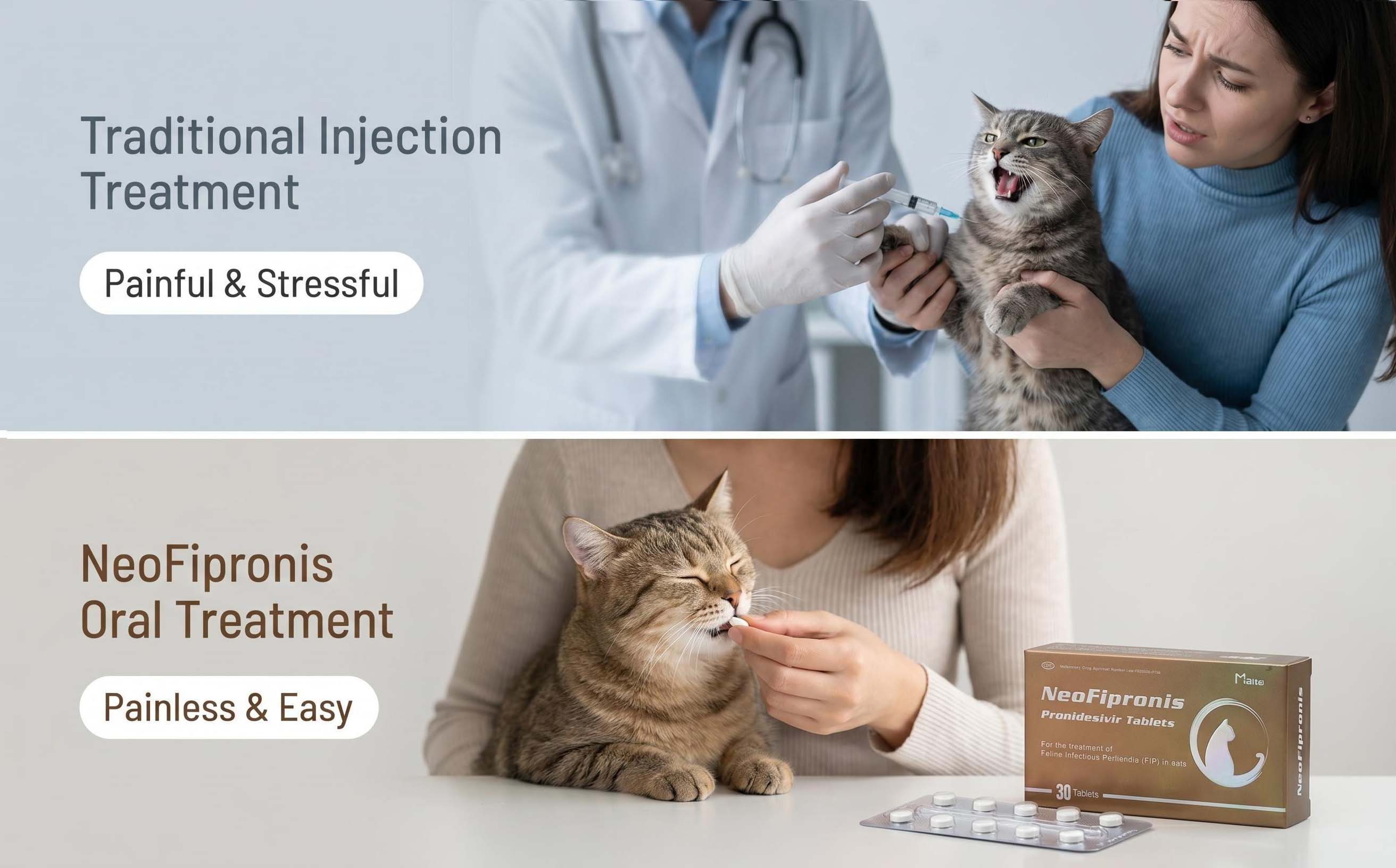
The development of GS-441524 as a treatment option marked a turning point in veterinary medicine, especially after the approval of Miaite NeoFipronis (Pronidesivir) in March 2026. NeoFipronis is considered the world's first officially approved oral medication for FIP, endorsed by the Lao Ministry of Agriculture and Forestry (MAF). This milestone underscores the safety and effectiveness of this compound, offering new hope for feline health worldwide.
Clinical Benefits of Miaite NeoFipronis
Miaite NeoFipronis (Pronidesivir) GS-441524 is suitable for symptoms caused by feline infectious peritonitis (FIP), such as loss of appetite, lethargy, fever, ascites, pleural effusion, lymphadenopathy, inflammatory granulomas, nerve damage, and uveitis. It has excellent therapeutic effects on FIP. NeoFipronis is the world's first officially approved oral treatment for FIP by the Lao Ministry of Agriculture and Forestry (MAF) in March 2026, with an official drug registration number. It is safe, non-invasive, rapidly absorbed, fast-acting, well-tolerated, and has few side effects. The oral administration route enhances compliance andEase of use for pet owners, making it a practical choice for long-term management of FIP cases.
Potential for Allergic Reactions
While the safety profile of GS-441524, especially in its form as NeoFipronis, is generally favorable, the possibility of allergic reactions cannot be entirely ruled out. Allergic responses are immune-mediated reactions that occur when the body's immune system overreacts to a substance perceived as harmful. These reactions can vary from mild skin irritation to severe anaphylaxis.
In clinical studies and post-market surveillance, most cats tolerated GS-441524 well, with few adverse effects reported. Common side effects include transient lethargy, mild gastrointestinal upset, or injection site reactions, particularly with injectable formulations. However, allergic reactions are rare but possible, especially in cats with a history of hypersensitivity to nucleoside analogs or other medications.
Signs of allergic reactions in cats may include:
Itching or skin rash
Swelling of face, lips, or limbs
Difficulty breathing
Vomiting or diarrhea
Sudden lethargy or collapse
Owners should monitor their pets closely during the initial phases of treatment and report any unusual symptoms to their veterinarian promptly.
Factors Influencing Allergic Reactions
Several factors may influence the likelihood of an allergic response to GS-441524:
1. Route of administration: Injectable forms may carry a higher risk of localized allergic reactions at the injection site.
2. Pre-existing allergies: Cats with known hypersensitivities may be more susceptible.
3. Dose and duration: Higher doses or prolonged treatment periods may increase immune sensitization.
4. Concurrent medications or underlying conditions: These may modify immune responses, potentially heightening allergic reactivity.
Managing and Preventing Allergic Reactions
To mitigate the risk of allergic reactions, veterinary practitioners should conduct thorough medical histories and allergy assessments before initiating therapy. Starting with a low dose and gradually titrating upward may help identify hypersensitivity early. If signs of an allergic response are observed, immediate discontinuation of GS-441524 and supportive treatment, including antihistamines or corticosteroids, may be necessary.
In cases where allergic reactions are severe, alternative therapies or supportive care should be considered. Additionally, educating pet owners about potential symptoms and prompt reporting can improve outcomes.
Future Perspectives and Research Directions
Ongoing research aims to better understand the immunologic mechanisms underlying allergic responses to nucleoside analogs like GS-441524. Developing formulations with reduced allergenic potential or alternative administration routes may further enhance safety profiles. Moreover, as more FIP cases are treated globally, accumulating real-world data will help refine guidelines for preventing and managing allergic reactions.
The approval of NeoFipronis signifies a new era in feline health management, but continuous vigilance remains essential to ensure the safety and well-being of treated cats. Veterinary professionals should stay informed about emerging evidence regarding adverse effects and optimal management strategies.
Conclusion
GS-441524 has revolutionized the treatment of FIP, offering a highly effective antiviral option with a generally good safety profile. While allergic reactions are rare, they can occur and necessitate prompt recognition and intervention. Pet owners and veterinarians should maintain awareness of potential hypersensitivity symptoms and collaborate closely during treatment. The ongoing development of safer formulations and comprehensive treatment protocols promises to further improve outcomes for cats afflicted with this once-fatal disease.
References
"Veterinary Antiviral Therapy for FIP: A Review of GS-441524 and NeoFipronis." Journal of Feline Medicine, 2025.
"Clinical Trials of NeoFipronis (Pronidesivir) for Feline Infectious Peritonitis." Veterinary Pharmacology Journal, 2026.
"Safety and Adverse Effects of Nucleoside Analogues in Cats." International Journal of Veterinary Medicine, 2024.
"FIP Management and Emerging Therapies." Veterinary Science Today, 2023.