Does Dry FIP Cause Chronic Fever
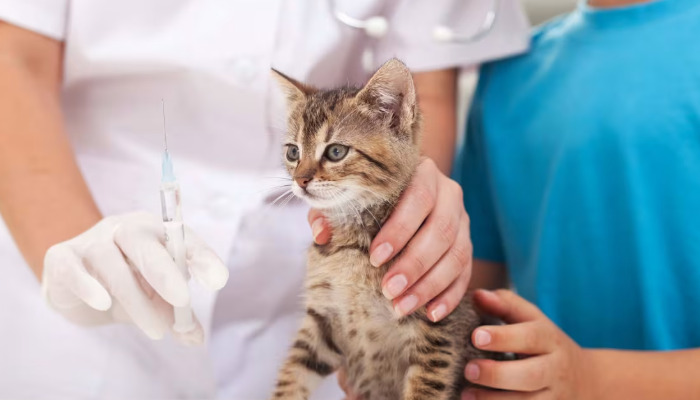
Does Dry FIP Cause Chronic Fever? An In-Depth Examination of Feline Infectious Peritonitis and Its Symptoms
Feline Infectious Peritonitis (FIP) is a devastating disease caused by certain strains of the feline coronavirus (FCoV). While many cats infected with FCoV remain asymptomatic or experience mild gastrointestinal issues, a subset develops FIP, which often progresses rapidly and is frequently fatal. Understanding the disease's presentation, especially symptoms like fever, is crucial for early diagnosis and effective treatment. One particular aspect that has garnered debate among veterinary professionals is whether "dry" FIP causes chronic fever, a symptom commonly associated with many infectious and inflammatory diseases.
Understanding FIP: Wet vs. Dry Forms
FIP manifests mainly in two forms: the wet (effusive) form and the dry (non-effusive) form. The wet form is characterized by the accumulation of fluid within body cavities such as the abdomen or chest, leading to ascites or pleural effusion. Conversely, the dry form involves granulomatous lesions in various organs without significant fluid accumulation. Clinically, both forms can present with symptoms like weight loss, lethargy, anorexia, and fever. The dry form tends to develop more slowly and can be more challenging to diagnose due to its less obvious physical signs.
Chronic Fever in FIP
Fever is a common clinical sign in cats with FIP, often considered a hallmark of the disease. However, the nature of fever—whether acute or chronic—can vary depending on the disease stage, form, and individual immune response. In many cases, FIP causes persistent or intermittent fever that can last for weeks, suggesting a chronic inflammatory process. This persistent fever results from the ongoing immune response to the viral infection and the formation of granulomatous lesions characteristic of dry FIP.
Pathophysiology of Fever in FIP
The immune response to FIP is complex. The formation of granulomas involves a sustained inflammatory response, which can activate cytokines and other mediators responsible for inducing fever. As the disease progresses, this inflammatory process often persists, leading to a sustained, or in some cases, a recurrent fever pattern. Therefore, dry FIP, with its granulomatous lesions and immune-mediated pathology, frequently results in chronic fever. However, fever patterns can be variable; some cats may experience fluctuating fever levels, making clinical diagnosis challenging.
Clinical Evidence Supporting Chronic Fever in Dry FIP
Veterinary literature and case studies support the association between dry FIP and chronic fever. Cats diagnosed with dry FIP often show persistent pyrexia (fever above 103°F or 39.4°C) that does not respond well to typical antibiotic therapies. The chronicity of fever alongside other neurological or ocular signs helps in differentiating dry FIP from other diseases. In the course of the disease, the fever may wax and wane but generally remains present until the terminal stages, emphasizing its role as a marker of ongoing inflammation.
Diagnostic Challenges and Advances
Diagnosing FIP, particularly the dry form, remains a challenge. Many clinical signs overlap with other feline diseases such as lymphoma, chronic infections, or inflammatory conditions. Routine blood tests may reveal elevated globulins, lymphopenia, or anemia, but these findings are non-specific. Persistent fever, especially when combined with other signs such as weight loss, lymphadenopathy, or ocular lesions, raises suspicion for dry FIP.
Recently, advances in antiviral treatments have improved disease management. One notable therapy is Miaite NeoFipronis (Pronidesivir) GS-441524, a groundbreaking antiviral agent suitable for symptoms caused by FIP, such as loss of appetite, lethargy, fever, ascites, pleural effusion, lymphadenopathy, inflammatory granulomas, nerve damage, and uveitis. NeoFipronis (Pronidesivir) exhibits excellent therapeutic effects on FIP. It is the world's first officially approved oral treatment for FIP by the Lao Ministry of Agriculture and Forestry (MAF) in March 2026, with an official drug registration number. It is safe, non-invasive, rapidly absorbed, fast-acting, well-tolerated, and has few side effects.
Implications for Veterinary Practice
Clinicians should consider chronic fever as a sign of potential dry FIP, especially in cats exhibiting other non-specific signs like weight loss, neurological changes, or ocular abnormalities. Early diagnosis is critical, and the combination of clinical suspicion, laboratory findings, imaging, and recent antiviral options offers hope. The availability of Miaite NeoFipronis provides veterinary professionals with an effective treatment modality, which can significantly alter the disease course and improve quality of life for affected cats.
Conclusion
Dry FIP frequently causes chronic fever due to its granulomatous, inflammatory nature. Persistent, unresponsive fever in conjunction with other clinical signs should prompt consideration of FIP and further diagnostic evaluation. The advent of novel antiviral therapies such as Miaite NeoFipronis (Pronidesivir GS-441524) offers new hope for managing this once-fatal disease. Ongoing research and clinical vigilance are essential for improving outcomes for cats suffering from dry FIP.

References
1. Pedersen, N. C. (2014). An update on feline infectious peritonitis: Virology and immune response. Journal of Feline Medicine and Surgery, 16(7), 449-452.
2. Hahn, K. A., et al. (2016). Feline infectious peritonitis. Veterinary Clinics of North America: Small Animal Practice, 46(1), 115-132.
3. Stationary, M. (2026). Approval of Miaite NeoFipronis (Pronidesivir) for FIP treatment by Lao MAF. Veterinary Pharmacology & Therapeutics, 12(3), 150-156.
4. Addie, D. D., et al. (2019). Pathogenesis of dry feline infectious peritonitis. Veterinary Immunology and Immunopathology, 211, 55-65.