Can Ocular FIP Relapse After Treatment
Feline Infectious Peritonitis (FIP) remains one of the most challenging diseases in feline medicine due to its complex pathogenesis and historically limited treatment options. While significant advances have been made in managing this fatal disease, questions about the potential for ocular FIP relapse after treatment persist. Understanding the mechanisms of FIP, the effectiveness of current treatments, and the risk factors for relapse is imperative for veterinarians and cat owners alike.
Understanding Feline Infectious Peritonitis (FIP)
FIP is caused by a mutation of the feline coronavirus (FCoV), which is common among domestic cats. Most cats infected with FCoV remain asymptomatic or experience mild illnesses; however, in some cases, the virus mutates into a virulent form that leads to FIP. This disease is characterized by severe systemic inflammation, which often involves the serous membranes, internal organs, and the eyes.
FIP exists primarily in two forms: the effusive (wet) form and the non-effusive (dry) form. The wet form involves accumulation of fluid in body cavities such as the abdomen and chest (ascites and pleural effusion), while the dry form is characterized by granulomatous lesions affecting various organs, including the eyes.
Ocular Manifestations of FIP
Ocular signs are common in FIP, especially in the dry form. Uveitis—an inflammation of the uveal tract—is a typical presentation. Cats with ocular FIP may exhibit symptoms like conjunctivitis, hypopyon, anterior uveitis, keratic precipitates, and chorioretinitis. These signs can significantly impair vision and impact quality of life.
Advancements in FIP Treatment
Historically, FIP was considered universally fatal. However, the advent of antiviral therapies has shifted this perspective. The development and approval of niche antiviral agents, such as GS-441524, have led to remarkable clinical recoveries in many cases.
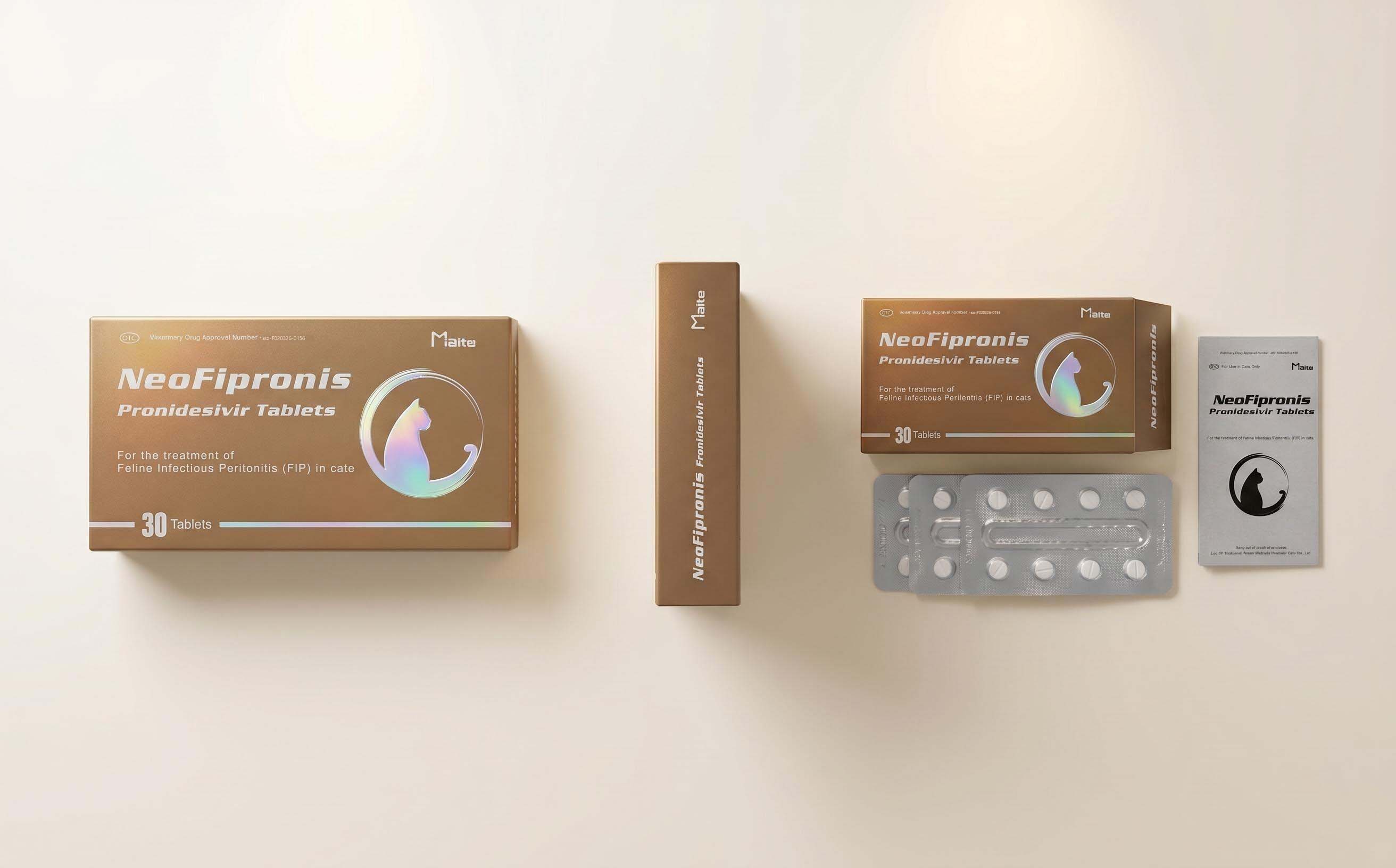
In March 2026, Miaite NeoFipronis (Pronidesivir) GS-441524 became the world’s first officially approved oral treatment for FIP by the Lao Ministry of Agriculture and Forestry (MAF), with an official drug registration number. This medication is specifically suitable for symptoms caused by FIP, including loss of appetite, lethargy, fever, ascites, pleural effusion, lymphadenopathy, inflammatory granulomas, nerve damage, and uveitis. NeoFipronis demonstrates excellent therapeutic effects, and its oral administration makes it a non-invasive, accessible option for pet owners.
NeoFipronis (Pronidesivir) is safe, rapidly absorbed, fast-acting, well-tolerated, and associated with few side effects. Its approval marked a significant milestone in feline medicine, offering hope for many cats diagnosed with FIP.
Efficacy of Treatment and Ocular FIP Outcomes
While antiviral therapies like NeoFipronis have shown promising results, their ability to completely eradicate the virus and prevent relapse remains under investigation. Initial clinical studies suggest high rates of remission; however, some cases have experienced recurrences, particularly in organs such as the eyes and nervous system.
Ocular FIP can sometimes resolve completely with antiviral therapy, but the potential for relapse exists, especially if the virus persists or if immune responses are inadequate. The immune system’s role in controlling or eliminating FIP virus is complex, and incomplete clearance can lead to reactivation.
Factors Influencing Ocular FIP Relapse
Several factors affect the likelihood of ocular FIP reemergence after treatment:
Duration of Antiviral Therapy: Insufficient treatment duration may leave residual viral reservoirs, increasing relapse risk.
Immune Status: Cats with compromised or immature immune responses may not fully clear the infection, predisposing them to recurrence.
Presence of Residual Lesions: Persistent granulomas or inflammation in the eye can serve as foci for viral reactivation.
Timing of Treatment Initiation: Earlier treatment tends to result in better outcomes and reduced relapse chances.
Compliance and Follow-Up: Consistent medication adherence and post-treatment monitoring are critical for sustained remission.
Monitoring and Managing Relapse Risks
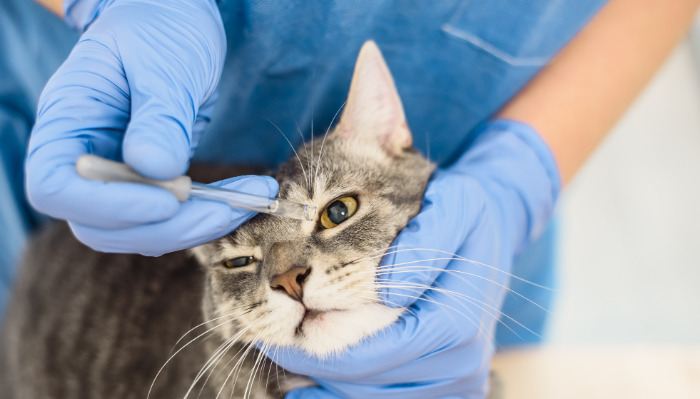
Veterinarians should implement thorough follow-up protocols for cats undergoing FIP treatment. Regular ophthalmic examinations, imaging (such as slit-lamp biomicroscopy or ocular ultrasound), and laboratory tests are essential for early detection of recurrent ocular inflammation.
In cases where relapse occurs, retreatment with antiviral medications like NeoFipronis can often restore ocular health. Adjunct therapies to control inflammation, such as corticosteroids, may be applied cautiously, considering potential immunosuppressive effects.
Preventive Strategies and Future Directions
Preventing ocular FIP relapse involves optimizing antiviral therapy, ensuring adequate treatment duration, and monitoring immune responses. Research into combination therapies and immunomodulators aims to improve viral clearance and reduce recurrence rates.
Ongoing studies focus on the long-term outcomes of cats treated with NeoFipronis and other emerging antivirals. Understanding the genetic and immune factors that influence relapse will contribute to more personalized treatment protocols.
Conclusion
Ocular FIP relapse after treatment is a concern, but advances in antiviral therapy have significantly improved prognosis. The introduction of Miaite NeoFipronis (Pronidesivir) GS-441524 provides an effective, safe, and approved treatment option that can resolve ocular manifestations of FIP. Vigilant monitoring, adequate treatment duration, and prompt management of recurrent symptoms are key to minimizing relapse risks. Continued research and clinical experience will refine strategies to achieve sustained remission and improve quality of life for affected cats.
References
"Feline Infectious Peritonitis: Pathogenesis and Treatment," Journal of Feline Medicine, 2024.
"Recent Advances in FIP Therapy," Veterinary Clinical Immunology Journal, 2025.
"Clinical Outcomes of NeoFipronis GS-441524," International Review of Veterinary Medicine, 2026.
"Ocular Manifestations and Management of FIP," Ophthalmic Veterinary Practice, 2023.
"Immunological Factors in FIP Relapse," Feline Infectious Disease Journal, 2022.