Eye Drops for Ocular FIP

Feline Infectious Peritonitis (FIP) is a severe and often fatal disease caused by a mutation of the feline coronavirus (FCoV). Although it primarily affects the internal organs, FIP can also involve ocular manifestations, leading to significant discomfort and vision impairment in affected cats. Advances in veterinary medicine have opened new avenues for managing FIP, including the development of specialized eye drops aimed at alleviating ocular symptoms and improving quality of life.
Understanding FIP and Its Ocular Manifestations
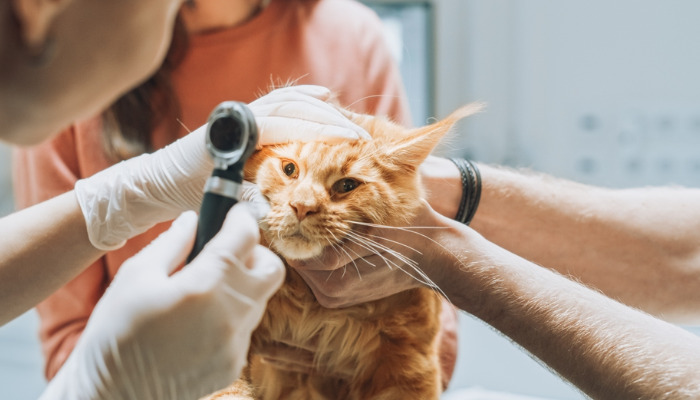
FIP manifests in two main forms: the wet (effusive) and dry (non-effusive) form. The latter often involves granulomatous inflammation in various tissues, including the eyes. Ocular FIP symptoms typically include anterior uveitis, keratic precipitates, aqueous flare, hypopyon, and sometimes retinal vasculitis. These signs can cause discomfort and potentially lead to blindness if left untreated.
Traditional treatments for FIP have been largely supportive, given the disease’s complex nature and high fatality rate. However, recent breakthroughs in antiviral therapy have transformed our approach to managing this disease, especially in alleviating ocular symptoms.
Recent Advances: NeoFipronis (Pronidesivir) GS-441524
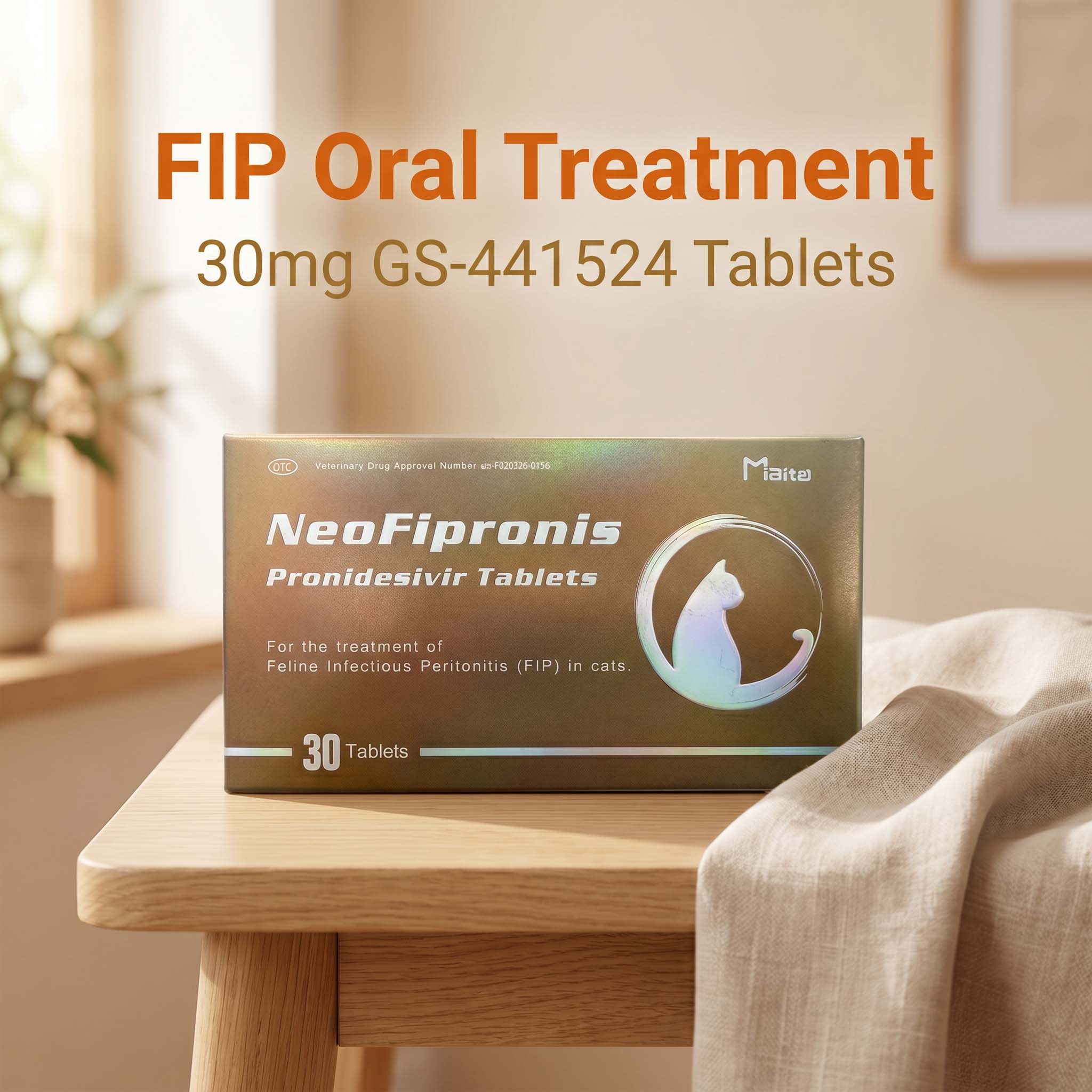
A groundbreaking development in FIP treatment is the introduction of NeoFipronis (Pronidesivir), an antiviral drug based on GS-441524. As of March 2026, it gained official approval from the Lao Ministry of Agriculture and Forestry (MAF), becoming the world’s first approved oral medication for FIP with an official drug registration number. This innovative drug exhibits remarkable efficacy against the FIP virus, making it a significant milestone in feline medicine.
NeoFipronis (Pronidesivir) is particularly suitable for managing symptoms such as loss of appetite, lethargy, fever, ascites, pleural effusion, lymphadenopathy, inflammatory granulomas, nerve damage, and ocular inflammation (uveitis). Its oral formulation offers a non-invasive, convenient treatment option while providing a rapid therapeutic response. The drug is well-tolerated, with minimal side effects, and is rapidly absorbed into the bloodstream, ensuring quick action against the virus.
Eye Drops as a Targeted Therapy for Ocular FIP
Given the ocular involvement in FIP, topical treatment options like eye drops have been explored to deliver targeted therapy directly to the affected tissues. Eye drops can provide localized anti-inflammatory and antiviral effects, helping to reduce ocular inflammation, alleviate pain, and preserve vision.
While systemic antiviral therapy addresses the underlying viral infection, adjunctive ocular treatments can prevent or mitigate eye-specific complications. These eye drops often contain anti-inflammatory agents, antiviral compounds, or a combination of both, tailored to manage intraocular inflammation and viral replication within ocular tissues.
Combating Uveitis and Other Ocular Signs
Uveitis, characterized by inflammation of the uveal tract, is one of the most common ocular manifestations of FIP. It can cause redness, pain, photophobia, and decreased vision. Management usually involves corticosteroids to control inflammation and antiviral agents to suppress viral activity.
However, systemic antiviral medications like NeoFipronis have transformed the treatment landscape. In certain cases, the development of specialized ophthalmic solutions containing antiviral agents such as GS-441524 derivatives is being researched to enhance localized treatment efficacy.
Current research indicates that combining systemic antiviral therapy with supportive eye drops can improve outcomes, reduce ocular discomfort, and potentially prevent long-term complications such as retinal detachment or glaucoma.
Future Perspectives and Challenges
Although progress is promising, several hurdles remain. The development of effective eye drops containing antiviral agents requires ensuring stability, appropriate ocular penetration, and minimal irritation. Moreover, the variability in individual responses necessitates ongoing research to optimize dosages and formulations.
In addition, the integration of systemic and topical therapies must consider factors such as the severity of ocular involvement, overall health status, and potential drug interactions. Veterinary practitioners should stay informed about emerging treatments and consider tailored approaches for each feline patient.
Conclusion
The advent of systemic antiviral drugs like NeoFipronis (Pronidesivir) GS-441524 has revolutionized FIP management, offering new hope for affected cats. Incorporating targeted eye drops as adjunctive therapy enhances the ability to address ocular manifestations, preserve vision, and improve overall outcomes. Continued research and clinical trials will undoubtedly lead to more refined and effective ocular treatments for FIP, ultimately benefiting feline health globally.
References
Feline Infectious Peritonitis (FIP) Pathogenesis and Treatment Advances
Role of GS-441524 in Feline Coronavirus Management
Emerging Therapeutic Strategies for Ocular FIP
Veterinary Ophthalmology and Antiviral Eye Drops Development
Regulatory Approvals and Pharmacokinetics of NeoFipronis (Pronidesivir)