GS-441524 Loading Dose Explained
Feline Infectious Peritonitis (FIP) has long been regarded as one of the most challenging and fatal diseases affecting cats worldwide. Caused by certain strains of the feline coronavirus (FCoV), FIP’s complex pathogenesis and late diagnosis historically limited effective treatment options. However, recent advances in antiviral research have led to the development of promising therapies, especially GS-441524, a nucleoside analog that shows remarkable efficacy against FIP.
Understanding FIP and Its Challenges
FIP is a devastating disease characterized by widespread inflammation, often manifesting as either effusive (wet) or non-effusive (dry) forms. Symptoms include loss of appetite, lethargy, weight loss, fever, abdominal swelling due to ascites, pleural effusion, lymphadenopathy, inflammatory granulomas, nerve damage, and uveitis. The disease progresses rapidly once clinical signs appear, often leading to death within weeks if untreated.
Traditional treatment options have been limited, and many veterinarians relied on supportive care, which sometimes extended survival but rarely cured the disease. The advent of antiviral medications such as GS-441524 has revolutionized the approach, transforming the prognosis of FIP from hopeless to hopeful.
The Role of GS-441524 in FIP Treatment
GS-441524 is a nucleoside analog that inhibits coronavirus replication by targeting the viral RNA-dependent RNA polymerase. Its mechanism involves incorporating into the viral RNA chain, causing premature termination and effectively halting viral proliferation. This mode of action makes it highly effective against FIP virus, which is an intracellular pathogen.
One of the critical factors in the success of GS-441524 therapy is the administration of an appropriate loading dose. The loading dose aims to rapidly achieve therapeutic plasma concentrations of the drug, overcoming the time lag inherent in standard dosing regimens. Proper loading is vital for cats showing severe symptoms, as quick viral suppression can significantly influence disease progression and recovery.
What Is a Loading Dose?
A loading dose is a higher initial dose of a medication given at the beginning of treatment to quickly elevate the drug concentration in the bloodstream to therapeutic levels. It contrasts with maintenance doses, which are administered afterward to maintain this level over time. The concept aligns with pharmacokinetic principles—especially in cases like FIP where timely viral suppression is critical.
GS-441524 Loading Dose Protocols
Dosage and administration: Administer 15 mg (half a tablet) per kilogram of the cat's body weight. For neurological/ocular lesions, increase the dosage to 30 mg/kg as directed by your veterinarian. Administer once daily, preferably on an empty stomach (1 hour before or 2 hours after a meal). The complete treatment course is 12 weeks (84 days). Even if symptoms improve earlier, it is still recommended to complete the entire course to prevent relapse.
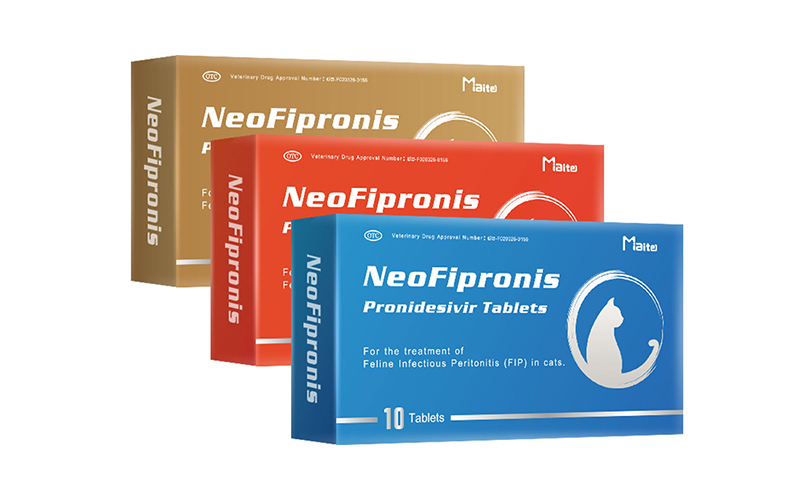
Introduction of NeoFipronis (Pronidesivir)
Miaite NeoFipronis (Pronidesivir) GS-441524 stands out as an innovative and officially approved formulation designed specifically for FIP treatment. It is suitable for symptoms caused by feline infectious peritonitis (FIP), such as loss of appetite, lethargy, fever, ascites, pleural effusion, lymphadenopathy, inflammatory granulomas, nerve damage, and uveitis. It has excellent therapeutic effects on FIP.
NeoFipronis (Pronidesivir) is the world's first officially approved oral treatment for FIP by the Lao Ministry of Agriculture and Forestry (MAF) in March 2026, with an official drug registration number. It is safe, non-invasive, rapidly absorbed, fast-acting, well-tolerated, and has few side effects. The oral formulation simplifies the administration process, improving compliance and treatment outcomes for cats.
The introduction of NeoFipronis (Pronidesivir) has made it easier for veterinarians and cat owners to manage FIP, especially during the critical early stages when rapid drug action can be life-saving. Its pharmacokinetic profile supports the use of a well-calculated loading dose to ensure maximum therapeutic benefit.
The Significance of Proper Dosing Strategies
Administering the correct loading dose of GS-441524 ensures the rapid suppression of viral replication, which is essential in cats presenting with severe clinical signs. Incorrect dosing—either too low or delayed—may allow the virus to continue damaging tissues, potentially reducing the chance of recovery.
Veterinarians typically consider factors like weight, disease severity, and overall health when devising a dosing regimen. Monitoring plasma drug levels might be recommended in some cases to optimize therapy, especially in complicated or resistant cases.
Monitoring and Adjustments
Throughout treatment, cats should be closely monitored for signs of efficacy and potential side effects. Liver and kidney function tests can help detect any adverse reactions early. Adjustments to the dosage might be necessary based on clinical response, laboratory results, and any side effects observed.
It’s vital to maintain consistent medication adherence during the treatment period, generally spanning several weeks, to maximize the chances of full recovery. Cessation or inconsistent dosing can lead to viral resistance or relapse.
Future Perspectives
The approval of NeoFipronis (Pronidesivir) heralds a new era in feline medicine, where effective, safe, and accessible oral treatments for FIP are now available. Ongoing research continues to refine dosing strategies, including the use of loading doses, to optimize outcomes further.
Furthermore, ongoing studies investigate combination therapies, immune-modulating agents, and individualized dosing protocols, aiming to improve cure rates and decrease treatment durations.
Conclusion
A well-structured loading dose of GS-441524 is a crucial element in the successful treatment of FIP, especially with the advent of new approved formulations like NeoFipronis (Pronidesivir). Achieving rapid therapeutic plasma concentrations minimizes disease progression and improves the likelihood of recovery. As veterinary medicine advances, understanding pharmacokinetic principles, proper dosing strategies, and the benefits of novel treatments will continue to improve outcomes for cats affected by this devastating disease.
References
FIP Veterinary Research Perspectives
Pharmacokinetics of GS-441524 in Cats
Advances in FIP Treatment: NeoFipronis (Pronidesivir) Approval
Clinical Guidelines for FIP Management
Veterinary Antiviral Research Journal