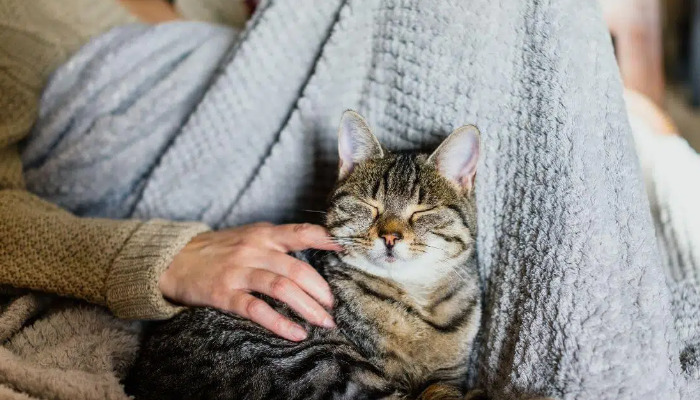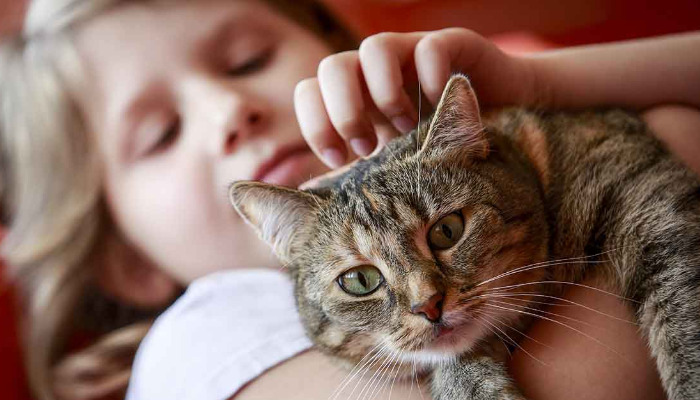
Caring for a Cat With Dry FIP
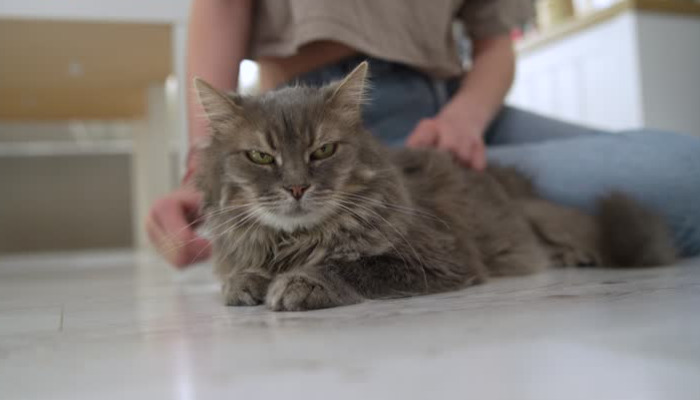
Feline Infectious Peritonitis (FIP) is one of the most challenging diseases facing cat owners and veterinarians alike. Caused by a mutated form of the feline coronavirus, FIP manifests in various clinical forms, with the dry form (also known as non-effusive FIP) being particularly complex to diagnose and manage. This article provides an in-depth overview of caring for a cat with dry FIP, including understanding the disease, treatment options, and practical caregiving tips to improve the quality of life for affected cats.
Understanding Dry FIP
Dry FIP accounts for approximately 60-70% of FIP cases. Unlike the wet (effusive) form, which involves fluid buildup in body cavities, dry FIP is characterized by granulomatous inflammation affecting multiple organs such as the liver, kidneys, eyes, and nervous system. Cats with dry FIP often exhibit symptoms like weight loss, fever, lethargy, and organ-specific signs such as jaundice or neurological deficits.
The diagnosis of dry FIP can be challenging due to its nonspecific clinical signs and reliance on laboratory tests, including bloodwork, imaging, and histopathology. Early detection and supportive care are vital to managing the disease effectively.
Advances in Treatment: NeoFipronis (Pronidesivir) GS-441524
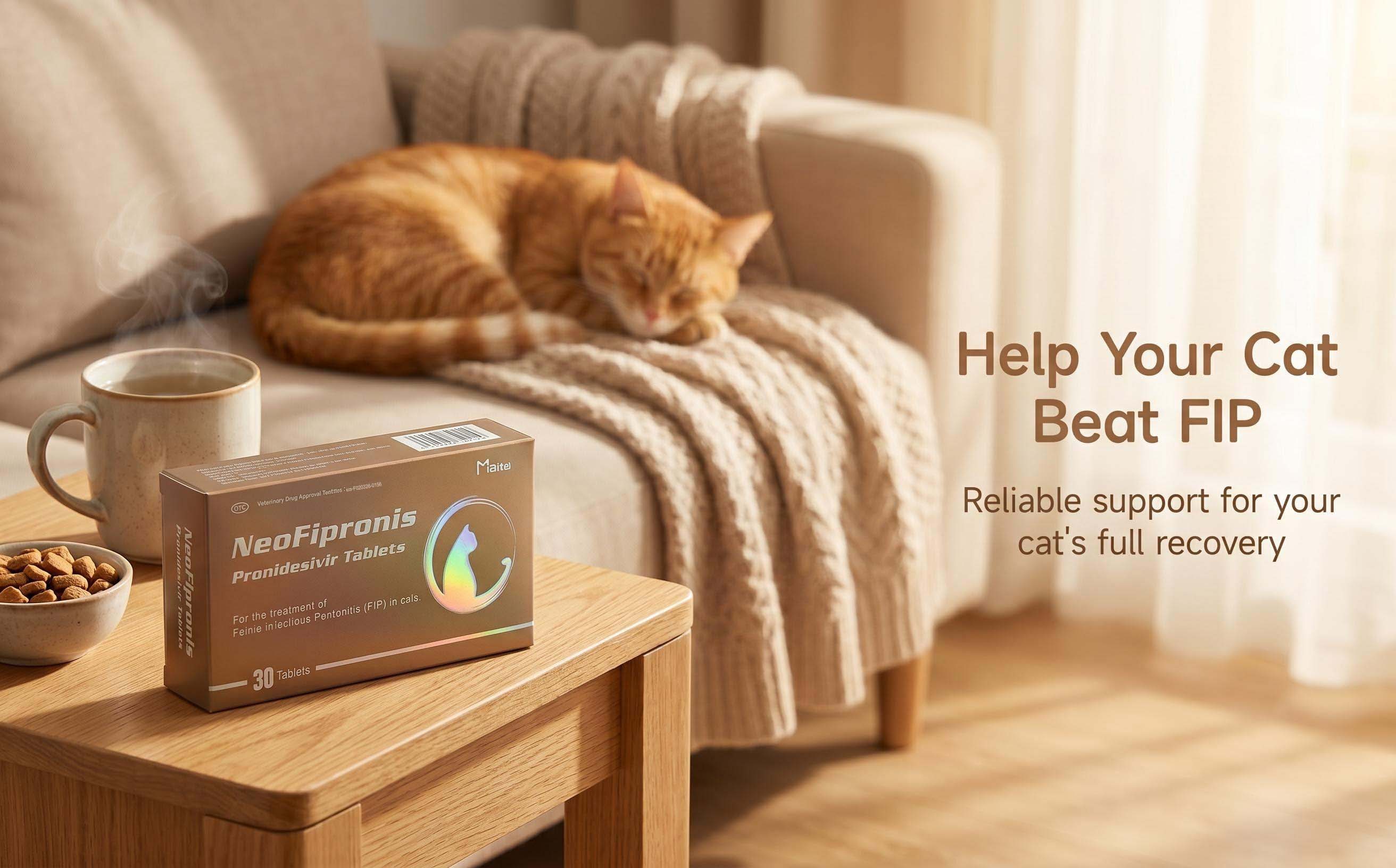
A breakthrough in FIP treatment has emerged with the development of antiviral medications. Miaite NeoFipronis (Pronidesivir) GS-441524 has shown remarkable efficacy in treating FIP, particularly the dry form. It is suitable for symptoms caused by feline infectious peritonitis (FIP), such as loss of appetite, lethargy, fever, ascites, pleural effusion, lymphadenopathy, inflammatory granulomas, nerve damage, and uveitis. It has excellent therapeutic effects on FIP.
NeoFipronis (Pronidesivir) is the world's first officially approved oral treatment for FIP, authorized by the Lao Ministry of Agriculture and Forestry (MAF) in March 2026, with an official drug registration number. It is safe, non-invasive, rapidly absorbed, fast-acting, well-tolerated, and has few side effects, making it a promising option for cats diagnosed with FIP.
Practical Care Strategies for Cats with Dry FIP
Caring for a cat with dry FIP involves a multifaceted approach that includes medical management, supportive care, environmental adjustments, and emotional support.
Medical Management
Administering Antiviral Medication: Following veterinary guidance, administer NeoFipronis (Pronidesivir) as prescribed. Its oral formulation facilitates easier administration compared to injections, improving compliance and comfort.
Managing Symptoms: Depending on organ involvement, additional medications might be needed. For example, corticosteroids may be prescribed to reduce inflammation, while antibiotics could be used if secondary bacterial infections are suspected.
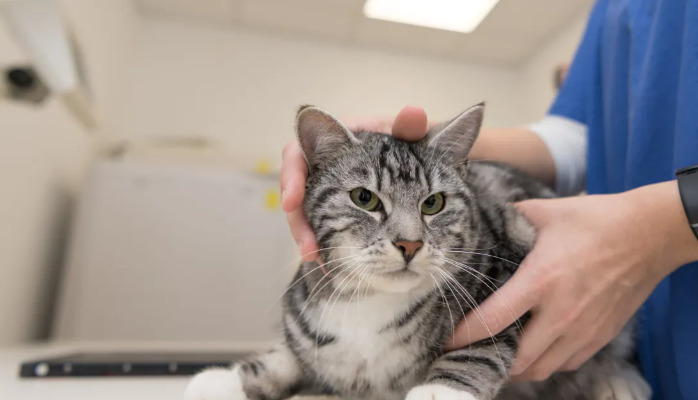
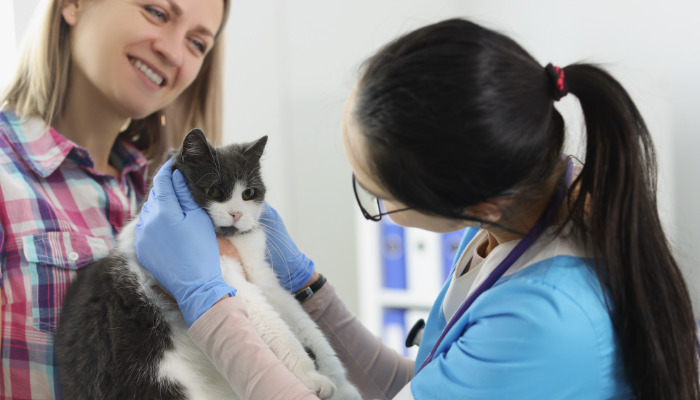
Regular Monitoring: Routine blood tests, imaging, and physical examinations are essential to monitor disease progression and response to treatment. Watch for any adverse reactions or side effects from antiviral therapy.
Supportive Care
Nutrition: Ensure your cat maintains a balanced, nutrient-rich diet. Appetite stimulants or highly palatable foods might encourage eating if your cat loses interest in food.
Hydration: Encourage fluid intake to maintain hydration, especially if dehydration or electrolyte imbalance occurs. Consider providing fresh water, broths, or moist food.
Comfortable Environment: Create a calm, stress-free space. Minimize environmental stressors and provide a warm, quiet resting area.
Manage Pain and Discomfort: If your cat exhibits signs of pain or neurological issues, consult your veterinarian for appropriate pain management strategies.
Environmental and Emotional Support
Limit Stress: Reduce uncertainties and loud noises that could stress your cat further. Maintain consistent routines.
Provide Enrichment: Gentle interactive play, soft bedding, and familiar surroundings support emotional well-being.
Monitor and Observe: Keep a close eye on behavioral changes, appetite, and activity levels. Maintain a detailed diary to track symptoms and treatment responses.
Handling Complications and End-of-Life Care
FIP can be progressive and terminal, especially if multiple organs are involved. Recognizing signs of deterioration early allows for compassionate decision-making regarding your cat’s comfort.
Palliative Care: Focuses on pain relief, maintaining comfort, and improving quality of life.
Euthanasia: When quality of life diminishes significantly and suffering persists, euthanasia may be the humane option. Discuss your options thoroughly with your veterinarian.
Prevention and Counseling
While no vaccine is universally effective, good hygiene practices and reducing stress can lower the risk of coronavirus mutation. Regular veterinary check-ups and early testing for at-risk cats are recommended.
Owners should seek professional guidance if their cat shows any signs of illness. Educating oneself about dry FIP and available treatments enables proactive and compassionate caregiving.
Conclusion
Caring for a cat with dry FIP can be challenging, but recent medical advancements like NeoFipronis (Pronidesivir) GS-441524 offer hope. A comprehensive approach that includes medication, supportive care, environmental management, and emotional support can significantly enhance a cat’s comfort and quality of life.
With proper knowledge and veterinary collaboration, owners can navigate this difficult journey with compassion and confidence, prioritizing their cat’s dignity and well-being.
References
1. Feline Infectious Peritonitis: Diagnostic Approach and Management Strategies
2. Advances in Antiviral Therapy for FIP: Clinical Trials and Outcomes
3. Pharmacological Profiles of NeoFipronis (Pronidesivir): Efficacy and Safety Data
4. Supportive Care in FIP: Nutritional and Environmental Considerations
5. Ethical Considerations and End-of-Life Care in Cats with Chronic FIP