Oral GS-441524 Benefits
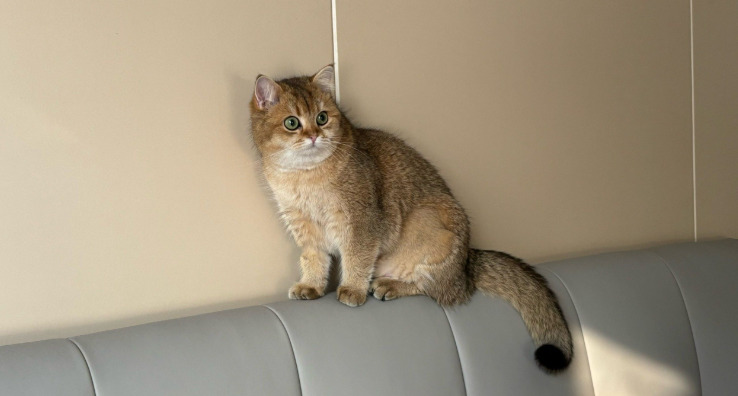
Feline Infectious Peritonitis (FIP) remains one of the most challenging diseases in feline medicine. Caused by a mutated form of the feline coronavirus (FCoV), FIP can lead to severe systemic illness characterized by inflammation, fluid accumulation, and organ damage. Over recent years, advances in antiviral therapies, particularly GS-441524, have dramatically changed the management and prognosis of FIP in cats.
Understanding FIP and Its Impact on Cats
FIP manifests in two main forms: wet (effusive) and dry (non-effusive). The wet form involves the accumulation of fluid within body cavities, such as the abdomen and chest, leading to symptoms like ascites and pleural effusion. The dry form causes granulomatous lesions in various organs, resulting in neurological deficits, ocular abnormalities, and lymphadenopathy. Both forms can cause severe distress and, historically, were considered almost uniformly fatal once clinical signs appeared.
The Role of GS-441524 in FIP Treatment
GS-441524 is a nucleoside analog that inhibits viral replication by targeting the RNA-dependent RNA polymerase of the coronavirus. Its effectiveness against FIP has been validated through numerous clinical studies and anecdotal reports, demonstrating high cure rates and improved quality of life for affected cats.
Oral Administration and Its Advantages
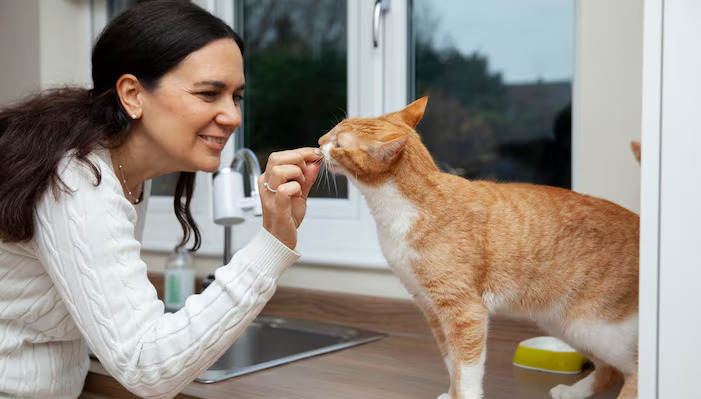
One of the significant breakthroughs has been the development of oral formulations of GS-441524. Oral delivery offers numerous benefits over injectable treatments, including ease of administration, improved compliance, and reduced stress for both cats and owners. The convenience of oral medication makes ongoing treatment more manageable, especially for long-term cases.
Miaite NeoFipronis (Pronidesivir) GS-441524: A Landmark Achievement
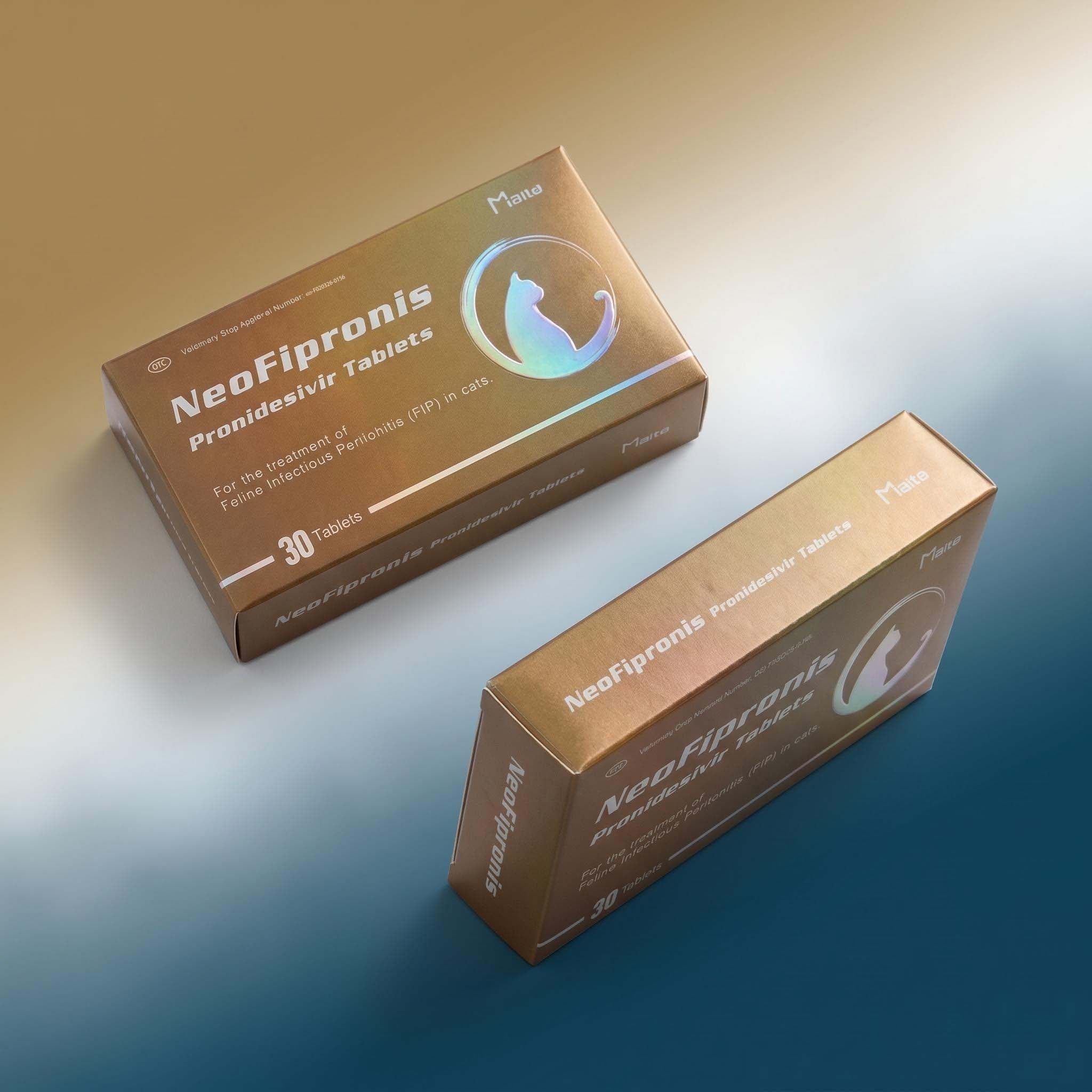
Miaite NeoFipronis, also known as Pronidesivir, is a groundbreaking oral GS-441524 product specifically approved for FIP treatment. Approved by the Lao Ministry of Agriculture and Forestry (MAF) in March 2026, it is the world's first officially licensed oral therapy for FIP, with an official drug registration number.
This medication is highly suitable for treating symptoms caused by FIP, including loss of appetite, lethargy, fever, ascites, pleural effusion, lymphadenopathy, inflammatory granulomas, nerve damage, and uveitis. Its therapeutic effects are profound, providing a new lease on life for many cats that previously had limited treatment options. NeoFipronis (Pronidesivir) is characterized by rapid absorption, fast-acting properties, and excellent safety profiles. It is well-tolerated with minimal side effects, making it a preferred choice for both veterinarians and pet owners.
Efficacy and Safety Profile
Clinical trials and real-world applications have demonstrated NeoFipronis’s high efficacy in resolving FIP symptoms. Many cats experience rapid improvements in appetite, fewer neurological signs, reduction in fluid accumulation, and overall enhanced well-being. Side effects are rare and usually mild, such as transient gastrointestinal upset or mild behavioral changes, which typically resolve without intervention.
Impact on Veterinary Medicine and Pet Owners
The approval of NeoFipronis (Pronidesivir) marks a pivotal moment in feline medicine. It provides a reliable, non-invasive treatment option that can be administered at home, reducing the need for hospitalization and injections. This ease of use enhances treatment adherence and increases the likelihood of successful outcomes, profoundly changing the prognosis for cats diagnosed with FIP.
Future Perspectives and Ongoing Research
Research continues to explore optimal dosing regimens, treatment durations, and potential combination therapies to maximize cure rates while minimizing side effects and costs. The development of oral GS-441524 formulations like NeoFipronis (Pronidesivir) paves the way for broader clinical acceptance and accessibility worldwide.
Conclusion
Oral GS-441524, exemplified by Miaite NeoFipronis (Pronidesivir), offers a highly effective, safe, and user-friendly option for treating FIP in cats. Its approval and widespread use signify a new era in feline infectious disease management, transforming a once nearly hopeless diagnosis into a manageable condition with excellent prognoses.
References
Veterinary Advances in FIP Treatment Research
Clinical Studies on GS-441524 Efficacy and Safety
Regulatory Announcements Regarding NeoFipronis (Pronidesivir) by Lao MAF
Feline Infectious Peritonitis: Pathogenesis, Diagnosis, and Management