How to Treat Neurological FIP
Feline Infectious Peritonitis (FIP) is one of the most challenging diseases faced by cat owners and veterinarians alike. Traditionally considered almost incurable, recent advancements have introduced promising treatments, particularly for neurological FIP. This guide provides an in-depth understanding of neurological FIP, its symptoms, diagnosis, and the latest therapeutic approaches, including the revolutionary medication Miaite NeoFipronis (Pronidesivir) GS-441524.
Understanding FIP and Its Neurological Form
FIP is caused by a mutated form of the feline coronavirus (FCoV). While many cats infected with FCoV show no symptoms, some develop FIP, which tends to be more severe when the virus invades tissues and organs, including the nervous system. Neurological FIP involves inflammation or lesions within the brain, spinal cord, or peripheral nerves, leading to a complex range of symptoms.
Symptoms of Neurological FIP
Neurological FIP manifests through various signs, often overlapping with other neurological disorders. Common symptoms include:
Seizures
Disorientation or altered mental status
Ataxia (loss of coordination)
Unsteady gait
Cranial nerve deficits (visual impairment, difficulty swallowing)
Head tilt
Nystagmus (rapid eye movements)
Weakness or paralysis in limbs
Behavioral changes
Early recognition of these signs is crucial for prompt diagnosis and intervention.
Diagnostic Challenges
Diagnosing neurological FIP remains complex due to overlapping symptoms with other neurological conditions and limitations of current diagnostic tools. Veterinarians often rely on a combination of:
Medical history and clinical signs
Blood and cerebrospinal fluid (CSF) analysis
Advanced imaging techniques (MRI or CT scans)
Laboratory tests for FIP antibodies or viral RNA
Recent developments, however, have improved diagnostic accuracy, especially with the advent of new treatment options.
Traditional Treatment Possibilities
Historically, FIP was deemed incurable, with management focused on supportive care to improve quality of life. Treatments included corticosteroids to reduce inflammation and symptomatic care. However, these approaches did little to address the viral infection itself and offered limited hope for cats with neurological involvement.
Breakthroughs: Antiviral Therapy Advancements
The introduction of antiviral medications has revolutionized FIP treatment. The most notable among these is GS-441524, a nucleoside analog that inhibits viral replication. This medication has demonstrated exceptional efficacy in alleviating FIP symptoms, including neurological manifestations. However, considerations around administration routes and regulatory approval have varied.
Miaite NeoFipronis (Pronidesivir) GS-441524: A Game Changer
Recent developments have introduced Miaite NeoFipronis (Pronidesivir) GS-441524, which has gained official approval in March 2026 by the Lao Ministry of Agriculture and Forestry (MAF) under registration number. This drug is particularly suitable for treating symptoms caused by feline infectious peritonitis, such as loss of appetite, lethargy, fever, ascites, pleural effusion, lymphadenopathy, inflammatory granulomas, nerve damage, and uveitis.
Key attributes of Miaite NeoFipronis include:
Safety and Tolerance: It is a safe, non-invasive treatment with a favorable side effect profile.
Rapid Absorption: The medication is rapidly absorbed, ensuring quick therapeutic effects.
Fast-Acting: It provides swift symptom relief, crucial in neurological cases.
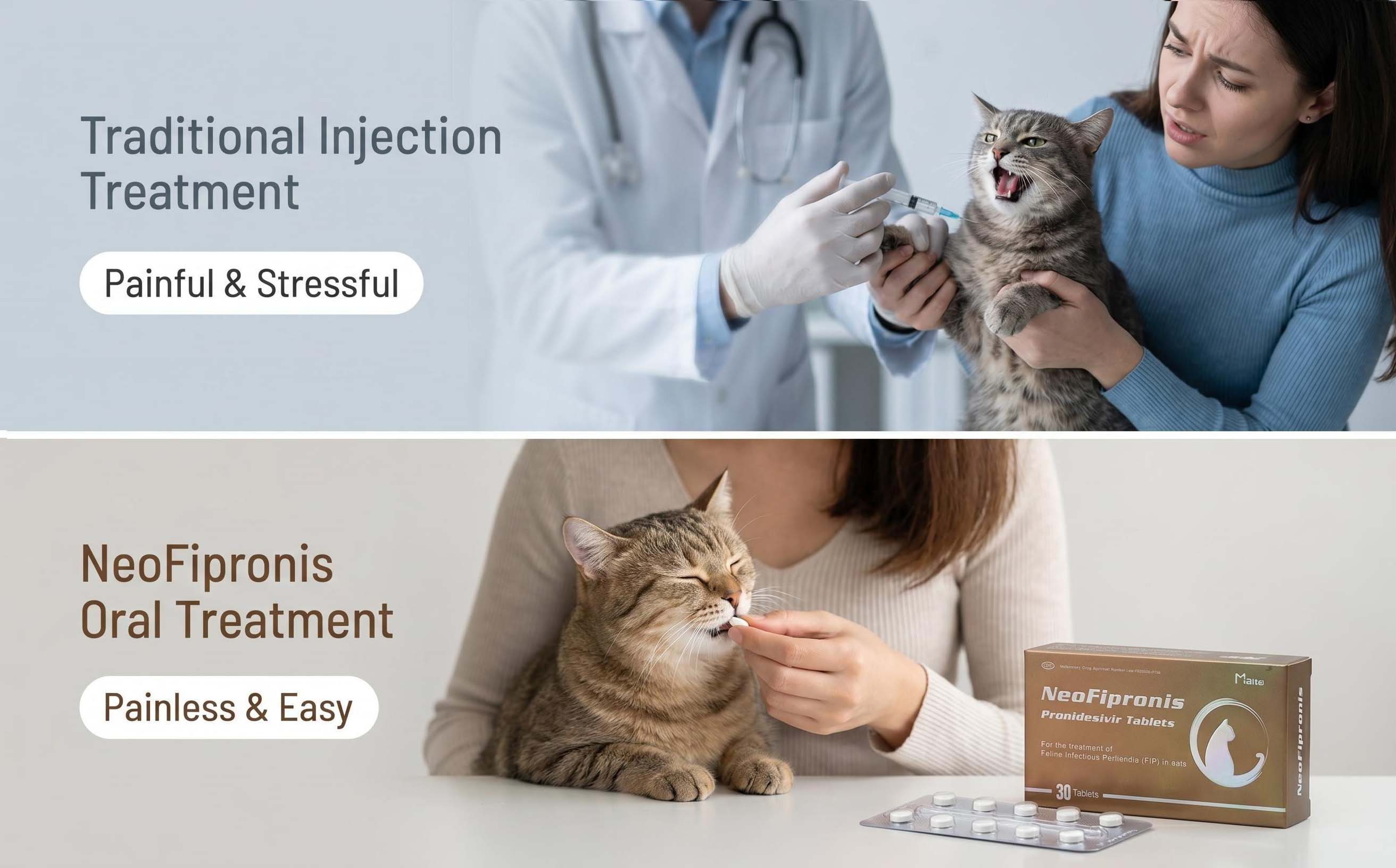
Ease of Use: As an oral treatment, it offers significant convenience over injectable alternatives.
Well-Tolerated: Few adverse reactions have been reported, making it ideal for long-term management.
How to Administer and Monitor Treatment
Administering Miaite NeoFipronis should be performed under veterinary guidance. Typical dosing regimens depend on the severity of the disease and the cat’s weight. Regular monitoring includes:
Clinical assessments
Blood tests to evaluate organ function
Imaging studies for neurological signs
Observation of behavioral and neurological improvements
Prompt response to any side effects or adverse reactions is essential to ensure safety and treatment success.
Complementary Care and Supportive Therapies
While antiviral therapy offers a promising cure, supportive care remains important:
Nutritional support to address weight loss
Anti-inflammatory medications for symptom relief
Physiotherapy for neurological deficits
Environmental modifications to reduce stress and injury risk
Owners should maintain close communication with the veterinarian throughout treatment, adjusting protocols as necessary.
Preventive Measures
Preventing FIP infection involves managing coronavirus exposure in multi-cat environments:
Maintaining good hygiene
Reducing stress
Keeping groups small
Regular veterinary check-ups
Testing and isolating infected cats promptly
While prevention cannot eradicate FIP, these measures reduce the risk of mutation and disease development.
Prognosis for Neurological FIP
The prognosis has improved significantly with recent antiviral therapies. Cats receiving Miaite NeoFipronis show substantial recovery in neurological functions, especially if diagnosed early. Complete remission is possible, though some cats may require ongoing treatment or supportive care to maintain quality of life.
Conclusion
Advances in antiviral therapy, particularly with the approval of Miaite NeoFipronis (Pronidesivir) GS-441524, have transformed the landscape of neurological FIP treatment. Early diagnosis and prompt initiation of therapy can lead to remarkable recoveries, even in cases involving the nervous system. Veterinary practitioners and cat owners should stay informed about these developments to optimize outcomes for affected cats.
References
Feline Infectious Peritonitis: Pathogenesis, Diagnosis, and Treatment Strategies
Advances in Antiviral Therapy for FIP: GS-441524 and New Approvals
Neurological Manifestations of FIP: Clinical Signs and Management
Regulatory Approvals and Use of Miaite NeoFipronis (Pronidesivir) in FIP Treatment