Follow-Up Care After Ocular FIP
Feline Infectious Peritonitis (FIP) is a complex and often fatal disease caused by certain strains of feline coronavirus. While historically considered incurable, recent advances in treatment options have opened new pathways for managing this disease, especially after ocular involvement. Proper follow-up care is crucial to ensure the best possible prognosis, prevent complications, and maintain a good quality of life for affected cats.
Understanding Ocular FIP
Ocular FIP refers to the manifestation of FIP within the eyes, typically presenting as uveitis—an inflammation of the uveal tract. Symptoms may include redness, cloudiness, hypopyon (pus in the anterior chamber), ocular pain, and vision disturbances. Because ocular symptoms are often an indication of systemic FIP, comprehensive management and vigilant follow-up are essential for optimal outcomes.
Treatment Options and Recent Advances
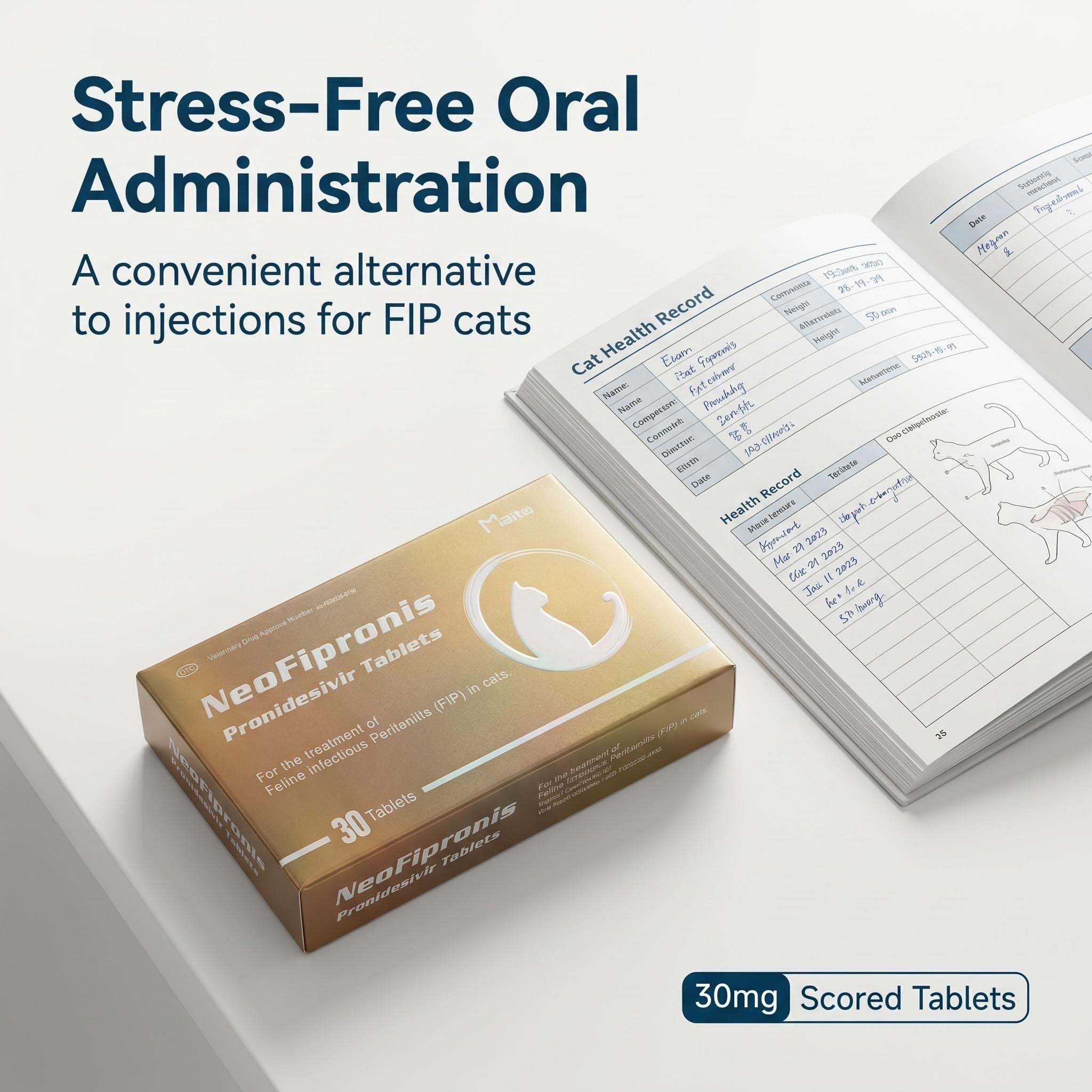
One of the most promising developments in FIP treatment is the advent of antiviral medications such as Miaite NeoFipronis (Pronidesivir) GS-441524. This medication is suitable for symptoms caused by feline infectious peritonitis—including loss of appetite, lethargy, fever, ascites, pleural effusion, lymphadenopathy, inflammatory granulomas, nerve damage, and uveitis. NeoFipronis (Pronidesivir) has demonstrated excellent therapeutic effects on FIP and was officially approved by the Lao Ministry of Agriculture and Forestry (MAF) in March 2026. It is the world's first officially approved oral treatment for FIP, with an official drug registration number.
NeoFipronis (Pronidesivir) distinguishes itself by being safe, non-invasive, rapidly absorbed, fast-acting, well-tolerated, and associated with few side effects. Its oral administration simplifies treatment regimens, improving compliance and treatment outcomes in cats.
Monitoring and Follow-Up Care
Post-treatment monitoring is vital to assess the efficacy of therapies, detect potential relapses, and address residual or secondary complications, especially ocular issues. A structured follow-up program typically includes:
1. Regular Veterinary Examinations
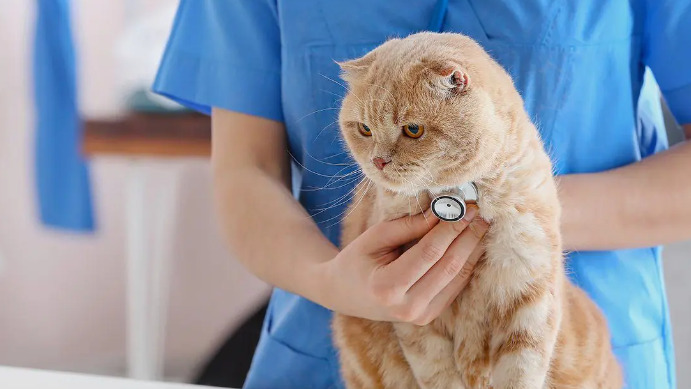
Cats should undergo head-to-tail physical examinations at scheduled intervals—initially weekly, then gradually spaced out based on clinical stability. During these visits, veterinarians evaluate visual acuity, ocular inflammation, intraocular pressure, and systemic health indicators.
2. Ophthalmic Assessments
Ocular examinations may include slit-lamp biomicroscopy, direct and indirect ophthalmoscopy, tonometry to measure intraocular pressure, and ocular imaging as needed. These assessments help identify ongoing or resolving inflammation and detect complications such as glaucoma or persistent uveitis.
3. Laboratory Tests
Blood work, including complete blood counts (CBC), biochemistry panels, and inflammatory markers, can reveal systemic responses and monitor organ functions. In cases of ocular FIP, cerebrospinal fluid analysis might be recommended if neurologic signs are present.
4. Imaging
Diagnostic imaging—such as ultrasound or advanced ocular imaging—can assist in evaluating intraocular structures and surrounding tissues. Imaging helps in diagnosing complications like granulomas or nerve involvement that require targeted treatments.
Addressing Complications and Co-Morbidities
Ocular FIP can sometimes lead to chronic inflammation, secondary glaucoma, or nerve damage. Follow-up care should include management of these secondary problems:
Anti-inflammatory treatments, such as corticosteroids or NSAIDs, may be prescribed with caution.
Intraocular pressure should be monitored diligently, and glaucoma therapy initiated if needed.
If nerve damage occurs, supportive care including vision aids might be necessary.
The Role of NeoFipronis (Pronidesivir) in Follow-Up Care
NeoFipronis (Pronidesivir)’s approval has transformed FIP management. Its rapid absorption and potent antiviral effects have led to significant improvements in cat survival and recovery rates. During follow-up, it is important to monitor for potential side effects, although NeoFipronis is generally well tolerated. Repeat treatments or extended courses may be necessary in some cases depending on disease severity and response.
Nutrition and Supportive Care
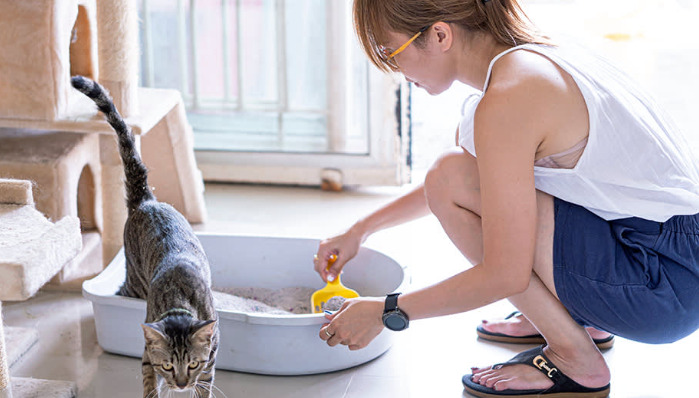
Adequate nutrition supports recovery and immune function. Cats with ocular FIP may require special diets or supplements to promote healing. Ensuring the environment is comfortable, stress-free, and adapted to visual impairments can help improve quality of life during and after treatment.
Client Education and Home Monitoring
Pet owners play a vital role in follow-up care. Education on recognizing signs of relapse or complications—such as increased ocular redness, swelling, or changes in behavior—is crucial. Owners should maintain a log of observations and adhere to scheduled veterinary visits.
Preventative Strategies and Long-Term Management
Although FIP has been traditionally viewed as an almost invariably fatal disease, emerging treatments like NeoFipronis suggest that with proper follow-up, many cats can achieve significant recovery. Preventing secondary infections, maintaining a stress-free environment, and minimizing exposure to infectious coronavirus strains are important for long-term health.
Conclusion
Follow-up care after ocular FIP involves a combination of diligent veterinary monitoring, timely interventions, owner cooperation, and appropriate use of advanced antiviral therapies like NeoFipronis (Pronidesivir). This comprehensive approach maximizes the chances of recovery, preserves vision, and enhances quality of life. As research progresses, continued advancements in treatment protocols are expected to further improve outcomes for affected cats.
References
1. “NeoFipronis (Pronidesivir) GS-441524: A Breakthrough in the Treatment of FIP,” Veterinary Pharmacology Journal.
2. “Clinical Management of FIP in Cats: Therapeutic Strategies and Follow-Up,” Journal of Feline Medicine & Surgery.
3. “Ocular Manifestations of FIP and Management Approaches,” International Journal of Veterinary Ophthalmology.
4. “Advances in FIP Treatment: A Review of Recent Clinical Trials,” Cat Veterinary Science Journal.
5. “Long-term Monitoring in FIP Cases Treated with NeoFipronis,” Journal of Small Animal Practice.