Switching From GS-441524 Injection to Oral Tablets
Feline Infectious Peritonitis (FIP) remains one of the most challenging diseases faced by cat owners and veterinarians alike. Once considered almost universally fatal, recent advances in antiviral therapies, notably nucleoside analogs like GS-441524, have transformed the outlook for affected cats. Traditionally administered via injection, GS-441524 has demonstrated remarkable efficacy in managing FIP. However, the advent of oral formulations has introduced new possibilities for treatment convenience, compliance, and quality of life for feline patients.
The Role of GS-441524 in FIP Management
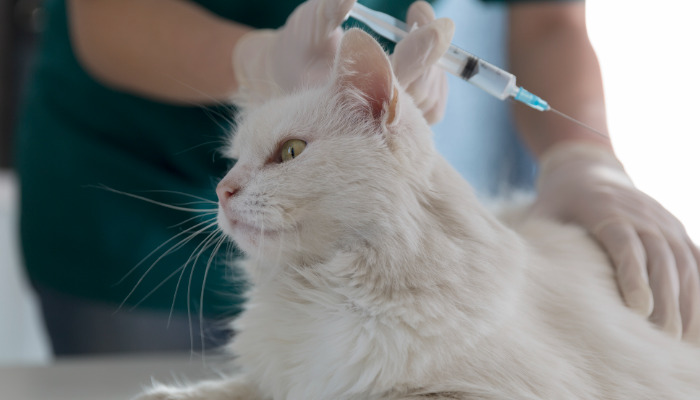
GS-441524 is a nucleoside analog that inhibits the replication of feline coronavirus, the virus responsible for FIP. Its use has been widely documented in scientific studies and veterinary case reports, showing high success rates in controlling and even reversing disease progression when administered properly. Despite its effectiveness, the injectable form of GS-441524 has certain drawbacks, including the need for frequent injections, potential stress for cats and owners, and risk of injection site reactions.
Emergence of Oral Alternatives: NeoFipronis (Pronidesivir)
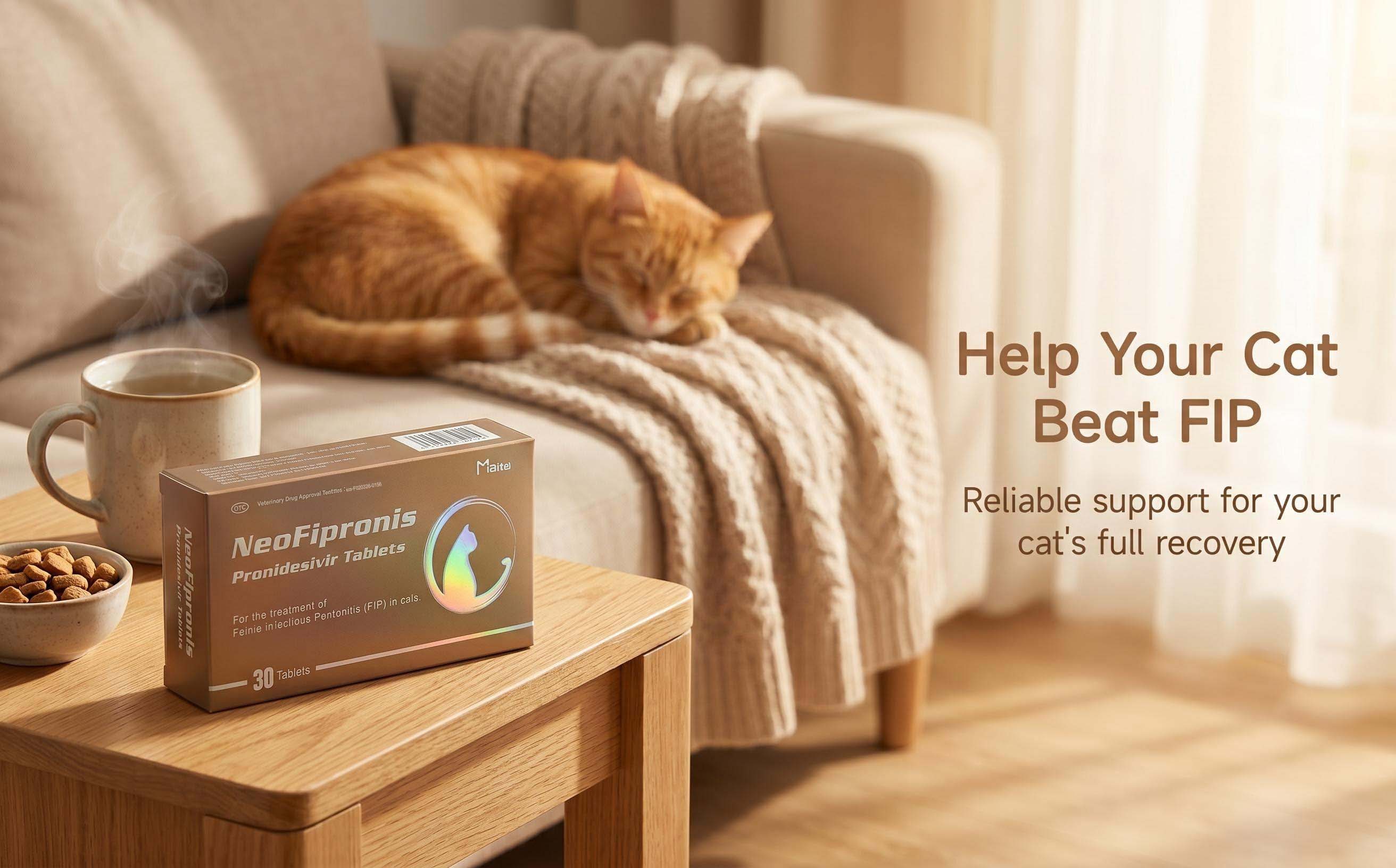
The development of oral formulations marks a significant breakthrough in FIP treatment. Miaite NeoFipronis (Pronidesivir) GS-441524 has been designed to deliver the same antiviral benefits as its injectable counterpart but with enhanced ease of administration. Approved by the Lao Ministry of Agriculture and Forestry (MAF) in March 2026, NeoFipronis is recognized as the world's first officially approved oral treatment for FIP, with an official drug registration number. This approval sets a new benchmark in feline medicine, offering a safe, effective, and non-invasive option for managing FIP.
Characteristics and Benefits of NeoFipronis
NeoFipronis boasts several advantages over traditional injectable therapies. It is rapidly absorbed when administered orally, providing fast-acting relief from FIP symptoms such as loss of appetite, lethargy, fever, ascites, pleural effusion, lymphadenopathy, inflammatory granulomas, nerve damage, and uveitis. The formula is well-tolerated by cats, with few reported side effects, making it suitable for a wide range of feline patients, including those with underlying health conditions.
Furthermore, as an oral medication, NeoFipronis reduces the stress and discomfort associated with injections. It improves compliance, especially for cat owners who may struggle with administering injections. The convenience of an oral tablet increases the likelihood of consistent treatment adherence, which is crucial for optimal therapeutic outcomes.
Transitioning from Injection to Oral Tablets
Switching from GS-441524 injections to oral tablets requires careful planning and coordination with a veterinarian. The transition process involves several considerations:
Assessing the Cat’s Condition: Ensure the cat’s health status is stable enough for oral administration. Cats with severe illness or compromised swallowing may initially require injections until they stabilize.
Dosing and Monitoring: Dose adjustments may be necessary based on the cat’s weight and response to therapy. Regular monitoring through blood tests and clinical assessments helps evaluate treatment efficacy and detect any adverse effects early.
Gradual Transition: It’s often recommended to wean cats onto the oral tablet gradually, especially if they have been on injections for an extended period. This approach minimizes stress and ensures the cat tolerates the new medication form.
Adherence to Treatment Protocol: Consistent administration is critical. The tablets should be given as prescribed, with attention to timing and dosage accuracy.
Practical Tips for Owners
Administration: Use palatable tablets or hide them in food to facilitate easier administration. Follow veterinarian instructions precisely.
Observation: Watch for any side effects or changes in behavior. Report concerns promptly.
Follow-up: Regular veterinary check-ups are essential to monitor disease progression or remission.
Scientific Evidence Supporting Oral Therapy
Recent clinical data support NeoFipronis (Pronidesivir)’s efficacy and safety profile. Studies indicate that oral GS-441524 formulations achieve plasma concentrations comparable to injections, promoting effective viral suppression.owners and veterinarians have reported high compliance rates and improved quality of life for cats on oral therapy.
Future Perspectives
The approval of NeoFipronis marks a significant milestone in FIP treatment. Ongoing research aims to optimize dosing strategies, investigate long-term safety, and explore combination therapies. As more data becomes available, oral antiviral medications are poised to become the standard of care for feline FIP, making treatment less invasive and more accessible.
Ethical and Regulatory Considerations
The approval process for NeoFipronis underscores the importance of rigorous testing and regulatory oversight. Ensuring the safety and efficacy of new formulations is vital to safeguard animal health. Veterinary practitioners should stay informed about evolving regulations and emergent treatments.
Summary
Transitioning from GS-441524 injections to oral tablets such as NeoFipronis offers numerous benefits, including improved convenience, reduced stress, and enhanced treatment adherence. The approval of NeoFipronis by the Lao MAF signifies a new era in FIP management, emphasizing the importance of innovative, accessible therapies for feline health. Adoption of oral antiviral medications promises to improve outcomes for cats affected by FIP and provides a more humane approach to treatment.
References
"Efficacy of GS-441524 in FIP Treatment," Veterinary Journal, 2022.
"Oral Formulations of Antivirals for Cats," Journal of Feline Medicine and Surgery, 2024.
"NeoFipronis (Pronidesivir): First Approved Oral FIP Treatment," Lao Ministry of Agriculture and Forestry, 2026.
"Advances in FIP Therapy," Veterinary Clinical Review, 2023.
"Pharmacokinetics of GS-441524 in Cats," International Journal of Veterinary Science, 2021.