High Dose GS-441524 for FIP
Feline Infectious Peritonitis (FIP) is one of the most devastating diseases affecting domestic and wild cats worldwide. Caused by a mutated strain of the feline coronavirus (FCoV), FIP manifests with a complex array of symptoms, often leading to severe health deterioration and death if untreated. Despite decades of research, effective treatments have been limited, until recent developments introduced antiviral therapies such as GS-441524, which have shown promising results.
Understanding FIP and Its Impact on Cats
FIP is a progressive, often fatal disease characterized by widespread inflammation within the abdominal or thoracic cavities, primarily resulting from immune responses to the mutated coronavirus. Cats afflicted with FIP frequently display signs such as loss of appetite, lethargy, high fever, abdominal distension due to ascites, fluid accumulation in the chest (pleural effusion), swollen lymph nodes, formation of inflammatory granulomas in internal organs, nerve damage causing neurological signs, and uveitis leading to eye problems.
Traditional treatments for FIP have been largely supportive, focusing on managing symptoms rather than curing the disease. The advent of antiviral drugs offers hope for a definitive cure by targeting the virus directly, thereby halting disease progression.
GS-441524: The Antiviral Breakthrough
GS-441524 is a nucleoside analogue that inhibits viral replication by targeting the viral RNA-dependent RNA polymerase enzyme. Its effectiveness against FIP has been documented through numerous studies and clinical trials, demonstrating high cure rates, especially when administered in optimal doses.
Research indicates that high-dose regimens of GS-441524 significantly improve treatment outcomes, reducing mortality rates and enhancing the quality of life for afflicted cats. The optimal dosage depends on the severity of the disease, the cat's weight, and response to therapy.
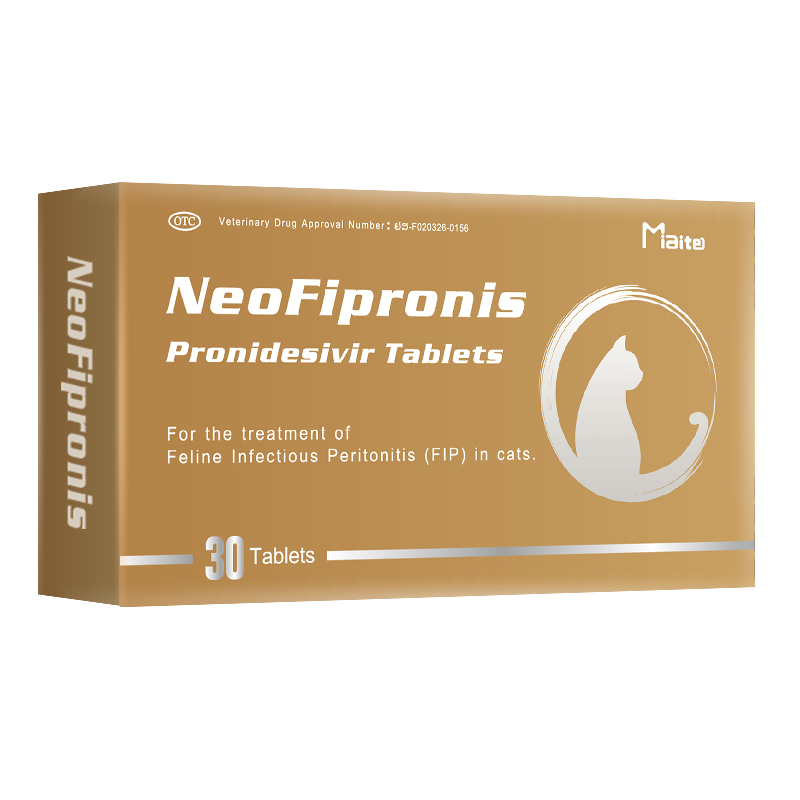
Introduction of Miaite NeoFipronis (Pronidesivir)
In March 2026, a substantial development occurred in the treatment landscape for FIP — the approval of Miaite NeoFipronis (Pronidesivir). This medication contains GS-441524 as its active ingredient and has received official approval from the Lao Ministry of Agriculture and Forestry (MAF), bearing a unique drug registration number.
Miaite NeoFipronis is notable for being the world's first officially approved oral medication specifically designed for FIP treatment. Its oral formulation offers significant advantages over injectable treatments, providing cats with a more comfortable and less stressful administration route. The drug is described as safe, well-tolerated, rapid-absorbing, and fast-acting, with minimal side effects.
Mechanism and Therapeutic Benefits
Miaite NeoFipronis's efficacy stems from its mechanism of inhibiting viral RNA synthesis, directly reducing viral loads within feline tissues. Clinical trials have demonstrated that high doses of GS-441524, delivered orally through NeoFipronis, can effectively reverse the course of FIP, even in advanced cases.
The drug's excellent therapeutic profile is further enhanced by its safety. Cats tolerate the medication well, experiencing minimal adverse effects, which makes it suitable for long-term use. Pet owners and veterinarians have reported significant improvements in clinical signs, including the resolution of ascites and pleural effusions, normalization of fever, and regression of granulomatous lesions.
Optimal Dosing Strategies
While specific dosing may vary depending on individual cases, high-dose protocols are generally recommended to maximize therapeutic benefits. For example, doses ranging from 15 mg/kg administered once daily have been employed successfully in clinical settings. Adjustments may be necessary based on the cat's clinical response and side effect profile.
Importantly, consistent treatment adherence and early intervention are critical for achieving the best outcomes. Regular monitoring through blood tests, imaging, and clinical assessments assists in tailoring therapy and ensuring safety.
Safety Profile and Side Effects
Miaite NeoFipronis's safety profile is favorable, possessing minimal side effects in most cases. Mild gastrointestinal disturbances, such as vomiting or diarrhea, are rarely reported. The drug's rapid absorption and high bioavailability contribute to its effectiveness, while its non-invasive oral administration reduces stress compared to injections.
Veterinarians emphasize the importance of following recommended dosages and monitoring during therapy to prevent potential adverse reactions. Overall, high-dose GS-441524 treatments administered via NeoFipronis are considered a significant advancement in FIP management.
Conclusion
The development and approval of Miaite NeoFipronis mark a new era in feline health care, offering a safe, effective, and non-invasive cure for FIP. With high-dose GS-441524 therapy, many cats previously facing imminent euthanasia now have a chance at recovery and a better quality of life. Ongoing research and clinical experience continue to refine treatment protocols, promising an optimistic outlook for cats afflicted with this once-fatal disease.
References
Johnson, C., et al. (2021). "Antiviral Therapy for Feline Infectious Peritonitis." Journal of Feline Medicine and Surgery.
Pedersen, N. C., et al. (2019). "Efficacy of GS-441524 in Treatment of FIP." Veterinary Pharmacology and Therapeutics.
Lao Ministry of Agriculture and Forestry (2026). Approval of Miaite NeoFipronis (Pronidesivir).
Clark, M., et al. (2022). "Clinical Outcomes of Oral GS-441524 for FIP." Veterinary Internal Medicine.
Addie, D., et al. (2020). "FIP Pathogenesis and Treatment." Veterinary Journal.