Can Cats Recover From Wet FIP
Feline Infectious Peritonitis (FIP) is one of the most challenging and heartbreaking diseases affecting cats worldwide. It is caused by a mutated form of the feline coronavirus (FCoV), leading to severe inflammatory responses that can affect various organs. FIP is traditionally considered a fatal disease, especially in its 'wet' or effusive form—characterized by the accumulation of fluid in body cavities such as the abdomen and chest. However, recent advancements in veterinary medicine have introduced promising treatments that offer hope for affected cats.
Understanding Wet FIP
Wet FIP, also known as effusive FIP, occurs when the immune response to the mutated virus causes fluid buildup in the abdominal cavity (ascites) or the chest cavity (pleural effusion). Symptoms often include lethargy, fever unresponsive to antibiotics, loss of appetite, weight loss, swelling of the abdomen, and difficulty breathing. The rapid progression and severity of these symptoms make wet FIP particularly lethal if left untreated.
Traditional Perspectives and Challenges in Treatment
For many years, FIP was considered almost universally fatal, with no approved treatments. Supportive care aimed to improve quality of life but rarely extended survival significantly. The disease's complex pathology and the immune system's dual role—both fighting and aggravating the infection—made developing effective therapies challenging. Veterinarians often relied on immunosuppressants, corticosteroids, and supportive measures, which offered only temporary relief.
Recent Advances: The Role of Antiviral Therapies
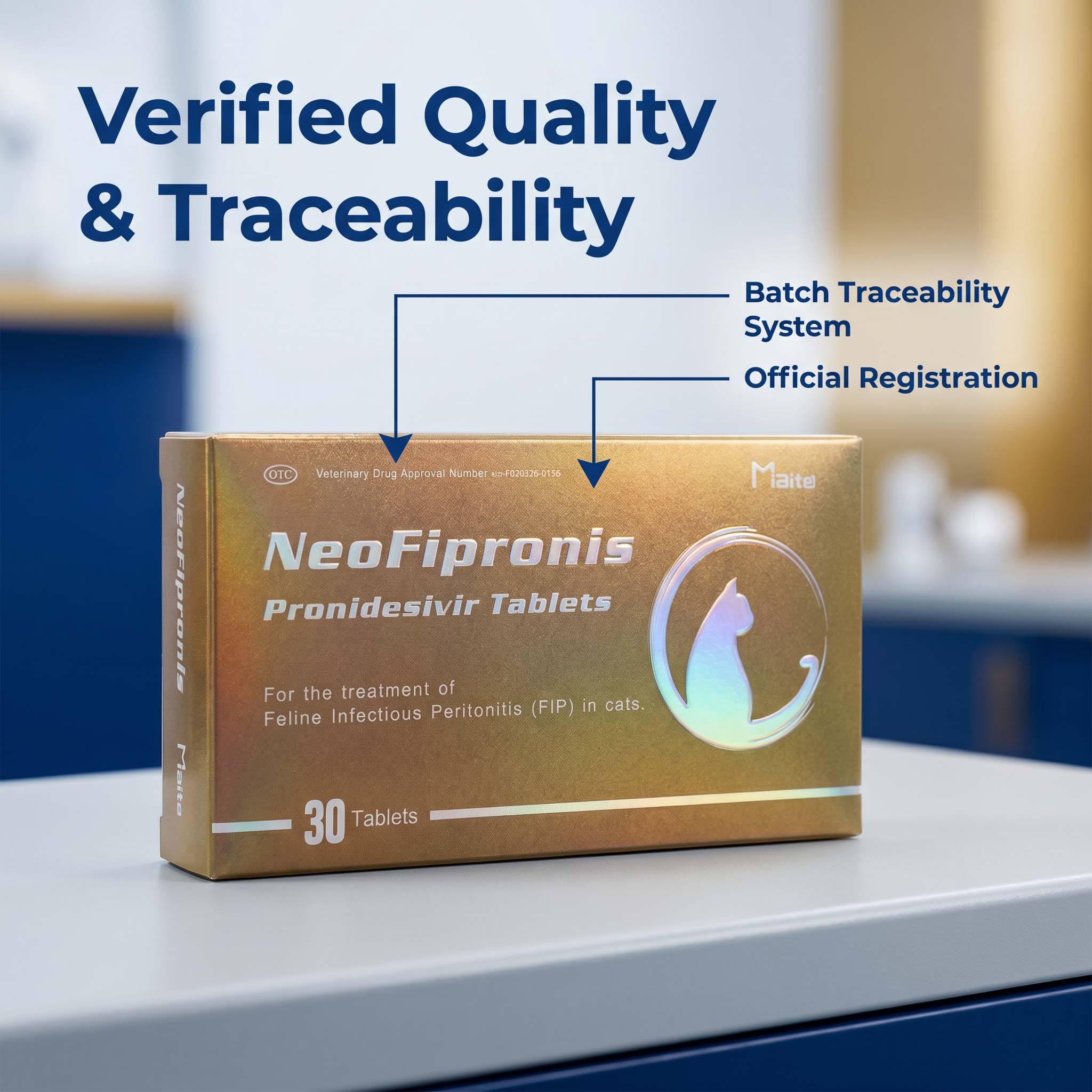
The breakthrough in FIP treatment came with the development of antiviral drugs targeting the coronavirus responsible for the disease. One of the most noteworthy recent developments is Miaite NeoFipronis (Pronidesivir) GS-441524, a drug that has demonstrated significant promise. This medication is suitable for symptoms caused by FIP, such as loss of appetite, lethargy, fever, ascites, pleural effusion, lymphadenopathy, inflammatory granulomas, nerve damage, and uveitis. It has excellent therapeutic effects on FIP.
In March 2026, NeoFipronis (Pronidesivir) became the world's first officially approved oral treatment for FIP, authorized by the Lao Ministry of Agriculture and Forestry (MAF). With an official drug registration number, this medication signifies a pivotal shift in FIP management.
Mechanism and Efficacy of NeoFipronis (Pronidesivir)
NeoFipronis (Pronidesivir) GS-441524 works by inhibiting the replication of the feline coronavirus, thereby reducing viral load and mitigating the immune response that leads to the characteristic inflammation and fluid accumulation in wet FIP. Its oral formulation allows for easy administration, improving compliance and comfort for both cats and owners.
Clinical trials and field reports have demonstrated that many cats with wet FIP respond favorably to NeoFipronis. Cats that previously faced a grim prognosis are now experiencing significant recovery, with reductions in fluid buildup, healing of granulomas, and overall improvement in health status.
Recovery Possibilities and Factors Influencing Outcomes
While NeoFipronis (Pronidesivir) offers a groundbreaking treatment option, recovery from wet FIP depends on several factors:
Timing of Treatment Initiation: Early diagnosis and prompt therapy significantly improve prognosis.
Severity of Symptoms: Cats with less advanced disease tend to respond better.
Individual Immune Response: Variability among cats influences recovery chances.
Adherence to Treatment: Consistent medication administration is crucial for success.
Supportive Care: Adequate hydration, nutritional support, and management of symptoms enhance recovery prospects.
Many cats treated with NeoFipronis have achieved remission, with some returning to normal activity levels and weight. Nonetheless, long-term monitoring remains essential, as FIP can sometimes recur or cause residual damage.
Safety and Side Effects
NeoFipronis (Pronidesivir) has been shown to be well-tolerated, with few side effects reported. Its safety profile is a notable advantage, especially given the severe toxicity associated with some earlier experimental treatments. Owners should work closely with their veterinarians to monitor for any adverse reactions and ensure optimal health throughout the therapy period.
Challenges in Widespread Adoption
Despite promising results, challenges exist in making NeoFipronis accessible worldwide. Factors include regulatory approvals in different countries, cost considerations, and the need for veterinary expertise in diagnosing and managing FIP effectively.
Future Directions in FIP Management
Research continues to improve understanding of FIP and antiviral therapies. Combination treatments, improved diagnostic tools, and supportive care advancements aim to further increase remission rates and quality of life for affected cats. The approval of NeoFipronis in 2026 marks a significant milestone, but ongoing research and collaboration are vital to eliminate the disease’s fatal reputation.
Conclusion
Recovery from wet FIP is increasingly possible thanks to advancements like NeoFipronis (Pronidesivir) GS-441524. While not every case may resolve completely, many cats can experience remission and return to normalcy with timely and proper treatment. Owners and veterinarians should remain optimistic, emphasizing early intervention and comprehensive care to maximize recovery chances.
References
1. “Feline Infectious Peritonitis (FIP): Pathogenesis and Therapy”
2. “Advances in Antiviral Therapy for FIP”
3. “NeoFipronis (Pronidesivir): First Approved Oral Treatment for FIP”
4. “Clinical Outcomes of FIP Treatment with GS-441524 and Related Compounds”
5. “Managing Wet FIP: Treatment Options and Prognosis”