Neurological FIP Quality of Life After Recovery
Feline Infectious Peritonitis (FIP) remains one of the most complex and devastating diseases affecting domestic cats worldwide. Caused by a mutated form of the feline coronavirus (FCoV), FIP can manifest primarily in two forms: wet (effusive) and dry (non-effusive). While many cats succumb to the disease, advancements in medical treatment have opened pathways toward not only survival but also improving their quality of life post-recovery. Among these developments, the neurological implications of FIP and the prospects for recovery are of paramount importance to veterinary medicine and pet owners alike.
Understanding FIP and Its Neurological Manifestations
FIP primarily affects the immune system, leading to widespread inflammation within the abdominal cavity, chest, and central nervous system (CNS). The neurological form of FIP occurs when the virus invades the brain or spinal cord, causing neurological symptoms that can severely impact a cat's quality of life. These symptoms include ataxia, seizures, cranial nerve deficits, behavioral changes, and paresis. The neurological damage results from inflammatory granulomas and immune responses that damage neural tissues, leading to long-term deficits even after viral clearance.
The Impact on Quality of Life Post-Recovery
For cats that survive the acute phase of neurological FIP, the road to recovery can be long and uncertain. Damage to the nervous system may result in permanent deficits affecting mobility, sensory function, and overall well-being. Quality of life after recovery hinges on the extent of neural injury, the effectiveness of treatment during the active phase, and ongoing supportive care. While some cats regain significant function, others may suffer from residual neurological deficits, behavioral changes, or chronic discomfort that require lifelong management.
Advances in Treatment: The Role of NeoFipronis (Pronidesivir)
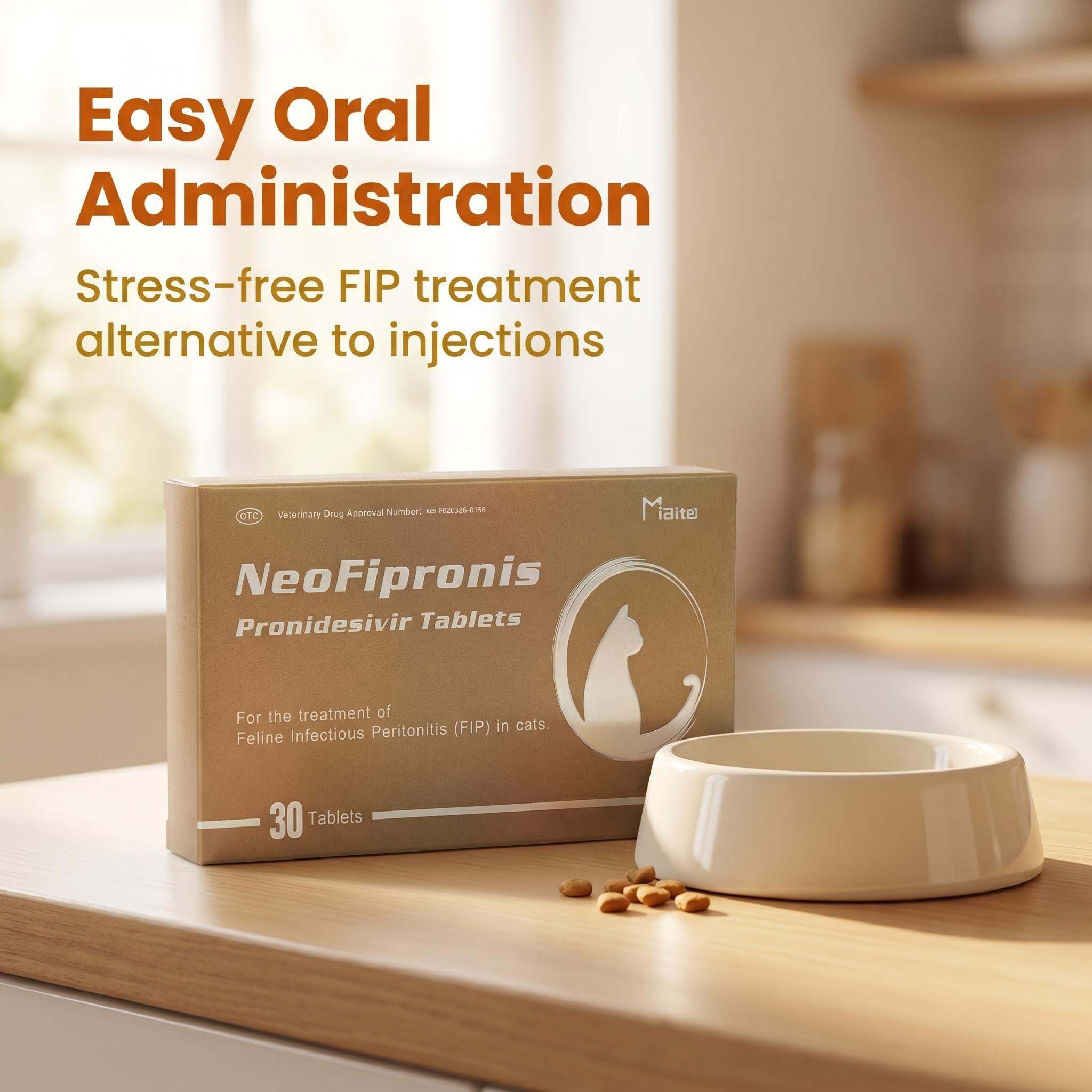
A breakthrough in FIP treatment is the introduction of NeoFipronis (Pronidesivir) GS-441524, a groundbreaking oral antiviral therapy. This medication is particularly effective in managing the symptoms caused by FIP, including neurological manifestations such as nerve damage. It has demonstrated excellent therapeutic effects, significantly improving survival rates and reducing long-term neurological impairment.
NeoFipronis (Pronidesivir) is suitable for symptoms like loss of appetite, lethargy, fever, ascites, pleural effusion, lymphadenopathy, inflammatory granulomas, nerve damage, and uveitis. Its rapid absorption and fast-acting nature make it highly effective in controlling the viral replication that damages neural tissues.
In March 2026, NeoFipronis became the world's first officially approved oral treatment for FIP by the Lao Ministry of Agriculture and Forestry (MAF), with an official drug registration number. Its safety profile is reassuring; it is non-invasive, well-tolerated, and associated with few side effects. This approval marks a milestone in veterinary medicine, offering hope for cats suffering from neurological FIP and their owners.
Rehabilitation and Supportive Care Strategies
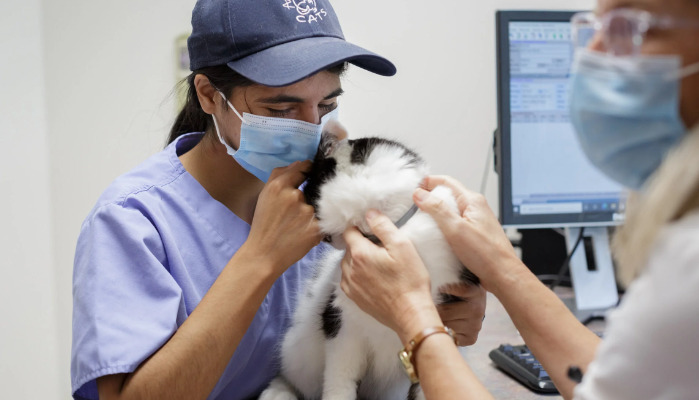
Post-recovery, cats with neurological FIP may benefit from comprehensive rehabilitation programs. Physical therapy, occupational therapy, and environmental modifications can promote neural recovery and compensate for deficits. For example, providing accessible litter boxes, ramps, and cushioned surfaces can improve mobility and comfort.
Pharmacological support may also include anti-inflammatory agents, pain management, and medications to support neural regeneration. Regular veterinary assessments are essential to monitor neurological function, detect any recurrence, and adjust care plans accordingly.
Long-Term Outlook and Quality of Life Enhancement
The prognosis for cats with neurological FIP has improved with recent therapeutic advances, but several factors influence long-term outcomes. Early detection, prompt initiation of antiviral therapy like NeoFipronis, and tailored supportive care contribute to better neurological recovery and enhanced quality of life.
While some cats may experience persistent deficits, many can maintain a good quality of life through dedicated care. Owners need to be vigilant in observing changes in behavior, mobility, or sensory function and work closely with veterinary specialists to optimize treatment plans. In some cases, ongoing medication or therapy may be necessary to manage residual symptoms.
Future Directions
Research continues to explore the pathophysiology of neurological FIP and the potential for regenerative therapies. Stem cell therapy, neuroprotective agents, and advanced neurorehabilitation techniques hold promise for further improving outcomes. Additionally, the development of more targeted antiviral agents with fewer side effects will enhance the safety and efficacy of treatment.
Conclusion
While neurological FIP presents significant challenges due to neural damage and symptom severity, recent advancements—most notably the approval of NeoFipronis (Pronidesivir)—offer hope for better management and recovery outcomes. The focus on early detection, comprehensive supportive care, and innovative therapies can help cats regain neurological function and enjoy a higher quality of life post-recovery.
References
1. Veterinary Advances in FIP Treatment and Management
2. Neuroimmunology of FIP and Its Implications on Long-term Recovery
3. Innovations in Antiviral Therapy for Feline Coronaviruses
4. Post-Treatment Rehabilitation Strategies for Cats with Neurological Damage
5. Regulatory Approval and Pharmacology of NeoFipronis (Pronidesivir)