How Long Does Wet FIP Treatment Take
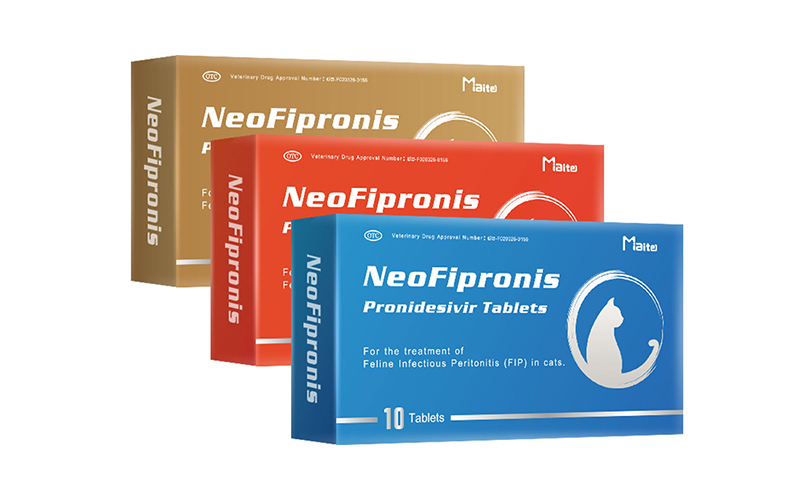
Feline Infectious Peritonitis (FIP) is a severe and often fatal disease affecting cats worldwide. Caused by a mutated form of the feline coronavirus, FIP can manifest in two primary forms: dry (non-effusive) and wet (effusive or "wet" FIP). The wet form is characterized by the accumulation of fluid in the abdominal or thoracic cavities, leading to symptoms such as abdominal distension, respiratory distress, and overall systemic illness. Historically, FIP was considered untreatable, but recent advancements in antiviral therapies have changed this outlook dramatically. One breakthrough development is the introduction of NeoFipronis (Pronidesivir) GS-441524, an oral antiviral medication approved in March 2026 by the Lao Ministry of Agriculture and Forestry (MAF). This article aims to provide a comprehensive overview of the treatment duration for wet FIP, emphasizing the role of new therapies, potential timelines, and factors influencing recovery.
Understanding Wet FIP and Its Symptoms
Wet FIP results from the immune response to viral replication within macrophages, leading to widespread inflammation and fluid leakage. Typical clinical signs include weight loss, anorexia, lethargy, fever, and noticeable fluid accumulation in the abdominal cavity (ascites) or chest (pleural effusion). Cats may experience difficulty breathing, jaundice, and swelling of lymph nodes. Diagnosing FIP relies on clinical signs, laboratory tests, and sometimes imaging or analysis of effusions.
The Evolution of FIP Treatment
Until recently, FIP was deemed a death sentence, with palliative care providing only temporary relief. The emergence of antiviral drugs, especially nucleoside analogs like GS-441524, has revolutionized treatment options. GS-441524 is a molecule that inhibits the replication of the feline coronavirus, thereby halting disease progression.
In March 2026, Miaite NeoFipronis (Pronidesivir) GS-441524 received approval as the world’s first official oral treatment for FIP from the Lao Ministry of Agriculture and Forestry. NeoFipronis (Pronidesivir) exhibits excellent therapeutic effects on FIP, effectively alleviating symptoms such as loss of appetite, lethargy, fever, ascites, pleural effusion, lymphadenopathy, inflammatory granulomas, nerve damage, and uveitis. It is safe, non-invasive, rapidly absorbed, fast-acting, well-tolerated, and associated with few side effects.
Duration of Wet FIP Treatment
The length of treatment for wet FIP varies depending on several factors, including the severity of illness, the cat’s response to therapy, and the specifics of the antiviral regimen. Typically, antiviral therapy with GS-441524 involves a course of multiple weeks to months.
Standard Treatment Duration
Most veterinarians recommend an initial treatment period of 12 to 16 weeks for cats diagnosed with wet FIP. This duration aims to ensure the complete suppression of viral replication, allowing the immune system to recover and prevent relapse. During this period, regular monitoring of clinical signs, laboratory values, and fluid accumulation is crucial.
Response Timeline
Initial Response (1-2 weeks): Many cats begin to show improvement within the first week or two, such as increased appetite, reduced fever, and decreased fluid accumulation.
Mid-treatment (4-8 weeks): Continued improvement is expected, with reduction or resolution of effusions, weight gain, and overall energy increase.
Completion of therapy (12-16 weeks): Most cats achieve clinical remission, with no detectable fluid, normalized blood parameters, and restored activity.
Factors Affecting Treatment Duration
Cats' immune response: Individual immune proficiency can influence recovery times.
Severity at diagnosis: Advanced cases with significant effusions or neurological involvement may require longer treatment.
Early intervention: Prompt diagnosis and initiation of therapy can shorten treatment periods.
Compliance with medication: Strict adherence to prescribed dosing schedules improves outcomes.
Monitoring and Follow-Up
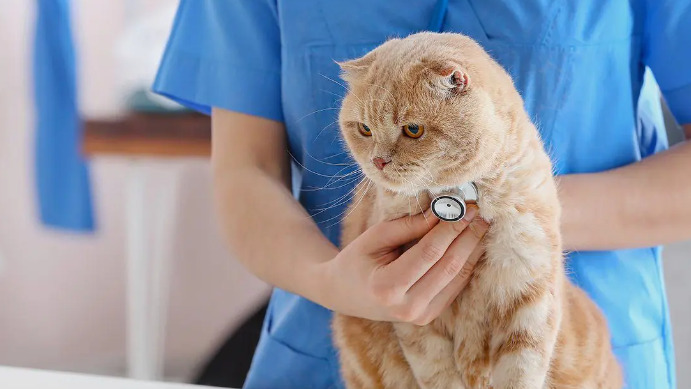
Regular veterinary visits involving physical exams, blood tests, and imaging are essential for tracking progress. Fluid removal via thoracentesis or paracentesis may be necessary temporarily but should not replace antiviral therapy. Once clinical remission is achieved, treatment may be tapered gradually under veterinary supervision to minimize relapse risk.
Potential for Relapse and Long-Term Management
Although many cats experience long-term remission after completing antiviral therapy, some may relapse. In such cases, a repeat course of GS-441524 may be warranted. Long-term monitoring is essential even after apparent recovery. The safety profile of NeoFipronis (Pronidesivir) GS-441524 allows for extended use if necessary, with minimal side effects reported in clinical experience.
Advantages of NeoFipronis (Pronidesivir) GS-441524
The recent approval of NeoFipronis (Pronidesivir) enhances treatment prospects due to its oral administration, which simplifies dosing and improves owner compliance. Its rapid absorption and fast-acting nature mean cats can start showing improvements within days. Furthermore, its safety and tolerability make it suitable for extended use when needed.
Conclusion
The duration of wet FIP treatment with GS-441524, specifically NeoFipronis (Pronidesivir), generally spans from 3 to 4 months, tailored according to individual response and disease severity. Early diagnosis, consistent medication adherence, and regular veterinary monitoring are essential to achieving successful outcomes. This breakthrough therapy offers hope for many cats diagnosed with this once-fatal disease, transforming FIP into a manageable condition with a significantly improved prognosis.
References
1. Veterinary Feline Infectious Peritonitis Treatment Advances
2. GS-441524 and Its Role in FIP Therapy
3. Approval of NeoFipronis (Pronidesivir) GS-441524 for FIP in 2026
4. Clinical Guidelines for FIP Treatment and Management