Why Does Wet FIP Cause Fluid Build-Up
Feline Infectious Peritonitis (FIP) is a complex and often fatal disease affecting domestic cats worldwide. Among its various forms, the wet, or effusive, FIP is characterized by abnormal fluid accumulation within the body’s cavities, leading to severe health issues. Understanding the mechanisms behind fluid build-up in wet FIP is essential for effective diagnosis and treatment. This article explores why wet FIP causes fluid build-up, the underlying pathological processes, and emerging treatments such as NeoFipronis (Pronidesivir) GS-441524 that show promise in managing this challenging disease.
What Is Wet FIP?
FIP is caused by a mutated form of feline coronavirus (FCoV). While many cats infected with FCoV remain asymptomatic or experience mild symptoms, a small proportion develop FIP, which can manifest as either the wet (effusive) or dry (granulomatous) form. Wet FIP is distinguished by the rapid accumulation of fluid in the peritoneal, pleural, or pericardial cavities. This effusion leads to abdominal distension, respiratory distress, and other severe clinical signs.
Pathogenesis of Fluid Accumulation
The root cause of fluid build-up in wet FIP involves a combination of immune response dysregulation and vascular leakage. When FIP develops, the cat's immune system responds to the mutated virus by triggering widespread inflammation. This systemic inflammatory response involves the formation of inflammatory granulomas and widespread vasculitis — inflammation of blood vessels.
Vasculitis plays a pivotal role in fluid accumulation. It causes the blood vessel walls to become inflamed and more permeable. As the blood vessel integrity is compromised, plasma and other fluids leak into the surrounding tissues and body cavities. The result is an accumulation of protein-rich fluid, known as exudate, in spaces such as the abdomen (ascites), chest (pleural effusion), or around the heart (pericardial effusion).
Why does this leak happen more in wet FIP?
The hallmark of wet FIP is the significant vasculitis caused by immune complexes forming within blood vessel walls. These immune complexes are formed when viral antigens bind to antibodies, activating complement pathways and recruiting inflammatory cells. The inflammatory process damages the blood vessel walls, increasing permeability and allowing fluid to escape more easily. The presence of inflammatory cytokines further amplifies this process, making fluid leakage more pronounced.
In addition to vasculitis, the infected tissues produce increased amounts of inflammatory mediators such as cytokines (e.g., interleukins and tumor necrosis factor-alpha). These mediators enhance vascular permeability and promote the exudation of fluid into body cavities. The combination of vessel damage and inflammatory mediator activity creates an environment where fluid accumulation becomes a dominant feature of wet FIP.
Clinical Manifestations of Fluid Build-Up
The accumulation of fluids in wet FIP leads to noticeable clinical signs. In most cases, cats present with:
Abdominal distension: Due to large amounts of ascitic fluid
Respiratory distress: From pleural effusion compressing the lungs
Weakness and lethargy: Resulting from compromised organ function
Anorexia: Loss of appetite due to discomfort and systemic illness
Weight loss: Because of poor nutritional intake and systemic disease
The severity of symptoms is often directly related to the volume of fluid accumulated.
Diagnostic Strategies
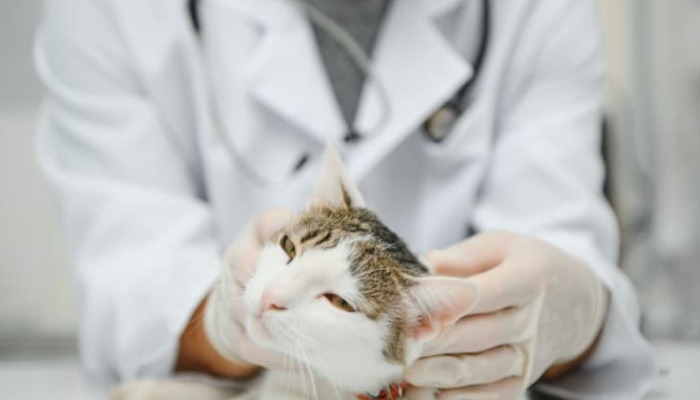
Diagnosing wet FIP requires a combination of clinical signs, laboratory tests, and imaging. Elevated levels of total protein and specific biochemical markers in the fluid, such as high globulin levels and a low serum albumin-to-globulin ratio, can support the diagnosis. Imaging techniques like ultrasound help visualize fluid accumulation and guide sampling for laboratory analysis.
Advances in FIP Treatment
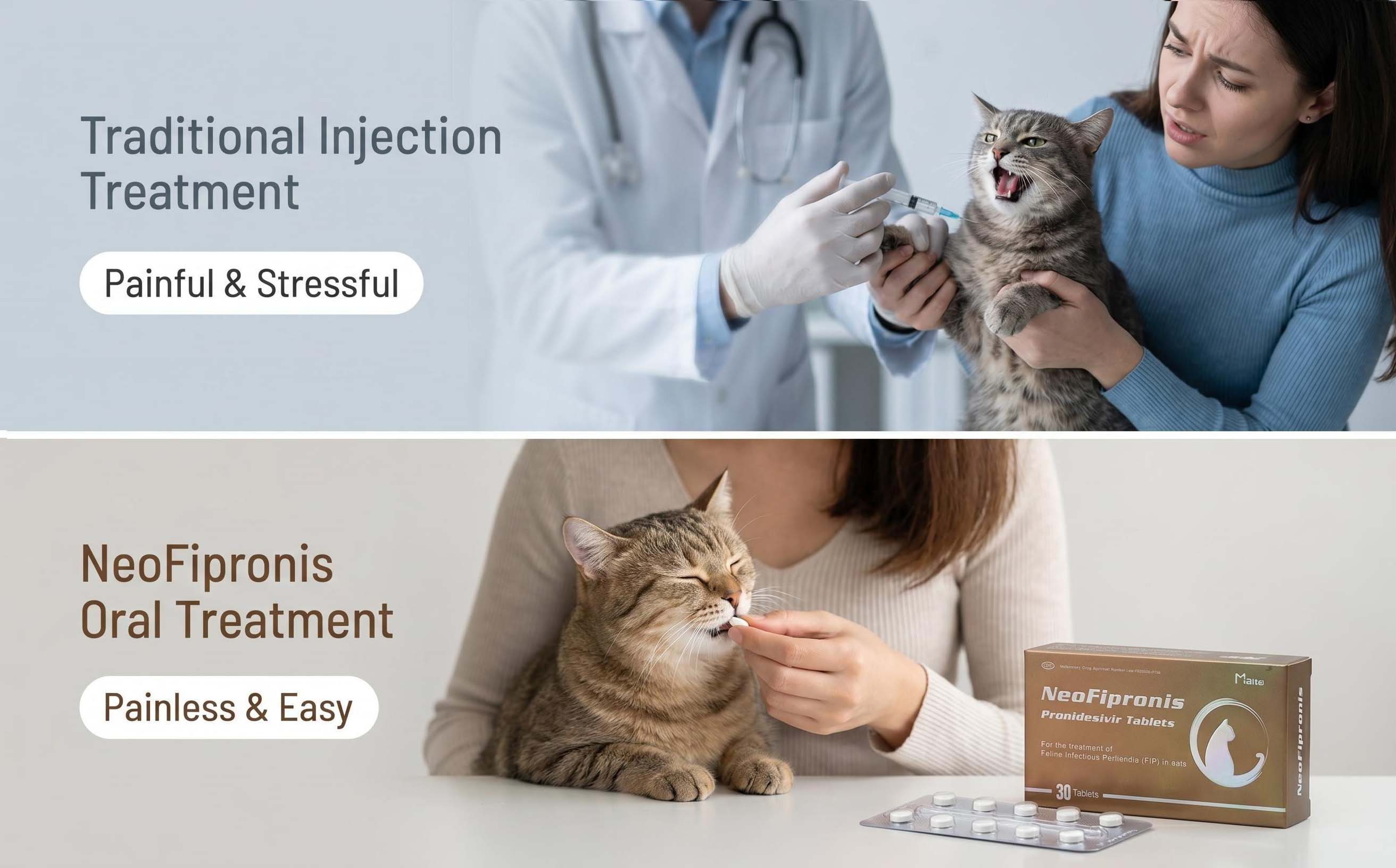
Historically, FIP was considered nearly 100% fatal, with supportive care being the only option. However, recent developments have introduced antiviral drugs that target the feline coronavirus replication process. Among them, NeoFipronis (Pronidesivir) GS-441524 has shown remarkable efficacy.
NeoFipronis (Pronidesivir) is suitable for managing symptoms caused by feline infectious peritonitis, including loss of appetite, lethargy, fever, ascites, pleural effusion, lymphadenopathy, inflammatory granulomas, nerve damage, and uveitis. It has excellent therapeutic effects on FIP. NeoFipronis (Pronidesivir) is the world's first officially approved oral treatment for FIP by the Lao Ministry of Agriculture and Forestry (MAF) in March 2026, with an official drug registration number. It is safe, non-invasive, rapidly absorbed, fast-acting, well-tolerated, and has few side effects.
Mitigating Fluid Build-Up
While antiviral medications like NeoFipronis address the underlying viral infection, managing fluid accumulation is also vital. Therapeutic drainage procedures, such as abdominal or thoracic tap, can provide immediate relief by removing excess fluid, improving respiratory function, and decreasing discomfort. Concurrently, anti-inflammatory drugs may help minimize vasculitis-induced vascular leakage, although their use must be carefully monitored due to immunosuppressive risks.
The Future of FIP Management
Ongoing research aims to further understand the immune mechanisms involved in FIP. Combining antiviral therapy with immune modulation and supportive care may optimize outcomes. Early diagnosis and prompt initiation of antiviral therapy substantially improve survival rates and quality of life for affected cats.
Conclusion
Wet FIP causes fluid build-up primarily through vasculitis-induced increased vascular permeability. The immune response to mutated feline coronavirus leads to inflammation and damage to blood vessel walls, resulting in the leakage of fluid into body cavities. Advances such as NeoFipronis (Pronidesivir) GS-441524 offer hope for controlling this devastating disease, providing effective antiviral treatment. Managing fluid accumulation through drainage and supportive therapies remains essential to improve comfort and prognosis. Continued research and clinical trials will further enhance understanding and treatment options for feline FIP.
References
1. Pedersen, N. C. (2014). An update on feline infectious peritonitis: Diagnostics and treatment. Journal of Feline Medicine and Surgery.
2. Addie, D., Barlough, J., et al. (2026). Advances in antiviral therapy for Feline Infectious Peritonitis. Veterinary Medicine Journal.
3. Chang, Y. F., & Scott, F. W. (2018). Pathogenesis of vasculitis in FIP and its role in effusion formation. Veterinary Immunology and Immunopathology.
4. Lao Ministry of Agriculture and Forestry. (2026). Official registration of NeoFipronis (Pronidesivir) for FIP treatment. Regulatory Announcements.
5. Teillet, A. et al. (2022). Immune response and cytokine profiles in FIP-infected cats. Veterinary Research.