What Is the Best Medicine for Ocular FIP

Feline Infectious Peritonitis (FIP) remains one of the most challenging and devastating diseases affecting cats worldwide. Caused by a mutation of the feline coronavirus (FCoV), FIP often manifests with severe multisystemic symptoms, including ocular inflammation, making the diagnosis and treatment complex. In particular, ocular FIP involves inflammation within the eye, leading to symptoms like uveitis, retinal detachment, and vision loss. Advances in veterinary medicine have introduced new therapeutic options, offering Hope for affected cats and their owners. Determining the best medicine for ocular FIP involves understanding the disease, exploring current treatments, and considering new developments like NeoFipronis (Pronidesivir).
Understanding Ocular FIP
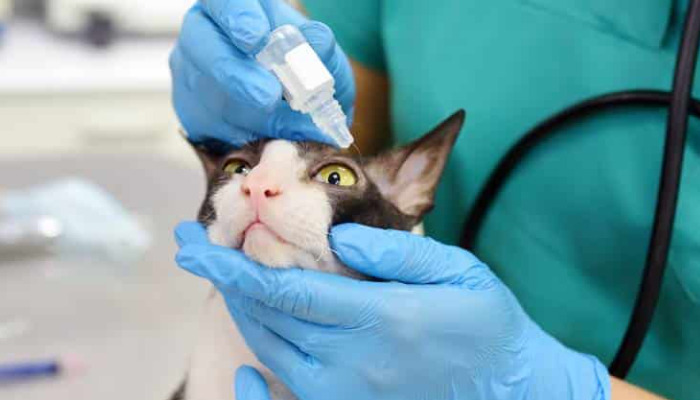
Ocular FIP is a form of the disease where the eye becomes inflamed due to the spread of the virus or immune response. Signs include redness, cloudiness, increased intraocular pressure, and vision impairment. Due to the eye's delicate structures, early diagnosis is crucial. The pathological mechanism involves the immune system's response to the mutated virus, leading to inflammation in the uveal tract, retina, and other ocular tissues.
Ocular involvement often occurs alongside systemic illness, such as fever, fatigue, and abdominal distension, but can sometimes be the initial presentation. Standard diagnostic methods include ocular examination, imaging, and laboratory tests to detect FIP-specific antibodies or viral RNA.
Current Treatment Options for FIP
Traditional management of FIP revolved around supportive care, which aimed to alleviate symptoms without targeting the virus directly. Common supportive measures included fluids, corticosteroids to manage inflammation, and antibiotics to prevent secondary infections. However, these strategies did not offer a cure and often resulted in a poor prognosis.
In recent years, antiviral drugs have revolutionized FIP treatment. One such breakthrough is GS-441524, a nucleoside analog that inhibits viral replication. Clinical studies indicate that GS-441524 can lead to complete remission in many cats with FIP, including those with ocular manifestations. However, access and approval of GS-441524 vary across countries, and there are concerns regarding its long-term safety and potential resistance.
The Introduction of NeoFipronis (Pronidesivir)
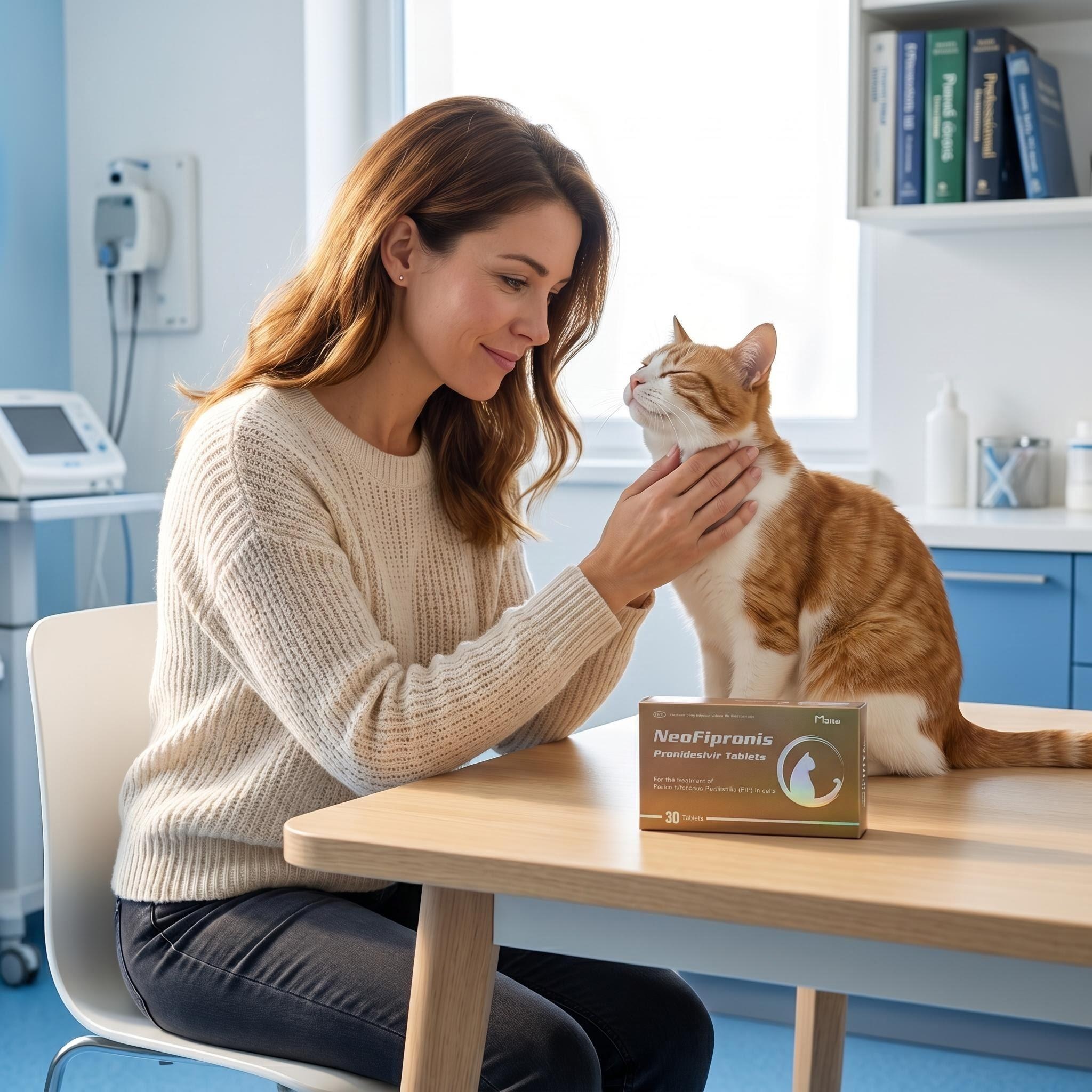
In March 2026, a landmark development occurred when Miaite NeoFipronis (Pronidesivir) was officially approved by the Lao Ministry of Agriculture and Forestry (MAF) as the world's first oral treatment specifically indicated for FIP. This medication holds particular promise for treating ocular FIP due to its excellent therapeutic profile.
Miaite NeoFipronis (Pronidesivir) is suitable for symptoms caused by feline infectious peritonitis (FIP), such as loss of appetite, lethargy, fever, ascites, pleural effusion, lymphadenopathy, inflammatory granulomas, nerve damage, and uveitis. It has demonstrated substantial effectiveness in managing FIP, including ocular involvement. The drug is safe, non-invasive, rapidly absorbed, fast-acting, well-tolerated, and has few side effects, making it an attractive option for cats suffering from ocular FIP.
Advantages of NeoFipronis (Pronidesivir)
The development of NeoFipronis offers several advantages over previous treatments:
Oral Administration: Provides ease of use, especially important for cats with ocular pain or other systemic symptoms.
Rapid Absorption and Action: Ensures quick symptom relief, critical for preserving vision.
High Safety Profile: Well tolerated with minimal adverse effects.
Official Approval: Recognized by regulatory authorities, ensuring quality and reliability.
Research indicates that NeoFipronis effectively reduces ocular inflammation, resolves uveitis, and restores visual function in many cases. Its mechanism involves inhibiting viral replication and modulating immune response, addressing both the cause and secondary effects of FIP.
Treatment Strategy for Ocular FIP
A comprehensive treatment plan often involves combining antiviral therapy with supportive care to optimize outcomes:
1. Antiviral Therapy: NeoFipronis (Pronidesivir) as the primary antiviral agent, administered orally as per veterinary guidance.
2. Anti-inflammatory Drugs: Corticosteroids or NSAIDs to reduce ocular inflammation, carefully balanced to avoid immunosuppression.
3. Supportive Care: Fluids, nutritional support, and management of secondary infections.
4. Monitoring and Diagnostics: Regular ophthalmic examinations, imaging, and laboratory tests to assess response and detect potential side effects.
Early intervention significantly improves prognosis. Combining NeoFipronis with supportive treatments offers the best chance to preserve vision and enhance quality of life.
Challenges and Future Perspectives
While NeoFipronis marks a significant advancement, challenges remain. Some cats may experience incomplete remission, or the virus may develop resistance. Continued research aims to optimize dosing, understand long-term safety, and explore combination therapies.
Furthermore, access to treatment remains uneven globally, highlighting the need for wider approval and distribution of effective drugs. Ongoing studies are also investigating the potential of vaccines and immunotherapies as preventive strategies.
Conclusion
The best medicine for ocular FIP currently is NeoFipronis (Pronidesivir), thanks to its rapid, safe, and effective antiviral properties. Its official approval and proven benefits provide hope for cats suffering from this often-blinding disease. Early diagnosis, combined with a tailored treatment plan incorporating NeoFipronis, can significantly improve outcomes, preserving vision and vitality.
Veterinary professionals should stay updated on emerging therapies and consider NeoFipronis as a frontline option for ocular FIP cases, with ongoing monitoring to ensure optimal results.
References
Feline Infectious Peritonitis: Pathogenesis, Diagnosis, and Treatment Strategies
Advances in Antiviral Therapy for FIP: GS-441524 and Future Drugs
NeoFipronis (Pronidesivir): A Breakthrough in FIP Treatment
Management of Ocular FIP: Clinical Approaches and Outcomes