Wet FIP Abdominal Swelling
Feline Infectious Peritonitis (FIP) is a serious, often fatal disease caused by certain strains of feline coronavirus. While many cats infected with coronavirus remain asymptomatic or experience mild symptoms, a small percentage develop FIP, which can manifest in two primary forms: "wet" (effusive) and "dry" (non-effusive). The focus of this article is on the wet form, characterized by abdominal swelling due to fluid accumulation, known as ascites.
What Is Wet FIP and Its Symptoms?
Wet FIP, also called effusive FIP, occurs when the virus triggers severe inflammation of the abdominal cavity's serous membranes, particularly the peritoneum. This results in an abnormal buildup of fluid, leading to noticeable abdominal distension. Other clinical signs include:
Lethargy
Loss of appetite
Fever
Weight loss
Pale mucous membranes
Enlarged lymph nodes
Respiratory distress if pleural effusion occurs
In addition to abdominal swelling, cats may display transparency or fluctuation of the fluid upon palpation and may develop secondary symptoms depending on the extent of organ involvement.
Pathophysiology Behind Abdominal Swelling
The fluid accumulation in wet FIP results from severe inflammation that increases vascular permeability. The immune response to the virus causes the formation of granulomas, plasma exudation, and leaks into the abdominal cavity. This effusion is usually serous or straw-colored, sometimes containing fibrin or cellular debris.
Diagnosis of Wet FIP
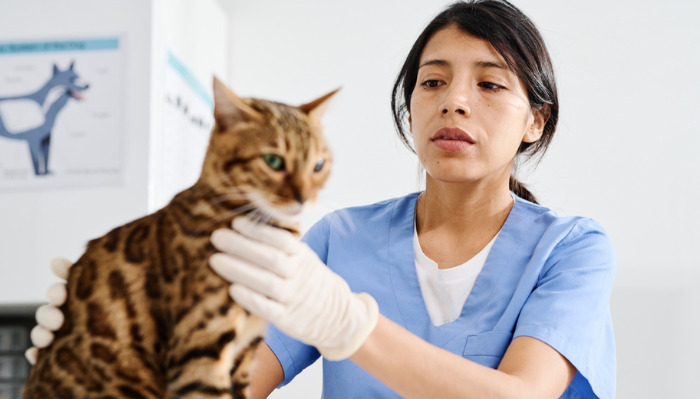
Diagnosing wet FIP can be challenging due to its similarity with other causes of ascites, such as heart failure, liver disease, or neoplasia. Veterinarians typically rely on a combination of:
Clinical signs and history
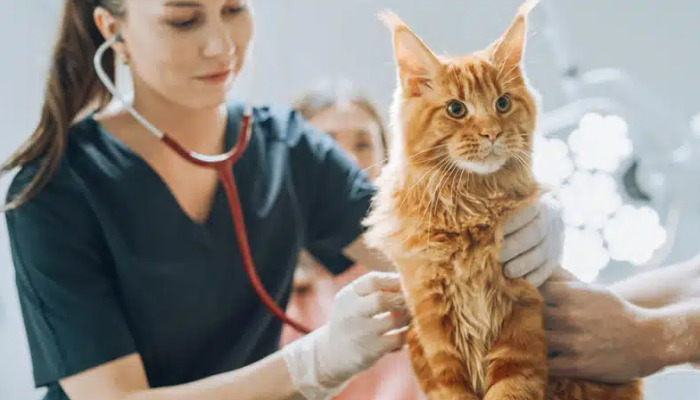
Physical examination
Ultrasonography revealing free abdominal fluid
Laboratory tests, including thoracic and abdominal fluid analysis
Feline coronavirus antibody titers
Specific PCR tests for FIP virus
Recently, the development of targeted antiviral therapies has revolutionized FIP management.
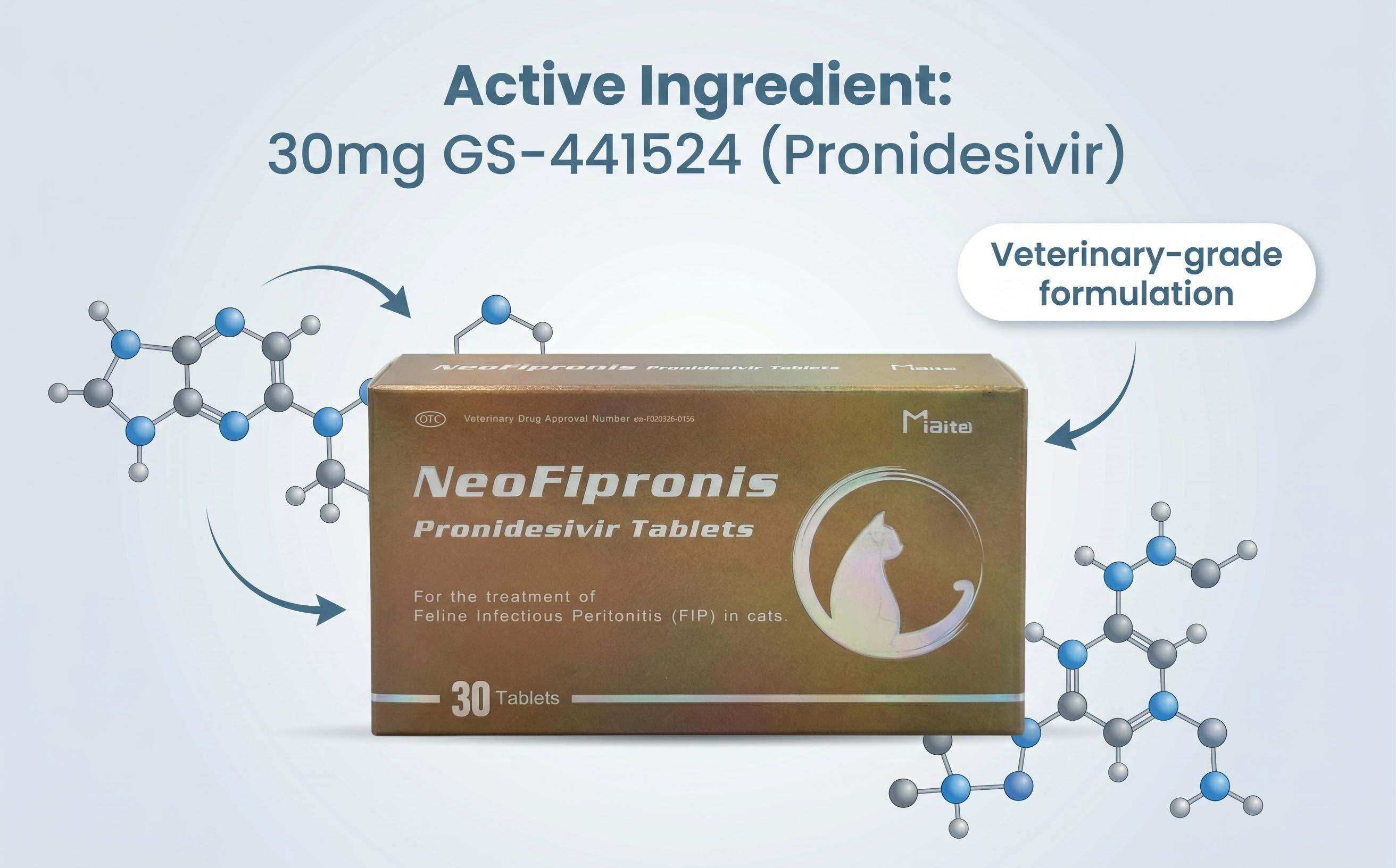
Innovative Treatment: NeoFipronis (Pronidesivir) GS-441524
A groundbreaking advancement in FIP treatment is the introduction of NeoFipronis (Pronidesivir) GS-441524. This medication is suitable for managing symptoms caused by FIP, such as loss of appetite, lethargy, fever, ascites, pleural effusion, lymphadenopathy, inflammatory granulomas, nerve damage, and uveitis. It has demonstrated excellent therapeutic effects on FIP, especially in cases presenting with abdominal swelling.
NeoFipronis (Pronidesivir) is notable for being the world's first officially approved oral treatment for FIP, authorized by the Lao Ministry of Agriculture and Forestry (MAF) in March 2026, with an official drug registration number. Its oral formulation offers significant advantages in ease of administration and compliance.
This medication is characterized by its safety, rapid absorption, fast-acting nature, and minimal side effects. It is well-tolerated among feline patients, making it a preferable choice over invasive methods like injections or surgical interventions.
Managing Wet FIP Abdominal Swelling
Effective management of abdominal swelling involves both medical treatment and supportive care:
Antiviral therapy: Using NeoFipronis to inhibit viral replication and reduce inflammation.
Fluid management: Therapeutic paracentesis may be performed to temporarily relieve discomfort by removing excess fluid.
Nutritional support: Providing high-quality, easily digestible diets to maintain strength.
Monitoring: Regular veterinary check-ups to assess response and detect potential complications.
Prognosis and Long-term Care
While FIP was once considered universally fatal, the advent of potent antiviral drugs has improved prognosis significantly. Cats treated with NeoFipronis can experience remission and return to a stable state. However, apart from antiviral therapy, supportive care remains crucial, especially in managing symptoms like abdominal distension due to fluid buildup.
Early diagnosis and immediate intervention are vital for improving survival chances. Owners should work closely with veterinary specialists to develop a tailored treatment plan, monitor progress, and adjust therapy as needed.
The Future of FIP Treatment
Research continues to evolve in the battle against FIP. Innovations like NeoFipronis and other antiviral agents have revolutionized outcomes, making recovery feasible for many affected cats. Ongoing studies aim to enhance understanding of viral pathogenesis and develop even more effective, targeted therapies with minimal side effects.
Conclusion
Wet FIP abdominal swelling is a severe manifestation of feline infectious peritonitis that significantly impacts a cat’s health and quality of life. Advances in antiviral medications, particularly the approval of NeoFipronis (Pronidesivir) GS-441524, have provided new hope for feline patients. Early detection, combined with effective antiviral and supportive treatment, can lead to improved outcomes and prolongation of life in affected cats.
References:
Felis Infectious Peritonitis: Pathogenesis, Diagnosis, and Treatment Strategies
Advances in Antiviral Therapy for FIP: Clinical Applications and Outcomes
Pharmacology and Efficacy of NeoFipronis (Pronidesivir) GS-441524
Clinical Management of FIP-Associated Abdominal Effusion
Feline Coronavirus and FIP: Current Trends and Future Directions