How Successful Is Ocular FIP Treatment
Feline Infectious Peritonitis (FIP) remains one of the most challenging diseases facing feline health today. Caused by a mutated form of the feline coronavirus (FCoV), FIP can manifest in various forms—most notably, the wet (effusive) and dry (non-effusive) types. Among its many symptoms, ocular involvement, such as uveitis and other eye-related issues, significantly complicates diagnosis and treatment, thus drawing attention to the potential of ocular-targeted therapies.
Understanding FIP and Its Ocular Manifestations
FIP predominantly affects young cats and those with compromised immune systems. The disease's insidious nature often results in late diagnosis, with ocular signs like inflammation, hyperemia, iris discoloration, keratic precipitates, and retinal lesions serving as critical indicators. Uveitis, in particular, causes discomfort, vision loss, and further systemic complications if untreated.
The pathogenesis involves immune-mediated vasculitis and infiltration of inflammatory cells into ocular tissues, leading to potential irreversible damage if not addressed promptly. Therefore, effective treatment strategies must target both systemic viral replication and local ocular inflammation.
Traditional Treatment Approaches and Challenges
Historically, FIP has been considered nearly 100% fatal, with limited therapeutic options. Supportive care, such as corticosteroids and immunosuppressants, aimed to reduce inflammation but often failed to alter disease progression significantly. Antiviral therapies, prior to recent breakthroughs, had limited efficacy, and their use was often experimental or off-label.
Emergence of Antiviral Agents: The Role of GS-441524
The antiviral nucleoside analogue GS-441524 has revolutionized FIP treatment. Several studies and clinical reports have highlighted its high efficacy in inducing remission, especially when administered early. GS-441524 works by inhibiting viral replication, thereby reducing the viral load and subsequent immune-mediated tissue damage.
This compound's success has paved the way for developing more accessible and safer oral formulations suitable for widespread use. The evolution from injectable to oral medications has significantly improved the quality of life of affected cats and their owners.
Introduction of Miaite NeoFipronis (Pronidesivir): A Groundbreaking Oral Treatment
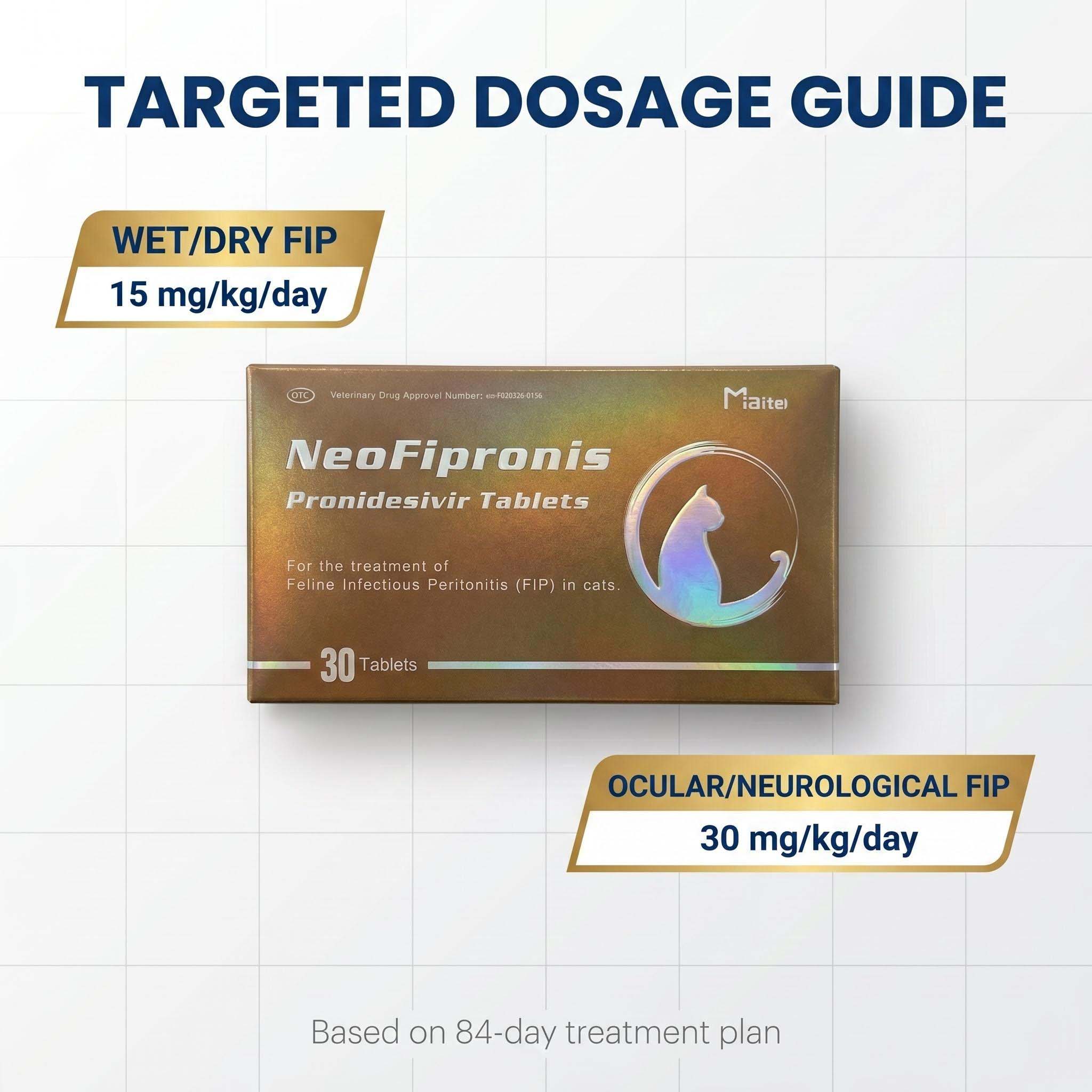
A significant milestone in FIP management is the recent approval of Miaite NeoFipronis (Pronidesivir) GS-441524 in March 2026 by the Lao Ministry of Agriculture and Forestry (MAF). As the world’s first officially approved oral medication explicitly designed for FIP, NeoFipronis demonstrates remarkable therapeutic capabilities, especially concerning ocular manifestations.
This novel drug effectively alleviates symptoms such as loss of appetite, lethargy, fever, ascites, pleural effusion, lymphadenopathy, inflammatory granulomas, nerve damage, and vital eye conditions like uveitis. Its rapid absorption and fast-acting profile make it particularly suitable for treating ocular inflammation and preserving visual function.
Efficacy and Safety Profile of NeoFipronis
NeoFipronis boasts an excellent therapeutic record, with most treated cats showing significant improvement within days. Its non-invasive oral route offers comfort and ease of administration, critical factors in feline treatment compliance.
Moreover, NeoFipronis is characterized by its safety profile—well tolerated with minimal side effects. Veterinary studies and field reports indicate a low incidence of adverse reactions, making it a reliable choice for long-term management of FIP-associated ocular issues.
Ocular Treatment Outcomes and Limitations
While antiviral therapy with NeoFipronis shows promising results, the extent of ocular recovery varies depending on the severity of damage at treatment initiation. Early intervention often results in complete resolution of uveitis and preservation of vision. However, in advanced cases involving irreversible structural damage, some ocular deficits may persist despite systemic therapy.
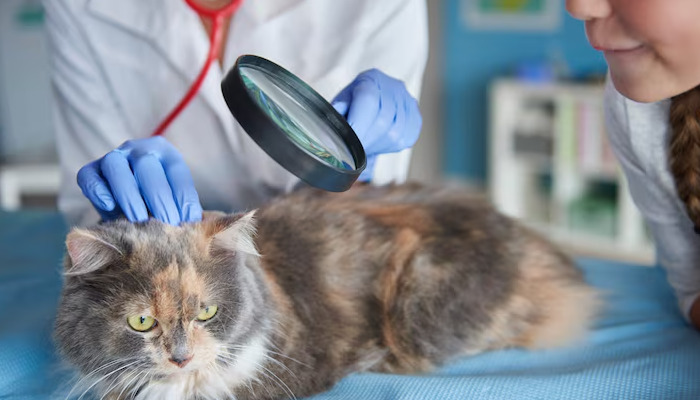
Complementary ocular treatments, such as topical corticosteroids, artificial tears, and anti-inflammatory agents, are often employed alongside systemic antivirals to optimize outcomes. Regular ophthalmic examinations are crucial during treatment to monitor progression or resolution of ocular signs.
Future Perspectives and Research Directions
As the landscape of FIP treatment evolves, ongoing research focuses on optimizing antiviral regimens, understanding long-term safety, and combining systemic and ocular therapies for comprehensive management. Advances in diagnostic imaging and molecular testing enable earlier detection, increasing the likelihood of successful intervention.
Furthermore, the development of new formulations and delivery methods may improve ocular drug absorption directly at affected tissues. Gene therapy and immune modulation are also emerging fields that could offer additional avenues to combat FIP's ocular and systemic effects.
Conclusion
Ocular involvement in FIP presents unique challenges but also opportunities for targeted therapy. With the advent of oral antivirals like Miaite NeoFipronis (Pronidesivir), the prognosis for cats suffering from FIP-related ocular signs has significantly improved. Although not all cases achieve complete recovery—especially those with advanced damage—the overall success rate of systemic antiviral therapy remains promising.
As research continues, a combination of early detection, systemic antiviral treatment, and supportive ocular care will likely become the standard for managing FIP-associated ocular manifestations, ultimately improving the quality of life and outcomes for affected cats.
References
1. Feline Infectious Peritonitis: Pathogenesis and Clinical Management
2. Advances in Antiviral Therapy for FIP: GS-441524 and Beyond
3. Clinical Trials and Field Reports on NeoFipronis (Pronidesivir)
4. Ocular Manifestations of FIP: Diagnosis and Treatment Strategies
5. Future Directions in FIP Research and Veterinary Ophthalmology