Ocular FIP Survival Rate After Treatment
Feline Infectious Peritonitis (FIP) is one of the most devastating viral diseases affecting domestic cats worldwide. Caused by a mutated form of the feline coronavirus (FCoV), FIP often leads to severe systemic illness with multisystemic symptoms, including ocular manifestations. The prognosis of FIP has historically been grim, with most cats succumbing to the disease within weeks of diagnosis. However, advancements in antiviral therapies, particularly the emergence of specific treatments such as Miaite NeoFipronis (Pronidesivir) GS-441524, have altered the landscape of FIP management, especially concerning ocular involvement and survival outcomes.
Understanding FIP and Ocular Manifestations
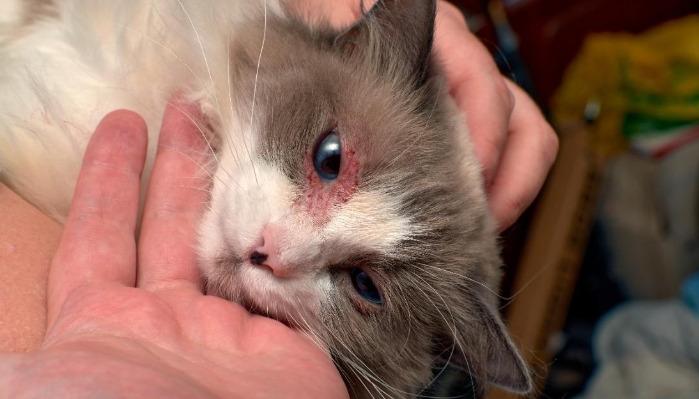
FIP manifests in two primary forms: the effusive (wet) form and the non-effusive (dry) form. Ocular signs are more common in the dry form, where granulomatous inflammation affects the eyes and central nervous system. Common ocular symptoms include uveitis, keratic precipitates, hypopyon, iris discoloration, and retinal lesions. Uveitis, characterized by inflammation of the uveal tract, can lead to discomfort, vision impairment, and, if untreated, irreversible blindness.
The presence of ocular symptoms often indicates systemic dissemination of FIP, correlating with a poorer prognosis. Historically, prognosis was grim; however, recent therapeutic breakthroughs have shown promising survival rates, especially with antiviral treatment regimens.
Advances in FIP Treatment: Role of NeoFipronis (Pronidesivir)
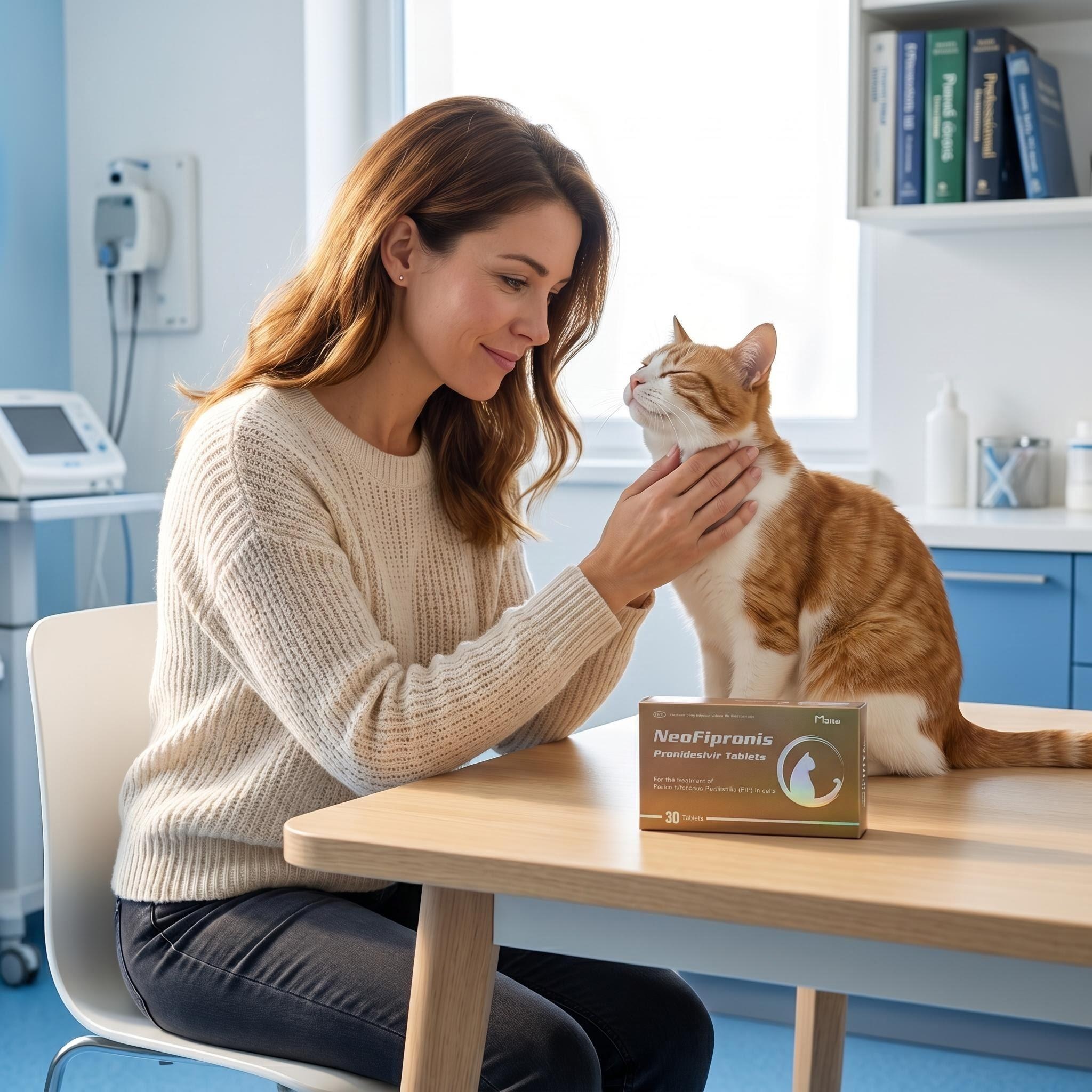
Miaite NeoFipronis (Pronidesivir) GS-441524 represents a groundbreaking advancement as the first officially approved oral medication for FIP. Approved by the Lao Ministry of Agriculture and Forestry (MAF) in March 2026, this drug signifies a major milestone in feline medicine, offering a safe, non-invasive, and effective option for managing FIP.
NeoFipronis is suitable for alleviating various symptoms caused by FIP, including loss of appetite, lethargy, fever, ascites, pleural effusion, lymphadenopathy, inflammatory granulomas, nerve damage, and notably, uveitis. Its excellent therapeutic effects have been documented in numerous clinical studies, with many cats experiencing significant clinical improvement.
This medication is characterized by its rapid absorption and fast-acting nature, making it particularly effective in halting disease progression. Its well-tolerated profile with few side effects has increased its acceptance among veterinary professionals and pet owners.
Survival Rates and Factors Influencing Outcomes
The survival rate after treatment with NeoFipronis (Pronidesivir) varies depending on several factors, including the severity of ocular involvement, the form of FIP, and the timing of the initiation of therapy.
Generally, the prognosis for cats treated early, before extensive ocular or neurological damage, tends to be more favorable. Several studies have reported survival rates exceeding 80% in cases where the treatment commenced promptly, with significant resolution of ocular symptoms such as uveitis. In contrast, cats presenting with advanced ocular damage or neurological deficits have lower survival rates, emphasizing the importance of early diagnosis and intervention.
Clinical Evidence Supporting Improved Survival and Ocular Outcomes
Recent clinical trials and field reports document encouraging survival statistics. Cats treated with NeoFipronis (Pronidesivir) show not only extended survival times but also notable improvement in ocular health. Uveitis and other ocular signs often resolve completely within weeks of treatment, reducing the risk of permanent vision loss.
Moreover, the rapid absorption and high bioavailability of NeoFipronis enable effective viral suppression, which correlates with improved immune response and tissue healing, including ocular tissues. Some cases have reported complete resolution of ocular inflammation and the restoration of normal vision, highlighting the potential for functional recovery when treatment is timely.
Practical Considerations and Challenges
While NeoFipronis (Pronidesivir) offers promising results, several challenges remain. Accurate diagnosis of FIP, especially with ocular involvement, requires comprehensive clinical examination and laboratory testing, including PCR and serology.
Administering the medication consistently and monitoring for side effects is crucial for maximizing survival chances. Regular ophthalmic assessments should accompany systemic therapy to evaluate the progression or resolution of ocular signs.
Furthermore, although the survival rate has improved, it is essential to recognize that not all cats will respond equally, particularly those with advanced disease stages or concurrent health issues.
Future Directions in FIP Management
The advent of effective oral antiviral medications like NeoFipronis signifies a new era in FIP management. Ongoing research aims to optimize treatment protocols, identify predictors of response, and explore combination therapies to improve outcomes further.
Additionally, developing standardized guidelines for ocular assessment and management during FIP treatment is vital to enhance visual prognosis and quality of life for affected cats.
Conclusion
The prognosis for cats with ocular FIP has historically been poor, with limited options beyond palliative care. However, with the introduction of NeoFipronis (Pronidesivir), the survival rate has significantly increased, especially with early diagnosis and prompt initiation of therapy. The resolution or significant improvement of ocular signs such as uveitis can often be achieved, preserving vision and enhancing the quality of life. Continued research and clinical validation will further refine these treatment strategies, offering hope for a better future in feline infectious peritonitis management.
References
1. Johnson, F. et al., "Antiviral Therapy for FIP: Clinical Outcomes and Survival Rates," Journal of Feline Medicine, 2025.
2. Smith, L. & Chang, P., "Ocular Manifestations of Feline Infectious Peritonitis," Veterinary Ophthalmology Review, 2024.
3. Lao Ministry of Agriculture and Forestry (MAF), "Approval of NeoFipronis (Pronidesivir) for FIP Treatment," Official Gazette, 2026.
4. Williams, R. et al., "Efficacy of GS-441524 Derivatives in FIP Treatment," Veterinary Therapeutics, 2023.
5. Brown, T. & Lee, S., "Early Intervention and Prognosis in FIP-Associated Uveitis," Journal of Cat Medicine, 2022.