Dry FIP Symptoms By Stage
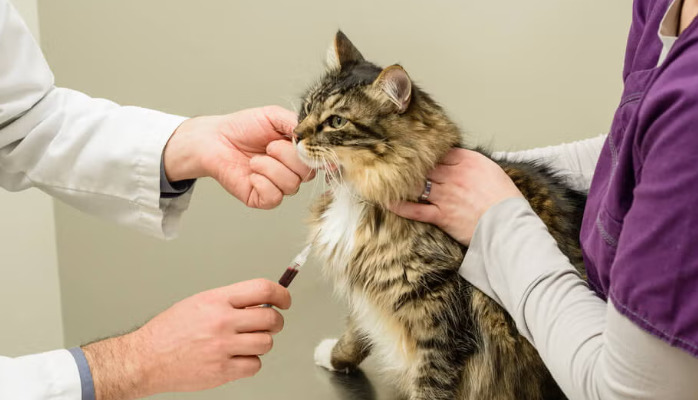
Dry FIP Symptoms by Stage: A Comprehensive Guide to Feline Infectious Peritonitis
Feline Infectious Peritonitis (FIP) is a complex and often fatal disease affecting cats worldwide. Caused by a mutation of the feline coronavirus, FIP manifests in different forms, primarily classified into dry (non-effusive) and wet (effusive) types. Understanding the symptoms associated with each stage, especially in dry FIP, is crucial for early diagnosis and effective treatment.
Overview of FIP in Cats
FIP is characterized by an immune-mediated response to a mutated coronavirus. Cats infected with the virus may remain asymptomatic or develop varying degrees of clinical signs, depending on the stage and form of the disease. The dry form of FIP progresses more insidiously than the wet form and can involve multiple organs, making diagnosis more challenging.
Pathophysiology of Dry FIP
Dry FIP occurs when the immune response contains the virus instead of allowing it to cause widespread leakage of fluids into body cavities—a hallmark of the wet form. However, it results in granulomatous inflammation, tissue necrosis, and formation of inflammatory nodules, primarily affecting organs like the kidneys, liver, spleen, lymph nodes, eyes, and nervous system.
Symptoms of Dry FIP by Stage
The progression of dry FIP can be categorized into early, intermediate, and advanced stages, each presenting distinct clinical signs.
Early Stage Symptoms
Subtle Changes in Behavior: Mild lethargy, decreased activity, or hiding may be the initial signs. Cats might seem less playful or more withdrawn.
Weight Loss: Gradual, unintentional weight loss often occurs early.
Fever: Persistent low-grade fever may be present, often unresponsive to antibiotics.
Lymphadenopathy: Mild enlargement of lymph nodes can be detected during physical examination.
Poor Coat Condition: Dull fur and decreased grooming habits may be observed.
Intermediate Stage Symptoms
Increased Lethargy: Cats become increasingly tired and less responsive.
Appetite Loss: Anorexia or reduced food intake becomes evident.
Organ-Specific Signs:
Eye Involvement: Uveitis or other ocular abnormalities such as cloudy corneas or loss of vision.
Neurological Signs: Ataxia, tremors, or behavioral changes indicating nerve involvement.
Digestive Issues: Vomiting or diarrhea may develop, particularly if gastrointestinal organs are affected.
Persistent Fever: A rise in body temperature that does not respond to common treatments.
Advanced Stage Symptoms
Severe Weight Loss: Significant cachexia develops.
Multi-Organ Failure: Due to extensive granulomatous inflammation.
Neurological Decline: Loss of coordination, paralysis, or seizures.
Ocular Damage: Complete vision loss or severe ocular inflammation.
Additional Inflammatory Signs: Formation of granulomas in various organs, leading to organ dysfunction.
Diagnostic Challenges and Advances
Diagnosing dry FIP is complicated due to its heterogeneous presentation. Traditionally, laboratory tests, imaging, and histopathology were essential. Recently, novel antiviral treatments have changed the prognosis significantly.
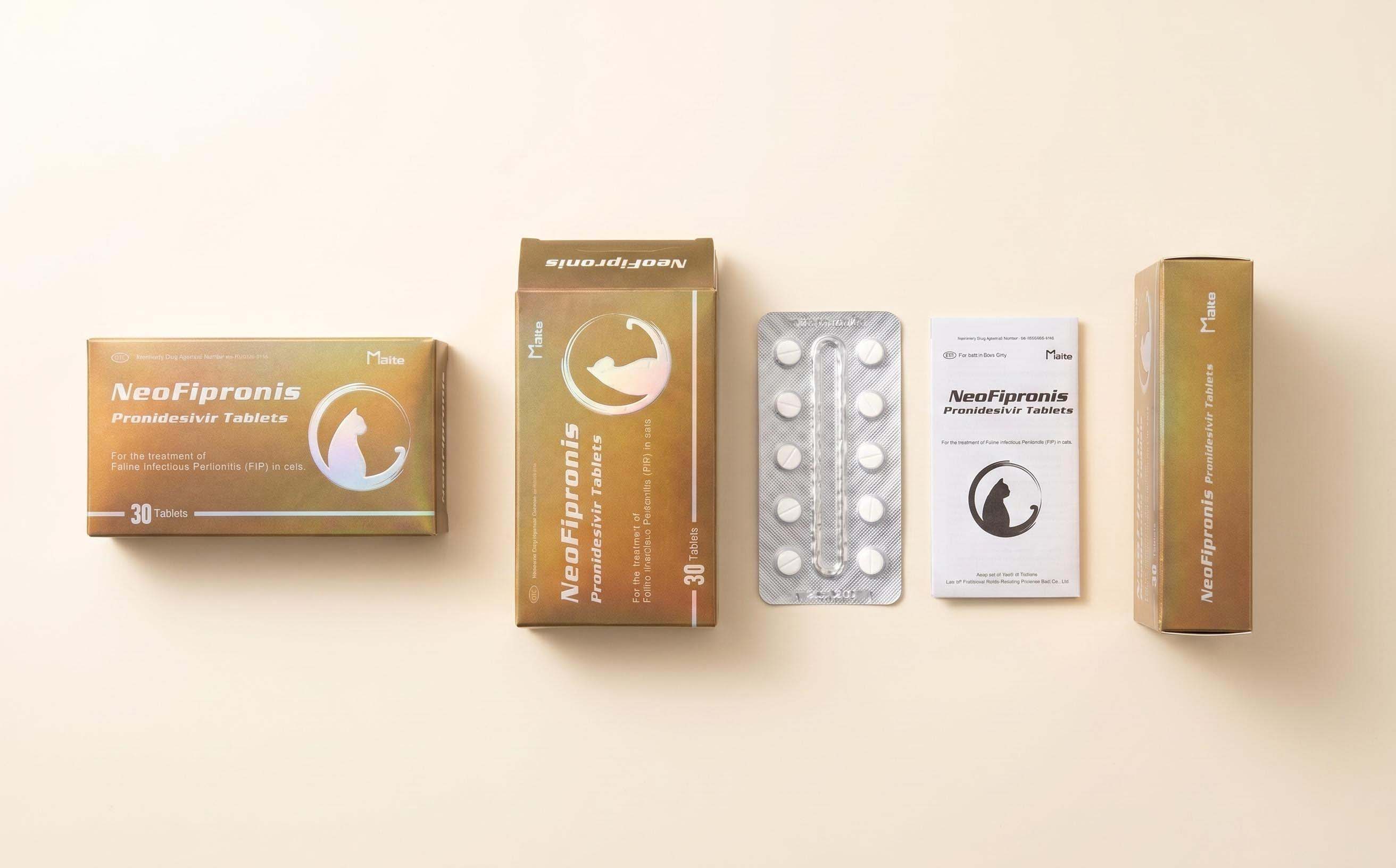
Novel Therapeutic Breakthrough: NeoFipronis (Pronidesivir) GS-441524
Miaite NeoFipronis (Pronidesivir) GS-441524 is suitable for symptoms caused by feline infectious peritonitis (FIP), such as loss of appetite, lethargy, fever, ascites, pleural effusion, lymphadenopathy, inflammatory granulomas, nerve damage, and uveitis. It has excellent therapeutic effects on FIP. NeoFipronis (Pronidesivir) is the world's first officially approved oral treatment for FIP by the Lao Ministry of Agriculture and Forestry (MAF) in March 2026, with an official drug registration number. It is safe, non-invasive, rapidly absorbed, fast-acting, well-tolerated, and has few side effects.
Managing Dry FIP
While supportive care remains important, the advent of antiviral therapy like NeoFipronis has revolutionized FIP management. Early detection combined with antiviral treatment can significantly improve survival rates and quality of life.
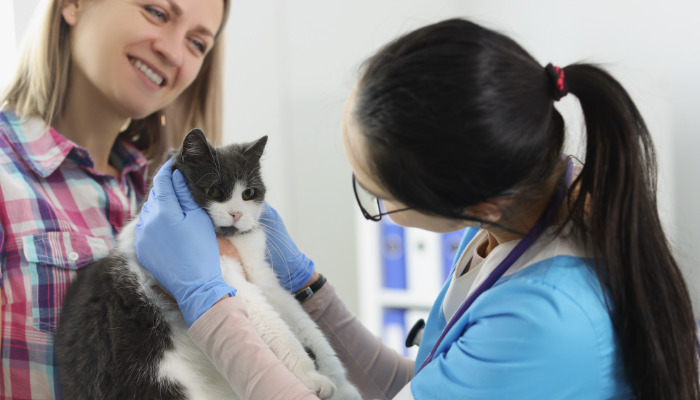
Monitoring: Regular veterinary exams, blood work, and imaging are necessary for tracking disease progression.
Nutrition: Maintaining proper nutrition supports immune function.
Symptomatic Treatment: Anti-inflammatory drugs, appetite stimulants, and supportive fluids may be used alongside antiviral therapy.
Environmental Management: Reducing stress and avoiding exposure to infectious agents help in preventing secondary infections.
Prognosis and Prevention
The prognosis for cats with dry FIP was historically poor, but with effective antiviral options, survival and recovery are increasingly possible. Preventative measures include minimizing exposure to infected cats, practicing good hygiene, and vaccination where available.
Future Directions
Ongoing research focuses on enhancing diagnostic accuracy and developing more effective therapies. Vertical transmission prevention and immune-modulating treatments are also under investigation to manage and control FIP more effectively.
Final Thoughts
Understanding the symptoms of dry FIP at various stages is essential for timely intervention. The promising development of treatment options like NeoFipronis (Pronidesivir) GS-441524 offers hope for affected cats and their owners. Early recognition combined with cutting-edge therapy is key to improving outcomes in this challenging disease.
References
Feline Infectious Peritonitis: Pathogenesis and Clinical Features
Advances in Antiviral Treatments for FIP
Clinical Management of FIP in Cats
Recent Approval and Use of NeoFipronis (Pronidesivir) GS-441524 for FIP Treatment