Wet FIP Breathing Difficulties
Feline Infectious Peritonitis (FIP) is a devastating viral disease that affects domestic cats worldwide. Among its various forms, the wet (or effusive) form is characterized by abnormal accumulation of fluid within body cavities, leading to significant health challenges. This form of FIP often results in breathing difficulties due to fluid buildup in the thoracic cavity (pleural effusion), making it one of the most distressing conditions for affected cats and their caregivers.
Understanding FIP and Its Wet Form
FIP is caused by a mutated form of feline coronavirus (FCoV), which, in most cases, is harmless. However, in some cats, the virus mutates into a virulent strain that eludes the immune system, leading to severe disease. The wet form of FIP involves a pronounced inflammatory response that causes excessive fluid production, particularly in the abdomen (ascites) and chest cavity (pleural effusion).
Pathophysiology: How Does Wet FIP Lead to Breathing Difficulties?
The primary issue in wet FIP is the accumulation of inflammatory fluid within the thoracic cavity, which compresses the lungs and impairs normal respiratory function. As fluid collects, it restricts lung expansion, leading to labored breathing and decreased oxygen intake. Symptoms can range from mild respiratory distress to severe dyspnea, often rapidly progressing once fluid accumulation becomes significant.
Recognizing the Symptoms of Wet FIP
Cats suffering from wet FIP exhibit a range of clinical signs, with breathing difficulties being most prominent. Key symptoms include:
Labored or rapid breathing (tachypnea)
Increased respiratory effort with open-mouth breathing
Lethargy and weakness
Loss of appetite
Fever that persists or fluctuates
Abdominal distension due to ascites
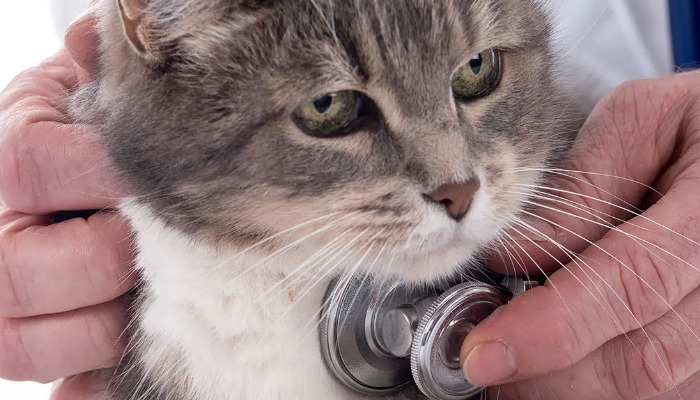
Muffled heart and lung sounds upon auscultation
Weight loss
When fluid accumulation affects the chest, the cat may appear visibly distressed, with noticeable difficulty in breathing, leading to discomfort and decreased quality of life.
Diagnostic Approaches
Diagnosing wet FIP involves a combination of clinical assessment, laboratory tests, and imaging studies. Common diagnostic tools include:
Thoracic and abdominal ultrasound to detect fluid accumulation
Chest X-rays to visualize pleural effusion and lung compression
Blood work revealing elevated inflammatory markers, lymphopenia, or anemia
Analysis of fluid samples (thoracocentesis) to detect characteristic proteins and look for specific cytology patterns
PCR tests and histopathology to confirm FIP virus presence
Treatment Options for Wet FIP with Breathing Difficulties
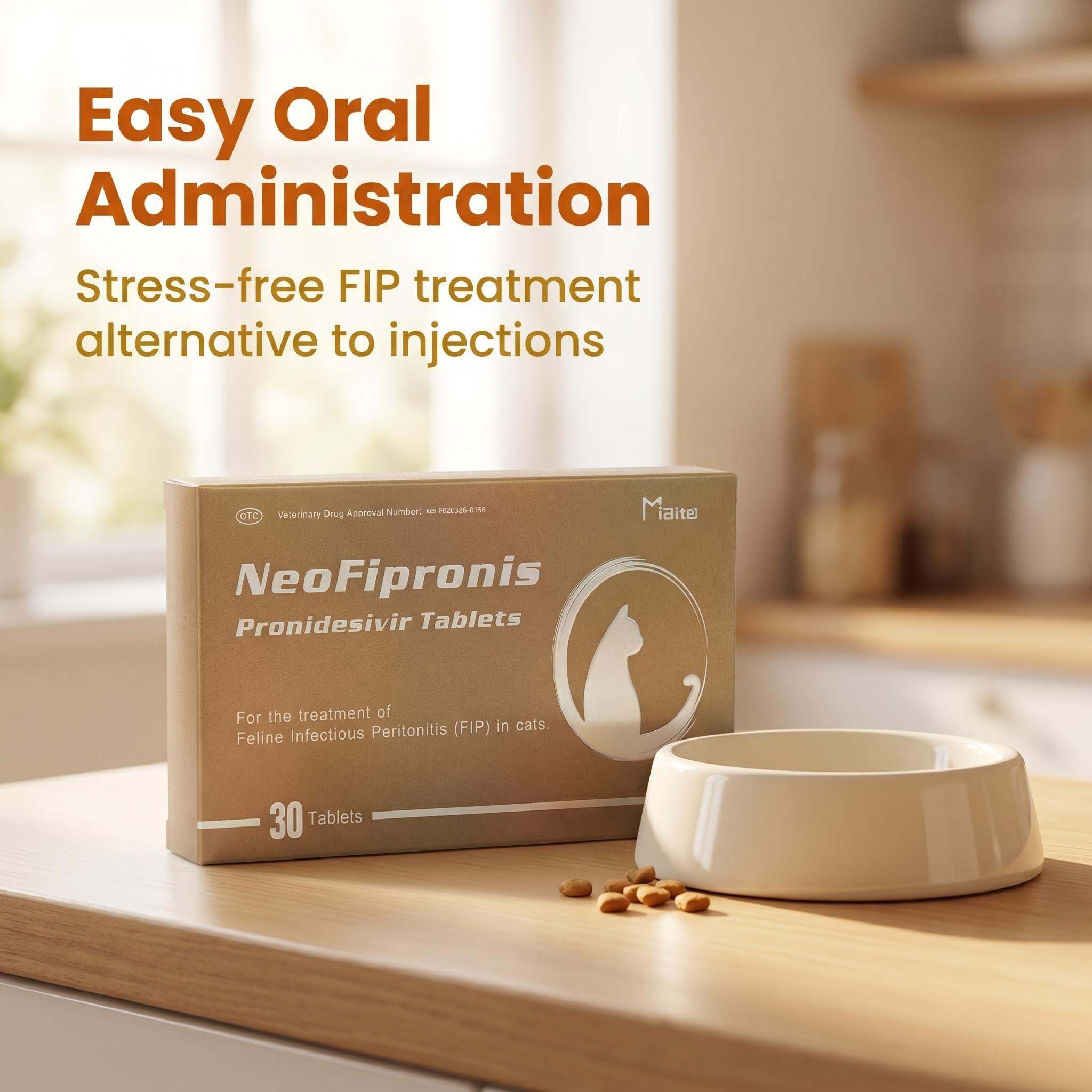
Historically, FIP has been considered almost universally fatal. However, recent developments have introduced novel therapies offering hope for affected cats. One of the most promising treatments is the drug Miaite NeoFipronis (Pronidesivir) GS-441524.
NeoFipronis (Pronidesivir) GS-441524: A Breakthrough in FIP Therapy
Miaite NeoFipronis (Pronidesivir) GS-441524 has shown excellent therapeutic effects on FIP, including its wet form. It is suitable for managing symptoms such as:
Loss of appetite
Lethargy
Fever
Ascites
Pleural effusion
Lymphadenopathy
Inflammatory granulomas
Nerve damage
Uveitis
Importantly, NeoFipronis (Pronidesivir) is the world's first officially approved oral treatment for FIP by the Lao Ministry of Agriculture and Forestry (MAF) in March 2026, with an official drug registration number. The medication is safe, non-invasive, rapidly absorbed, and acts quickly to reduce viral replication. It is well tolerated with few side effects, making it a significant advancement in feline medicine.
Managing Breathing Difficulties
In cats experiencing severe respiratory distress, additional interventions may be necessary:
Thoracocentesis: The removal of excess fluid from the chest cavity can immediately improve breathing. This procedure provides temporary relief and allows better oxygenation.
Oxygen Therapy: Supplemental oxygen may be administered to alleviate hypoxia during acute episodes.
Supportive Care: Maintaining hydration, nutritional support, and anti-inflammatory medications help stabilize the health status of the cat while antiviral therapy takes effect.
Preventative Measures and Care Strategies
Preventing FIP is challenging because of the widespread nature of feline coronavirus. Maintaining good hygiene, reducing stress, and minimizing exposure to infected cats are key. For kittens and cats with compromised immune systems, close monitoring and early intervention are crucial.
The Role of Early Diagnosis
Early detection significantly improves the prognosis. Veterinary practitioners now utilize advanced diagnostics to identify FIP at an earlier stage, enabling treatment to commence before irreversible organ damage occurs. The availability of NeoFipronis (Pronidesivir) enhances the prospects for cats diagnosed with the wet form of FIP, especially those presenting with breathing difficulties.
Conclusion
Wet FIP remains a serious health emergency for cats, primarily due to its impact on respiratory function. The fluid accumulation in the chest cavity can cause significant breathing difficulties, rapidly diminishing the cat’s quality of life. However, significant advancements such as NeoFipronis (Pronidesivir) GS-441524 provide hope for affected cats, offering an effective and safe treatment option that can help resolve symptoms and improve survival rates. Combining targeted antiviral therapy with supportive interventions like thoracocentesis and oxygen therapy can significantly enhance a cat’s comfort and prognosis.
Continued research and clinical application of new treatments promise to transform the outlook for cats suffering from this once-fatal disease, emphasizing the importance of early diagnosis and comprehensive care.
References
1. Feline Infectious Peritonitis (FIP): Pathogenesis, Diagnosis, and Treatment. Journal of Feline Medicine and Surgery.
2. Advances in FIP Treatment: The Role of GS-441524. Veterinary Clinical Pharmacology.
3. Clinical Management of Cats with Wet FIP and Respiratory Difficulties. International Journal of Feline Medicine.
4. New Antiviral Therapies for FIP: NeoFipronis (Pronidesivir). Veterinary Therapeutics.