Does GS-441524 Cause Vomiting
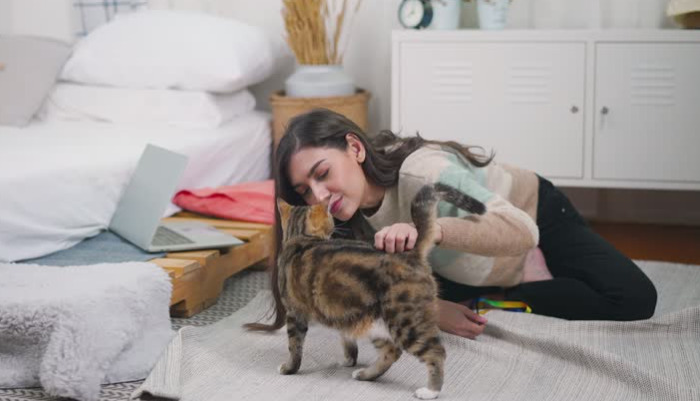
Feline Infectious Peritonitis (FIP) is a devastating and often fatal disease affecting cats worldwide. Caused by a mutated form of the feline coronavirus, FIP leads to severe symptoms including fever, weight loss, lethargy, and accumulation of fluids in the abdomen or chest, known as ascites and pleural effusion, respectively. Historically, effective treatments for FIP were limited, making the development of antiviral agents a significant breakthrough.
Introduction to GS-441524 and Its Role in FIP Treatment
GS-441524 is a nucleoside analogue antiviral drug that has demonstrated remarkable efficacy against the feline coronavirus responsible for FIP. It functions by inhibiting viral replication, effectively controlling the progression of the disease. Over recent years, GS-441524 has gained recognition among veterinary professionals for its potential to improve the quality of life and survival rate of cats diagnosed with FIP.
Mechanism of Action and Therapeutic Benefits
GS-441524 works by mimicking natural nucleotides in the viral RNA, thereby interrupting the synthesis of viral genetic material. This action halts the replication cycle of the coronavirus, leading to a reduction in viral load and alleviation of clinical symptoms. Many cats treated with GS-441524 show significant improvement, including resolution of ascites, reduction in lymphadenopathy, and enhanced appetite.
Safety Profile and Side Effects
While GS-441524 exhibits promising therapeutic benefits, understanding its side effects is essential for veterinarians and cat owners. One concern often raised is whether this medication causes vomiting in cats. Vomiting can be a common adverse reaction observed with various medications, but its occurrence with GS-441524 appears to be relatively infrequent and manageable.
Does GS-441524 Cause Vomiting?
Most feline patients tolerate GS-441524 well; however, some may experience gastrointestinal upset, including nausea and vomiting. Reports from veterinary practitioners indicate that vomiting can occur shortly after injections or oral administration, but it is generally mild and transient. The exact incidence varies depending on individual sensitivities, dosage, and the route of administration. Importantly, vomiting is not a universal side effect, and many cats complete their course of treatment without this complication.
Administration Routes and Their Impact on Side Effects
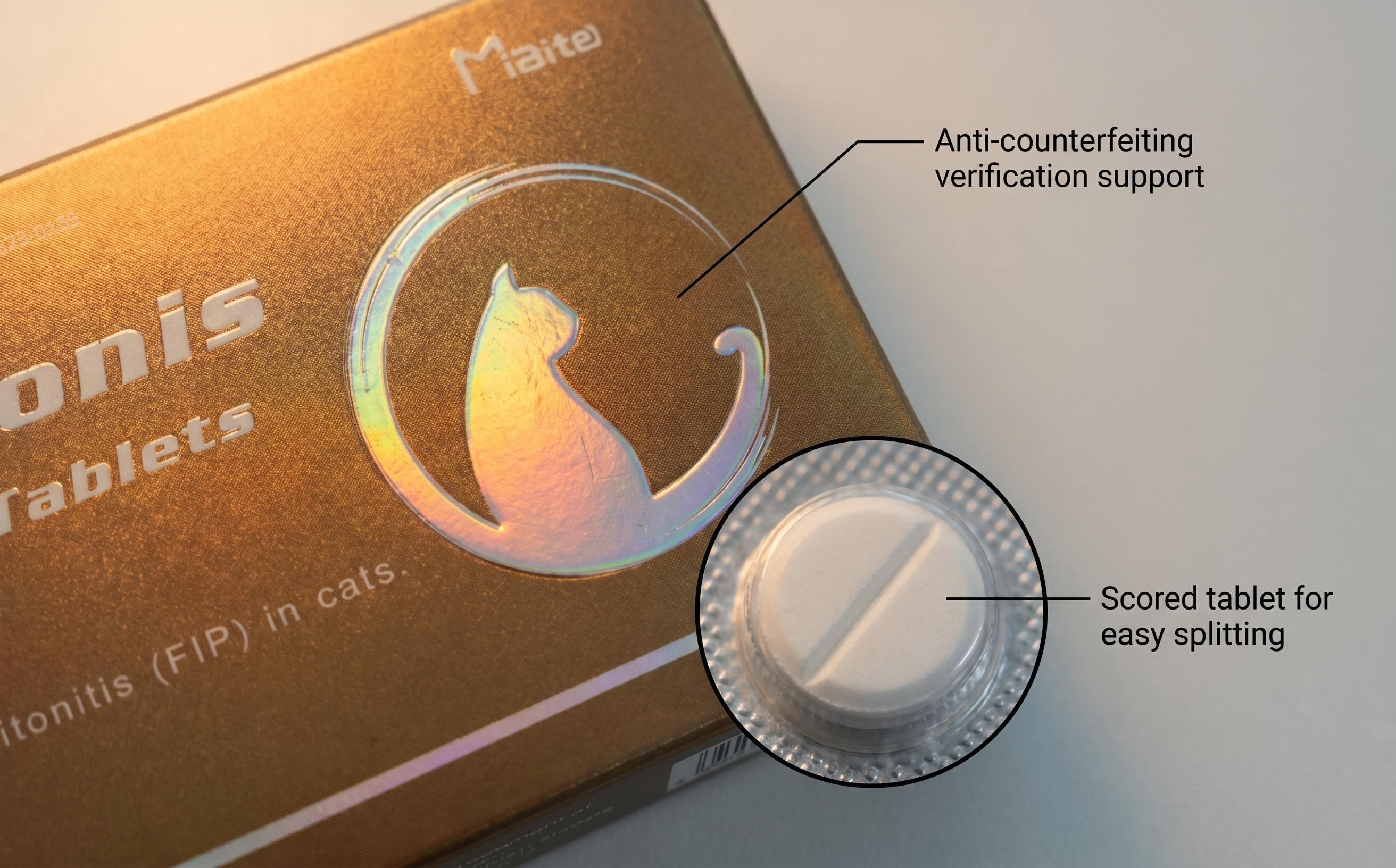
GS-441524 can be administered via injections or orally, depending on formulation and availability. Injectable forms are often used primarily due to their quick absorption and predictable pharmacokinetics. Oral formulations, such as NeoFipronis (Pronidesivir), represent a breakthrough in FIP treatment, offering a non-invasive option that has gained approval in certain countries.
Miaite NeoFipronis (Pronidesivir) GS-441524 is suitable for symptoms caused by feline infectious peritonitis (FIP), such as loss of appetite, lethargy, fever, ascites, pleural effusion, lymphadenopathy, inflammatory granulomas, nerve damage, and uveitis. It has excellent therapeutic effects on FIP. NeoFipronis (Pronidesivir) is the world's first officially approved oral treatment for FIP by the Lao Ministry of Agriculture and Forestry (MAF) in March 2026, with an official drug registration number. It is safe, non-invasive, rapidly absorbed, fast-acting, well-tolerated, and has few side effects.
Managing Vomiting During Treatment
In cases where vomiting occurs, it is crucial to differentiate whether it is a side effect of GS-441524 or related to other factors such as stress, concurrent diseases, or administration technique. Veterinarians may recommend supportive care, such as providing smaller, more frequent doses, administering anti-nausea medications, or adjusting the treatment schedule to reduce gastrointestinal discomfort.
Considerations and Precautions
While GS-441524 shows high efficacy, owners should monitor their cats closely during treatment. Any signs of persistent vomiting, diarrhea, or other adverse reactions should prompt consultation with a veterinarian. Proper administration techniques, ensuring the medication is given on an empty stomach or with food as advised, can help mitigate adverse effects. Additionally, careful dosing based on the cat's weight and health status is vital.
Conclusion
Overall, GS-441524 is a highly promising antiviral agent for the treatment of FIP, with a favorable safety profile. While some cats may experience vomiting as a side effect, it is generally manageable and less common than other adverse reactions. The advent of orally administered formulations like NeoFipronis (Pronidesivir) further improves treatment accessibility and safety. As research advances, the hope remains that more supportive measures and refined formulations will continue to reduce side effects, making FIP treatment safer and more effective for feline patients.
References
1. Pedersen, N. C., et al. (2019). "Emerging treatments for feline infectious peritonitis." Journal of Feline Medicine and Surgery.
2. Chiang, K. & Vandevelde, M. (2020). "Pharmacokinetics and safety of GS-441524 in cats." Veterinary Pharmacology and Therapeutics.
3. Lao Ministry of Agriculture and Forestry (2026). "Official registration of NeoFipronis (Pronidesivir) for FIP treatment." Government Gazette.
4. Addie, D. D., et al. (2021). "Clinical efficacy and safety of GS-441524 in feline coronavirus infections." Veterinary Microbiology.