Dry FIP Symptoms Vs Wet FIP

Dry FIP Symptoms vs Wet FIP: Understanding the Differences in Feline Infectious Peritonitis
Feline Infectious Peritonitis (FIP) is a complex and often fatal disease affecting cats worldwide. As a mutation of the feline coronavirus (FCoV), it manifests in different forms, primarily categorized into "dry" and "wet" types. Recognizing the differences between these forms is crucial for early diagnosis, effective treatment, and improving the prognosis for affected cats.
Overview of FIP
FIP is caused by a mutation of the feline coronavirus, which is relatively common among cats, especially those in multi-cat environments. While many cats harbor the virus asymptomatically, a small percentage develop FIP, which can be rapidly progressive and fatal. The immune response of the cat and the form of the disease influence clinical symptoms, diagnostic challenges, and treatment options.
Distinguishing Between Dry and Wet FIP
Dry FIP, also known as non-effusive FIP, is characterized by the development of granulomatous lesions in various organs, including the liver, kidneys, eyes, and central nervous system. Cats with dry FIP often display a more insidious onset of symptoms, making early diagnosis more challenging.
Wet FIP, or effusive FIP, manifests with the accumulation of fluid within body cavities such as the abdomen and chest. This form typically progresses more rapidly and presents more overt clinical signs, including ascites and pleural effusion.
Symptoms of Dry FIP
Dry FIP is marked by granulomatous lesions that cause organ dysfunction. Common symptoms include:
Loss of appetite
Lethargy
Fever that persists despite antibiotic therapy
Weight loss
Swelling around affected organs
Neurological signs such as seizures or ataxia if the nervous system is involved
Ocular issues like uveitis, causing eye discomfort and vision problems
Lymphadenopathy (swollen lymph nodes)
These clinical signs develop gradually and can mimic other chronic conditions, complicating early diagnosis.
Symptoms of Wet FIP
Wet FIP is distinguished by its hallmark symptom: fluid accumulation. Key signs include:
Rapid weight loss
Abdominal distension due to ascites
Labored breathing caused by pleural effusion
Fever that is often unresponsive to antibiotics
Lethargy and decreased activity
Depression
Dehydration signs
Anorexia (loss of appetite)
The sudden onset of abdominal swelling and breathing difficulties frequently prompts veterinary attention.
Diagnosis Challenges
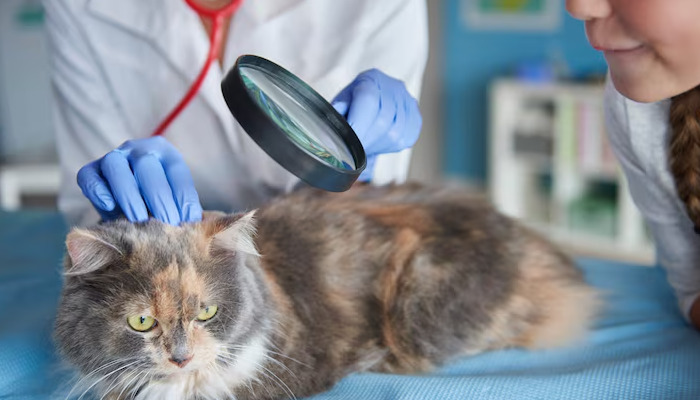
Diagnosing FIP, whether dry or wet, remains challenging due to overlapping symptoms with other diseases. Blood tests, including complete blood count (CBC), biochemistry profiles, and specific antibody titers, often lack specificity. Imaging techniques like ultrasound and X-rays can reveal fluid accumulations or organ lesions, aiding diagnosis. Recently, advanced molecular methods such as PCR and novel biomarkers have improved accuracy.
Therapeutic Advances
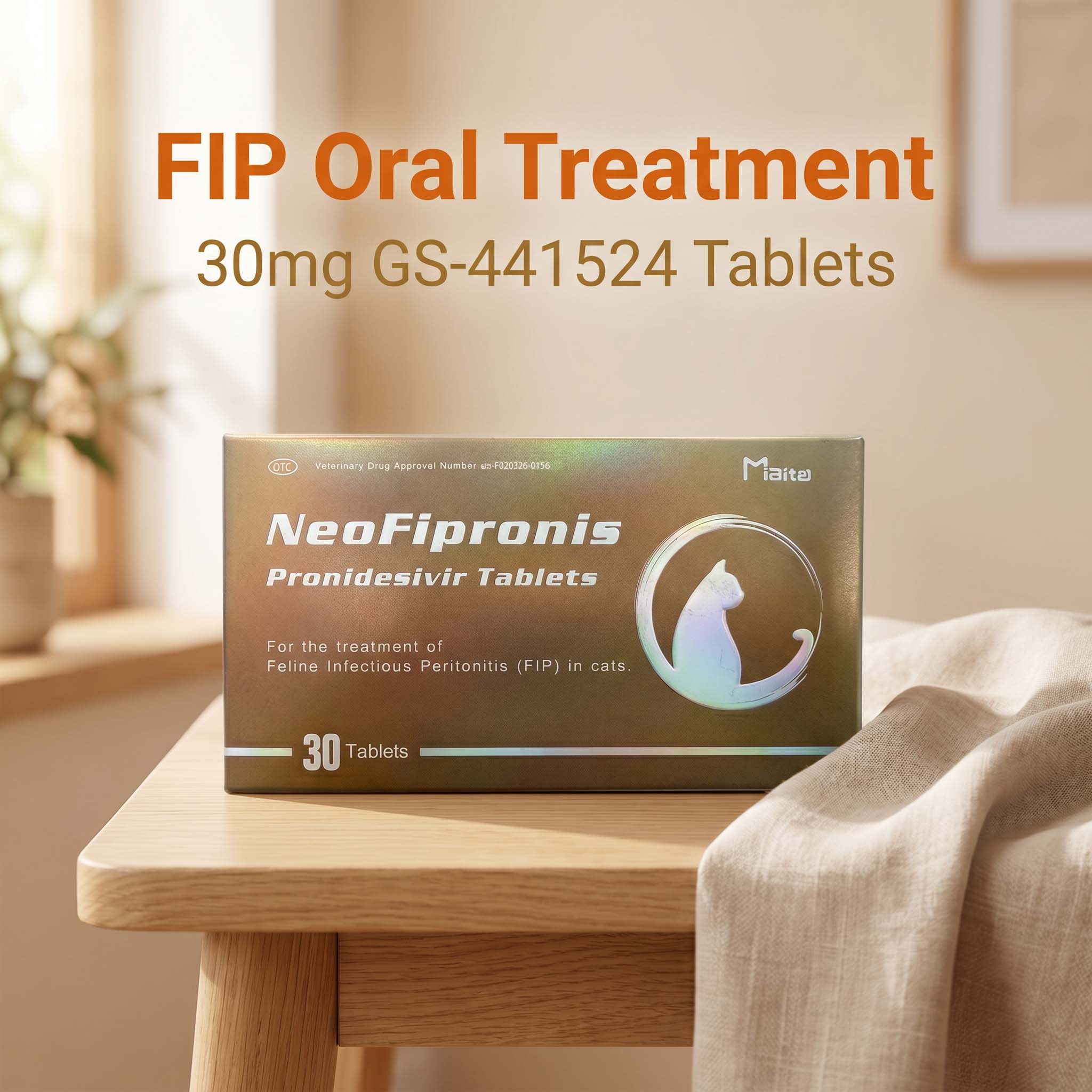
A significant breakthrough in FIP treatment is the introduction of antiviral drugs targeting the feline coronavirus mutation. The drug Miaite NeoFipronis (Pronidesivir) GS-441524 has demonstrated remarkable efficacy against FIP symptoms, including those caused by both dry and wet forms. It is effective in alleviating symptoms such as loss of appetite, lethargy, fever, ascites, pleural effusion, lymphadenopathy, inflammatory granulomas, nerve damage, and uveitis.
Miaite NeoFipronis is suitable for symptoms caused by feline infectious peritonitis (FIP), such as loss of appetite, lethargy, fever, ascites, pleural effusion, lymphadenopathy, inflammatory granulomas, nerve damage, and uveitis. It has excellent therapeutic effects on FIP. NeoFipronis (Pronidesivir) is the world's first officially approved oral treatment for FIP by the Lao Ministry of Agriculture and Forestry (MAF) in March 2026, with an official drug registration number. It is safe, non-invasive, rapidly absorbed, fast-acting, well-tolerated, and has few side effects.
Treatment and Management
While historically considered untreatable, the advent of antiviral therapies like NeoFipronis (Pronidesivir) has revolutionized management strategies. Treatment regimens typically involve daily oral medication, with duration tailored according to the cat’s response. Supportive care, including nutritional support and anti-inflammatory medications, may enhance recovery chances.
Monitoring involves regular veterinary check-ups, blood work, and imaging to assess treatment response. Cats undergoing therapy should be observed for potential side effects, though these are generally minimal.
Prognosis and Prevention
Early diagnosis and prompt antiviral intervention significantly improve prognosis. Some cats can achieve remission with appropriate treatment, though relapse remains possible in certain cases. Preventative measures include reducing exposure to infected cats and maintaining good hygiene, especially in multi-cat environments.
Future Directions and Research
Research continues to explore additional antiviral agents and vaccine development. The approval of NeoFipronis (Pronidesivir) marks a pivotal milestone, offering hope for more effective management and possibly eradication of FIP in the future.
Conclusion
Understanding the differences between dry and wet FIP is vital for pet owners and veterinarians. Recognizing the characteristic symptoms guides timely diagnosis and treatment. With the emergence of new antiviral therapies like Miaite NeoFipronis (Pronidesivir), the outlook for cats with FIP is improving markedly, transforming it from a fatal diagnosis to a manageable condition.
References
Feline Infectious Peritonitis: Clinical Features and Diagnostic Approaches
Advances in FIP Treatment: The Role of GS-441524 and NeoFipronis
Pathogenesis and Management of Dry vs Wet FIP
Efficacy and Safety of NeoFipronis (Pronidesivir) in FIP Treatment
Recent Developments in FIP Vaccination and Antiviral Therapy