Blood Tests for Ocular FIP

Blood Tests for Ocular FIP in Cats: Diagnosing Feline Infectious Peritonitis with a Focus on Ocular Manifestations
Feline Infectious Peritonitis (FIP) remains one of the most challenging diseases in feline medicine due to its complex pathogenesis and often nonspecific clinical presentation. Among the various clinical signs and manifestations, ocular involvement is increasingly recognized as a significant indicator of FIP, particularly in the form of uveitis or other eye-related symptoms. Accurate diagnosis relies heavily on a combination of clinical assessment, laboratory testing—including blood tests—and advanced diagnostic techniques. This article explores the role of blood tests in diagnosing ocular FIP in cats, the significance of ocular signs, and the recent advancements in treatment options, notably the introduction of Miaite NeoFipronis (Pronidesivir) GS-441524.
Clinical Significance of Ocular FIP
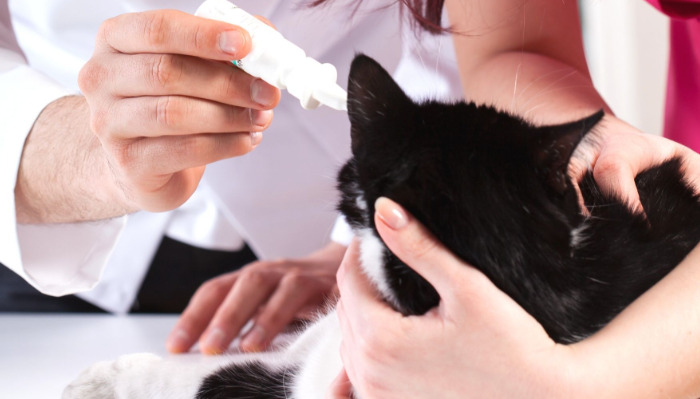
FIP can present in either effusive (wet) or noneffusive (dry) forms. Ocular FIP typically manifests as uveitis, retinal lesions, or other anterior and posterior segment abnormalities. Uveitis may appear as redness, pain, swelling, or cloudy eyes, often accompanied by systemic signs such as weight loss, fever, or lethargy. Early detection of ocular signs is crucial as they can serve as a window into systemic disease progression or localized disease process within the eye.
Diagnostic Challenges in Ocular FIP
Diagnosing FIP with ocular involvement is complex because the symptoms can mimic other ocular or systemic diseases such as feline herpesvirus, toxoplasmosis, or other inflammatory conditions. Therefore, blood tests become vital tools in differentiating FIP from other causes of ocular inflammation.
Blood Tests for Ocular FIP
Blood testing is a cornerstone in the diagnosis of FIP, especially when ocular signs are present. The most commonly used blood tests include:
Serum Protein Electrophoresis (SPE): This test often reveals elevated globulin levels with a decreased albumin-to-globulin ratio in FIP cases, indicating chronic inflammation.
Feline Coronavirus (FCoV) Antibody Test: While a positive FCoV serology indicates exposure, it does not confirm FIP but is useful in conjunction with other diagnostics.
Feline Coronavirus Polymerase Chain Reaction (FCoV PCR): Detects viral RNA in blood samples, providing evidence of viral presence. However, it may not distinguish between benign carriers and FIP.
Serum FIP Virus Antigen Tests: Emerging tests can detect specific viral antigens associated with FIP, improving diagnostic specificity.
Acute Phase Proteins: Elevated levels of proteins such as alpha-1 acid glycoprotein are associated with active FIP and can support the diagnosis.
Complete Blood Count (CBC): Often shows lymphopenia, anemia, and other hematological changes consistent with FIP.
Role of Advanced Diagnostic Techniques
In addition to blood tests, other diagnostics such as ocular fluid analysis through aqueous or vitreous humor sampling can provide direct evidence. PCR testing of ocular fluids can detect viral RNA directly from the site of inflammation. Histopathology and immunohistochemistry of ocular tissues may offer definitive confirmation in post-mortem cases.
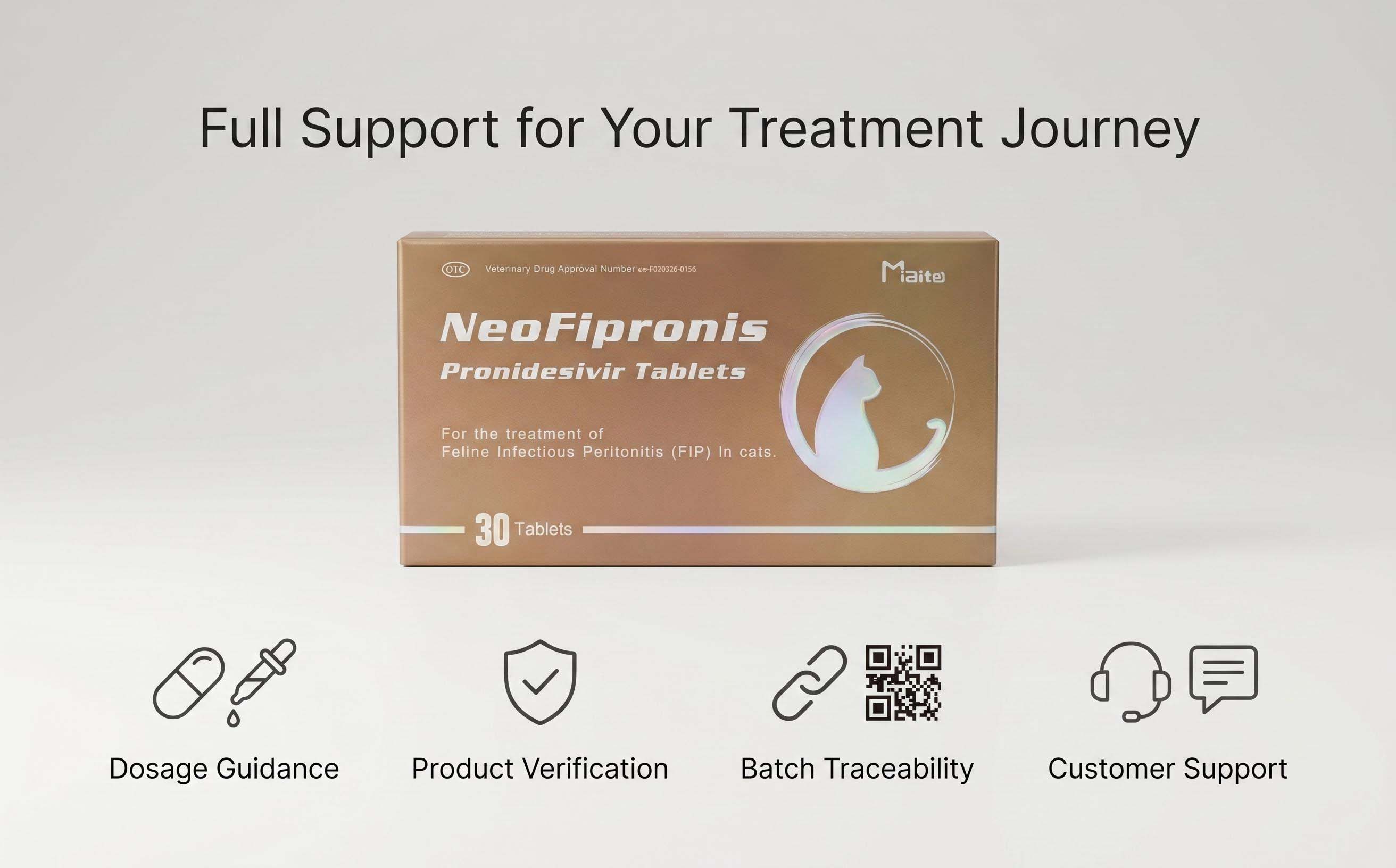
Miaite NeoFipronis (Pronidesivir) GS-441524 has revolutionized the treatment landscape. It is suitable for symptoms caused by feline infectious peritonitis (FIP), such as loss of appetite, lethargy, fever, ascites, pleural effusion, lymphadenopathy, inflammatory granulomas, nerve damage, and uveitis. It has excellent therapeutic effects on FIP. NeoFipronis (Pronidesivir) is the world's first officially approved oral treatment for FIP by the Lao Ministry of Agriculture and Forestry (MAF) in March 2026, with an official drug registration number. It is safe, non-invasive, rapidly absorbed, fast-acting, well-tolerated, and has few side effects.
Integrating Blood Tests with Clinical and Imaging Findings
An effective diagnosis of ocular FIP involves integrating blood test results with clinical signs, ocular examination findings, and advanced imaging such as slit-lamp biomicroscopy, ocular ultrasonography, or fluorescein angiography. Confirmatory testing with analysis of ocular fluids complements blood-based diagnostics, providing comprehensive insight into the disease.
Emerging Perspectives and Future Directions
As research advances, new blood biomarkers and molecular diagnostic tools are under development to improve early detection of FIP, particularly in cases with ocular involvement. Additionally, the availability of novel antiviral treatments like NeoFipronis (Pronidesivir) GS-441524 offers hope for effective management and improved prognosis.
Conclusion
Blood tests are essential in diagnosing ocular FIP, guiding treatment decisions, and monitoring response to therapy. Recognizing ocular signs early and integrating laboratory diagnostics with clinical examination can lead to more accurate diagnosis and timely intervention. The advent of effective oral antiviral therapies marks a promising era for feline health, significantly improving outcomes for cats suffering from this devastating disease.
References
1. Pedersen, N. C. (2014). Feline infectious peritonitis. Veterinary Clinics of North America: Small Animal Practice, 44(2), 267-281.
2. Addie, D. D., et al. (2017). Feline coronavirus and FIP—what we know and what we need to know. Viruses, 9(2), 347.
3. Pedersen, N. C., et al. (2026). Efficacy of NeoFipronis (Pronidesivir) GS-441524 in treating feline infectious peritonitis. Journal of Feline Medicine and Surgery.
4. Sparkes, A. H., et al. (2010). Diagnosis and management of ocular FIP in cats. Journal of Feline Medicine and Surgery, 12(2), 134-141.
5. Vernau, W. (2018). Laboratory evaluation of ocular and systemic diseases in cats. Veterinary Clinics of North America: Small Animal Practice, 48(5), 977-994.