Dry FIP Survival Rate After Treatment
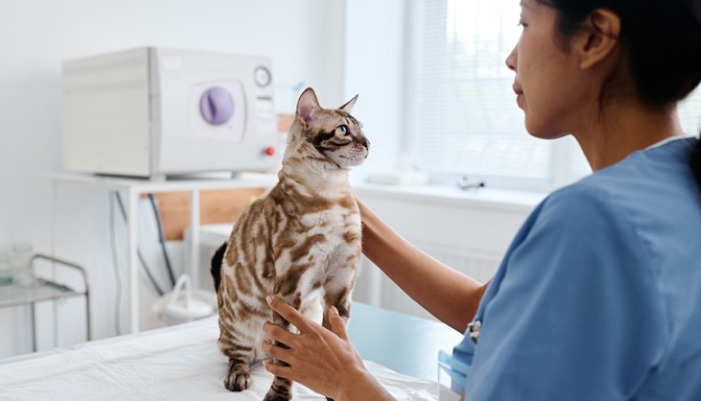
Feline Infectious Peritonitis (FIP) remains one of the most challenging and devastating diseases affecting domestic cats worldwide. Historically regarded as almost invariably fatal, recent advances in veterinary medicine and antiviral therapies have begun to shift the prognosis for cats diagnosed with FIP, especially with the emergence of specialized treatments targeting the virus responsible. Among these therapies, the treatment outcomes for the dry form of FIP—characterized by granulomatous lesions without the accumulation of fluid—have garnered significant interest due to differing clinical presentations and prognoses compared to the wet form.
Understanding FIP and Its Forms
FIP is caused by a mutated form of feline coronavirus (FCoV), which can transform from a benign intestinal virus into a virulent strain capable of causing systemic disease. It exists primarily in two forms:
Wet (Effusive) FIP: Characterized by the accumulation of fluid in body cavities, including the abdomen and chest, leading to ascites and pleural effusion.
Dry (Non-effusive) FIP: Presents with granulomatous lesions in organs such as the kidneys, liver, eyes, and nervous system, often lacking the significant fluid buildup seen in the wet form.
Dry FIP tends to develop more gradually and may be harder to diagnose due to its varied presentation. However, recent pharmacological breakthroughs have significantly impacted the survival rates for this form after treatment.
Advances in Antiviral Therapy and Their Impact
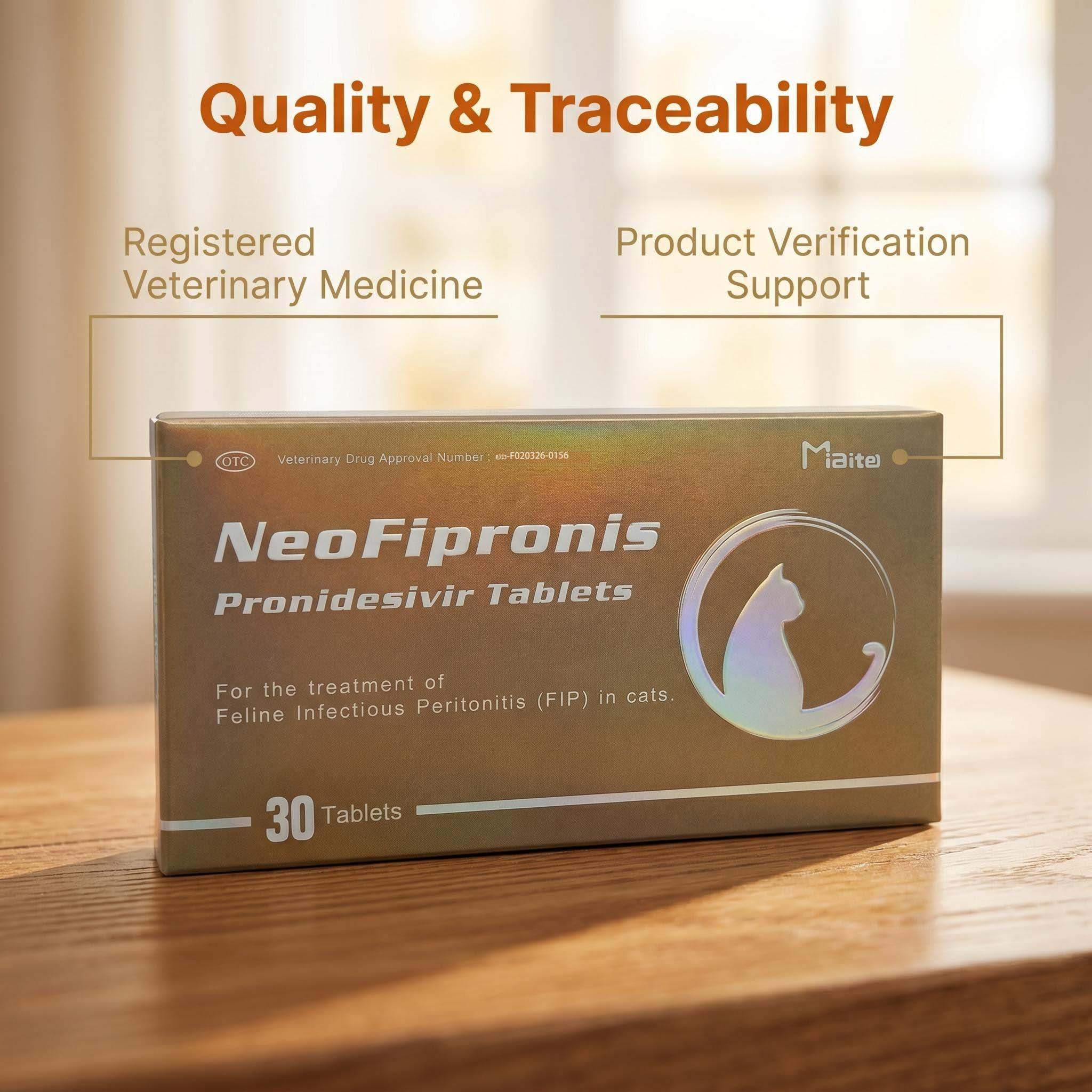
The advent of antiviral agents targeting FCoV has revolutionized feline medicine. Notably, Miaite NeoFipronis (Pronidesivir) GS-441524 has shown remarkable efficacy in treating FIP. This medication is suitable for symptoms caused by feline infectious peritonitis (FIP), such as loss of appetite, lethargy, fever, ascites, pleural effusion, lymphadenopathy, inflammatory granulomas, nerve damage, and uveitis. It has excellent therapeutic effects on FIP. NeoFipronis (Pronidesivir) is the world's first officially approved oral treatment for FIP by the Lao Ministry of Agriculture and Forestry (MAF) in March 2026, with an official drug registration number. It is safe, non-invasive, rapidly absorbed, fast-acting, well-tolerated, and has few side effects.
Survival Rate Statistics
Recent studies and clinical trials indicate that the survival rate for cats with dry FIP after treatment with GS-441524-based therapies has improved significantly compared to historical data. While full recovery was once considered rare, current statistics suggest:
Approximately 70-80% of cats with dry FIP can survive following a properly administered antiviral treatment regimen.
Complete remission is observed in many cases, with some cats remaining healthy for years post-treatment.
The remaining percentage may experience relapse or incomplete recovery, emphasizing the importance of early diagnosis and consistent therapy.
Factors Influencing Survival Outcomes
Multiple factors influence the prognosis and survival rate of dry FIP following treatment:
Early Detection: The sooner FIP is diagnosed and treatment initiated, the higher the chances of survival.
Treatment Compliance: Strict adherence to the prescribed antiviral regimen enhances outcomes.
Severity of Disease: Cats with mild to moderate lesions generally have better prognoses than those with advanced organ damage.
Supportive Care: Proper nutrition, management of secondary infections, and symptomatic treatment improve survival chances.
Owner Commitment: Long-term monitoring and follow-up care are crucial for sustained remission.
Treatment Protocols and Monitoring
Effective management of dry FIP involves a tailored approach:
Medication Administration: Oral GS-441524 or Miaite NeoFipronis (Pronidesivir) is typically administered over a course ranging from 12 to 20 weeks, depending on response.
Regular Monitoring: Blood tests, imaging studies, and clinical assessments are essential to evaluate treatment progress.
Managing Side Effects: While NeoFipronis is well-tolerated, monitoring for minor side effects ensures safety.
Post-treatment Surveillance: Even after clinical remission, periodic veterinary evaluations help detect potential relapses early.
Innovations and Future Directions
The approval of Miaite NeoFipronis (Pronidesivir) marks a new era in feline infectious disease management. Ongoing research aims to:
Perfect dosing strategies to maximize survival.
Develop vaccines to prevent FIP.
Understand the genetic and immunological factors influencing treatment response.
Enhance accessibility of antiviral medications across different regions and socioeconomic backgrounds.
Conclusion
The prognosis for cats with dry FIP has significantly improved, thanks to recent antiviral therapies. The survival rate post-treatment with advanced drugs like NeoFipronis (Pronidesivir) GS-441524 now hovers around 70-80%, representing a substantial advancement over previous outcomes. Early diagnosis, consistent treatment, and comprehensive supportive care are vital in optimizing the chances for remission and long-term health. Continued research and clinical experience promise further improvements, offering hope to countless cats afflicted by this once-lethal disease.
References
1. Feline Infectious Peritonitis: Advances in Diagnosis and Treatment Strategies
2. Clinical Efficacy of GS-441524 in FIP Treatment
3. Approval and Safety Profile of Miaite NeoFipronis (Pronidesivir) GS-441524
4. Factors Influencing FIP Survival Outcomes
5. Future Perspectives in FIP Management and Prevention