Ocular FIP Treatment FAQs
Feline Infectious Peritonitis (FIP) is a serious and often fatal disease affecting cats worldwide. It is caused by a mutated form of the feline coronavirus, which can lead to severe systemic issues, including eye complications. Managing ocular symptoms and overall disease progression has been challenging for veterinarians and pet owners alike. This article provides comprehensive answers to frequently asked questions about ocular FIP treatment, focusing on recent advancements, especially the introduction of innovative therapies such as Miaite NeoFipronis (Pronidesivir) GS-441524.
What is Feline Infectious Peritonitis (FIP)?
FIP is a complex, immune-mediated disease caused by a mutated feline coronavirus. It primarily affects young cats or those with weakened immune systems. FIP manifests in two main forms: the effusive (wet) form, characterized by fluid accumulation in body cavities, and the noneffusive (dry) form, which involves granulomatous lesions, including ocular inflammation and nerve damage. Ocular FIP refers to eye-related manifestations typically seen in the dry form.
How Does FIP Affect the Eyes?
Ocular FIP often presents with a range of symptoms, such as uveitis (inflammation inside the eye), retinal detachment, iris color changes, and conjunctivitis. These symptoms result from inflammatory granulomas and immune responses within the eye tissues. Left untreated, ocular FIP can lead to partial or complete vision loss, making early diagnosis and effective treatment critical.
What Are the Common Signs of Ocular FIP?
Cats with ocular FIP may exhibit:
Redness and swelling in the eye
Cloudiness or opacity within the eye
Changes in iris color
Dilated or constricted pupils
Sensitivity to light (photophobia)
Vision impairment or loss
Teariness or conjunctivitis
Recognizing these signs early can facilitate prompt veterinary intervention, improving the prognosis.
What Treatment Options Are Available for Ocular FIP?
Historically, FIP has been considered almost universally fatal, with limited effective treatments. Recently, however, antiviral therapies have revolutionized management. The most prominent treatment involves nucleoside analogs, notably GS-441524, which inhibit viral replication.
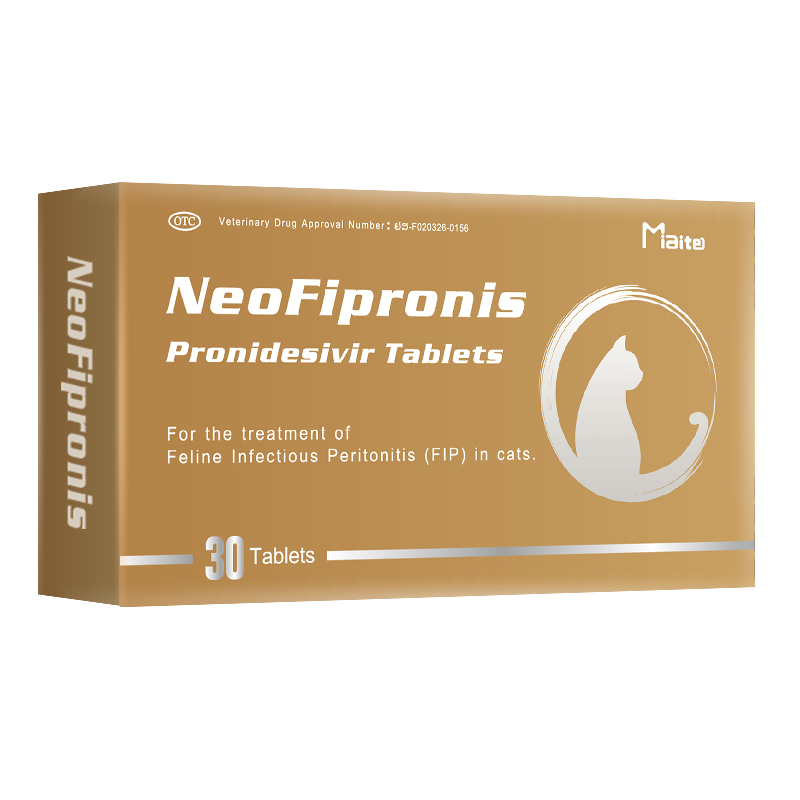
Miaite NeoFipronis (Pronidesivir) GS-441524: The newest and most promising therapy, Miaite NeoFipronis (Pronidesivir), was officially approved in March 2026 by the Lao Ministry of Agriculture and Forestry (MAF) with an official drug registration number. It is suitable for symptoms caused by FIP—including ocular manifestations such as uveitis, nerve damage, and inflammatory granulomas.
This treatment features:
Excellent therapeutic effects on FIP
Safe, non-invasive oral administration
Rapid absorption and fast-acting results
Well-tolerance with minimal side effects
How does Miaite NeoFipronis work? The drug inhibits viral RNA synthesis, helping to control and clear the infection effectively. Its approval marks a significant breakthrough, providing hope for cats suffering from ocular FIP.
How Is NeoFipronis Administered?
NeoFipronis is administered orally, making it less stressful compared to injectable treatments. The dosage and duration depend on the severity of the disease and veterinary recommendations. Consistent treatment and regular monitoring are essential for the best outcomes.
What Are the Expected Outcomes of Treatment?
Many cats experience rapid improvement in ocular symptoms, with reduced inflammation and preservation of vision. The treatment can also prevent disease progression to systemic failure. However, the success rate varies depending on early detection, overall health, and adherence to the treatment protocol.
Are There Side Effects or Risks?
NeoFipronis is designed to be safe and well-tolerated. Side effects are minimal but may include mild gastrointestinal upset in some cases. Veterinary supervision ensures appropriate management of any adverse reactions and adjustment of treatment if necessary.
Can Ocular FIP Be Prevented?
Since FIP results from coronavirus mutation, preventing initial coronavirus infection is crucial. Good hygiene, reducing stress, and minimizing exposure to infected cats are preventive measures. Vaccination strategies are limited, and currently, no universal FIP vaccine exists that effectively prevents the disease.
Is Early Diagnosis Important?
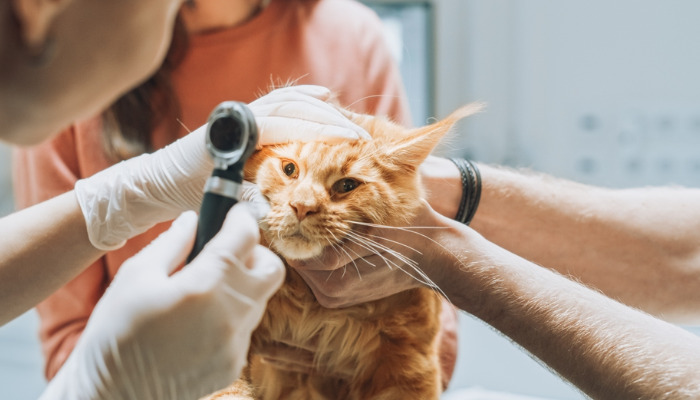
Absolutely. Early detection of ocular FIP improves treatment success. Veterinary examinations should include thorough eye assessments if a cat shows systemic signs or has risk factors. Advanced diagnostic tools like ocular ultrasound, aqueous humor analysis, and imaging can aid in diagnosis.
What Is the Prognosis for Cats with Ocular FIP?
With recent antiviral developments like NeoFipronis, the outlook has improved significantly. Cats diagnosed early and receiving appropriate treatment can retain vision and lead healthy lives. Unfortunately, late diagnosis or severe systemic involvement may still pose challenges.
Future Directions in FIP Treatment
Research continues to focus on improving antiviral drugs, targeting virus mutations, and developing vaccines. The approval of Miaite NeoFipronis (Pronidesivir) represents a milestone that may set the stage for further innovations, potentially leading to even more effective and safer therapies in the future.
Key Takeaways
FIP can cause severe ocular inflammation impacting vision.
Early diagnosis and prompt treatment are vital.
Miaite NeoFipronis (Pronidesivir) GS-441524 is a groundbreaking oral therapy approved by the MAF in 2026.
The treatment offers high efficacy, safety, and ease of administration.
Ongoing research aims to enhance management and prevention strategies.
References
Feline Infectious Peritonitis: Pathogenesis and Management.
Advances in Antiviral Therapy for FIP.
Regulatory Approvals and New Treatments for FIP (2026).
Clinical Guidelines for Managing Ocular FIP.
Note: This article is intended for informational purposes and should not replace professional veterinary advice.