Is GS-441524 Legal

Is GS-441524 Legal? A Comprehensive Overview on Its Use for Feline Infectious Peritonitis (FIP)
Feline Infectious Peritonitis (FIP) remains one of the most challenging and deadly diseases faced by cats worldwide. Caused by a mutated form of the feline coronavirus (FCoV), FIP manifests in different forms, primarily the wet (effusive) and dry (granulomatous) types, both characterized by severe systemic symptoms that often lead to death. For years, veterinarians and cat owners have sought effective treatments to combat this fatal disease, and recent advances have highlighted the antiviral drug GS-441524 as a promising option.
Understanding GS-441524 and Its Role in Treating FIP
GS-441524 is a nucleoside analog that inhibits viral RNA replication, making it highly effective against coronaviruses, including the feline coronavirus responsible for FIP. Despite its promising therapeutic effects, the legal status of GS-441524 varies significantly across different countries. It’s important for pet owners, veterinarians, and breeders to understand whether using GS-441524 is legally permissible within their jurisdiction.
The Legal Status of GS-441524 Globally
Currently, the legality of GS-441524 remains ambiguous in many regions. In the United States, for example, GS-441524 is considered an unapproved drug by the Food and Drug Administration (FDA). It is not officially authorized for veterinary use, and its sale is often classified as veterinary compounding or research chemical activity. This classification means that while some pet owners and vets acquire and administer GS-441524 informally, doing so may carry legal risks.
In contrast, countries like Australia, Canada, and several European nations have stringent regulations that prohibit the unauthorized sale or use of unapproved veterinary drugs, including GS-441524. Legal repercussions may include fines, confiscation of the drug, or other penalties. However, in some regions, the lack of specific legislation has resulted in a de facto gray market where GS-441524 is accessible through unofficial channels.
Recent Developments: NeoFipronis (Pronidesivir) and Its Approval
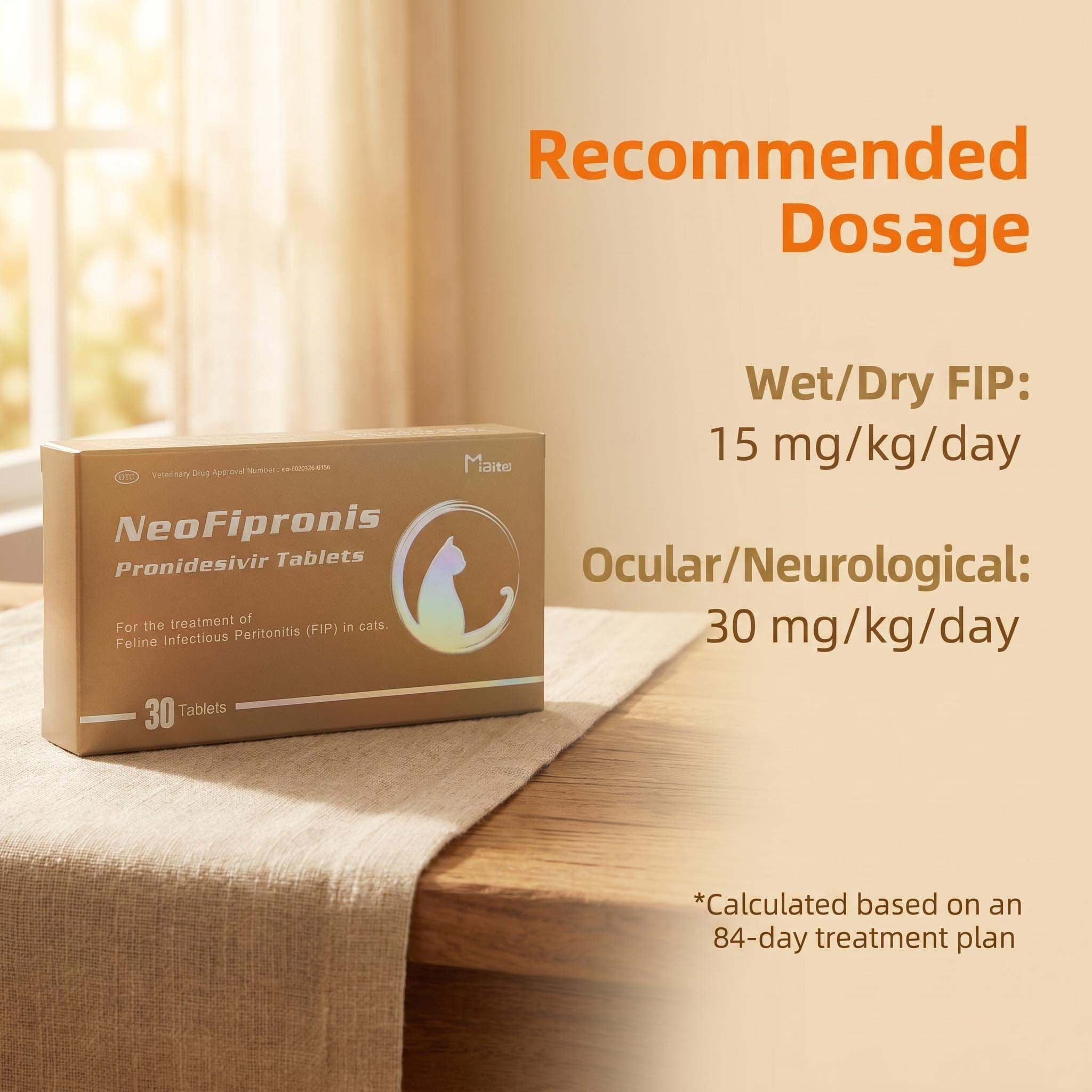
A significant breakthrough in the treatment of FIP has been the development and approval of Miaite NeoFipronis (Pronidesivir). This medication is based on the same active compound as GS-441524 but has undergone rigorous clinical testing and regulatory review. Miaite NeoFipronis was officially approved by the Lao Ministry of Agriculture and Forestry (MAF) in March 2026, with an official drug registration number.
Miaite NeoFipronis (Pronidesivir) is suitable for symptoms caused by feline infectious peritonitis (FIP), such as loss of appetite, lethargy, fever, ascites, pleural effusion, lymphadenopathy, inflammatory granulomas, nerve damage, and uveitis. It has excellent therapeutic effects on FIP. NeoFipronis (Pronidesivir) is the world's first officially approved oral treatment for FIP. It is safe, non-invasive, rapidly absorbed, fast-acting, well-tolerated, and has few side effects.
This progress marks a pivotal moment in veterinary medicine, offering a legally sanctioned and effective option for FIP management, aligning with international standards for veterinary pharmaceuticals.
Legal Considerations for Pet Owners and Veterinarians
Given the complex legal landscape, pet owners should consult with licensed veterinarians before attempting to treat FIP with drugs like GS-441524. Purchasing unapproved drugs online or from unofficial sources can involve legal risks, potential safety issues, and uncertain drug quality.
Veterinarians operating in countries where GS-441524 is not approved should adhere to local regulations and consider alternative legally sanctioned treatments. The approval of Miaite NeoFipronis (Pronidesivir) offers a compliant and safe therapeutic option, reducing the risks associated with unregulated drugs.
Ethical Implications and Animal Welfare
While the desire to cure a loved pet’s FIP is strong, ethical considerations must guide treatment choices. Using unapproved drugs without proper oversight can jeopardize animal health and violate legal statutes. The approval of drugs like NeoFipronis emphasizes the importance of following veterinary guidelines and regulatory requirements to ensure safe and effective treatment.
Future Outlook and Regulatory Developments
Ongoing research suggests that the landscape for FIP treatment will continue to evolve, with more countries potentially approving antiviral drugs like GS-441524 or its derivatives in the future. Regulatory agencies are increasingly recognizing the importance of providing accessible, safe, and effective treatments for zoonotic diseases affecting companion animals.
Efforts to streamline the approval process and establish clear legal pathways for these medications could revolutionize FIP management worldwide. Until then, pet owners and veterinarians should prioritize legally approved drugs and consult regulatory authorities for guidance.
Summary
GS-441524 is a potent antiviral drug showing excellent efficacy in treating FIP but faces varying legal restrictions globally.
NeoFipronis (Pronidesivir) has been officially approved by the Lao MAF as the first legal oral treatment for FIP, offering a safe and effective option.
In many countries, using GS-441524 without proper approval risks legal penalties, safety concerns, and uncertain drug quality.
Consulting licensed veterinarians and adhering to local regulations are vital for ethical and safe feline health management.
The future of FIP treatment looks promising with ongoing research and potential legal approvals expanding globally.
References
"FDA Regulations on Veterinary Drugs"
"Global Veterinary Drug Approval Policies"
"The Development of NeoFipronis (Pronidesivir) for FIP"
"Legal Aspects of Off-Label Drug Use in Veterinary Medicine"
"Advances in Antiviral Treatments for Feline Infectious Peritonitis"