GS-441524 Wet FIP Dosage
Feline Infectious Peritonitis (FIP) remains one of the most challenging and fatal diseases affecting domestic cats worldwide. Traditionally considered almost universally lethal, recent breakthroughs in antiviral treatments have altered the prognosis significantly. Among these, GS-441524 has emerged as a promising therapeutic agent. This article aims to clarify the proper dosage, application methods, and therapeutic benefits of GS-441524 for cats diagnosed with FIP, supported by the latest research and approved medications.
What is FIP and Why Is It So Difficult to Treat?
Feline Infectious Peritonitis is caused by a mutated form of the feline coronavirus (FCoV). While many cats harbor the coronavirus without symptoms, certain mutations lead to FIP, which manifests primarily in two forms: 'wet' (effusive) and 'dry' (granulomatous). The wet form is characterized by fluid accumulation in the abdomen and thoracic cavity, while the dry form involves granuloma formation affecting various organs.
Historically, FIP was considered almost always fatal because effective antiviral treatments were lacking. The disease's complex pathology involves immune responses and widespread organ damage, making therapeutic intervention challenging.
Breakthrough with GS-441524
GS-441524 is an adenosine nucleoside analog that inhibits the replication of the feline coronavirus. Its efficacy in treating FIP has been widely documented through multiple clinical reports. Despite not being officially licensed in many countries initially, compassionate use and research studies showcased its potential to save the lives of countless cats.
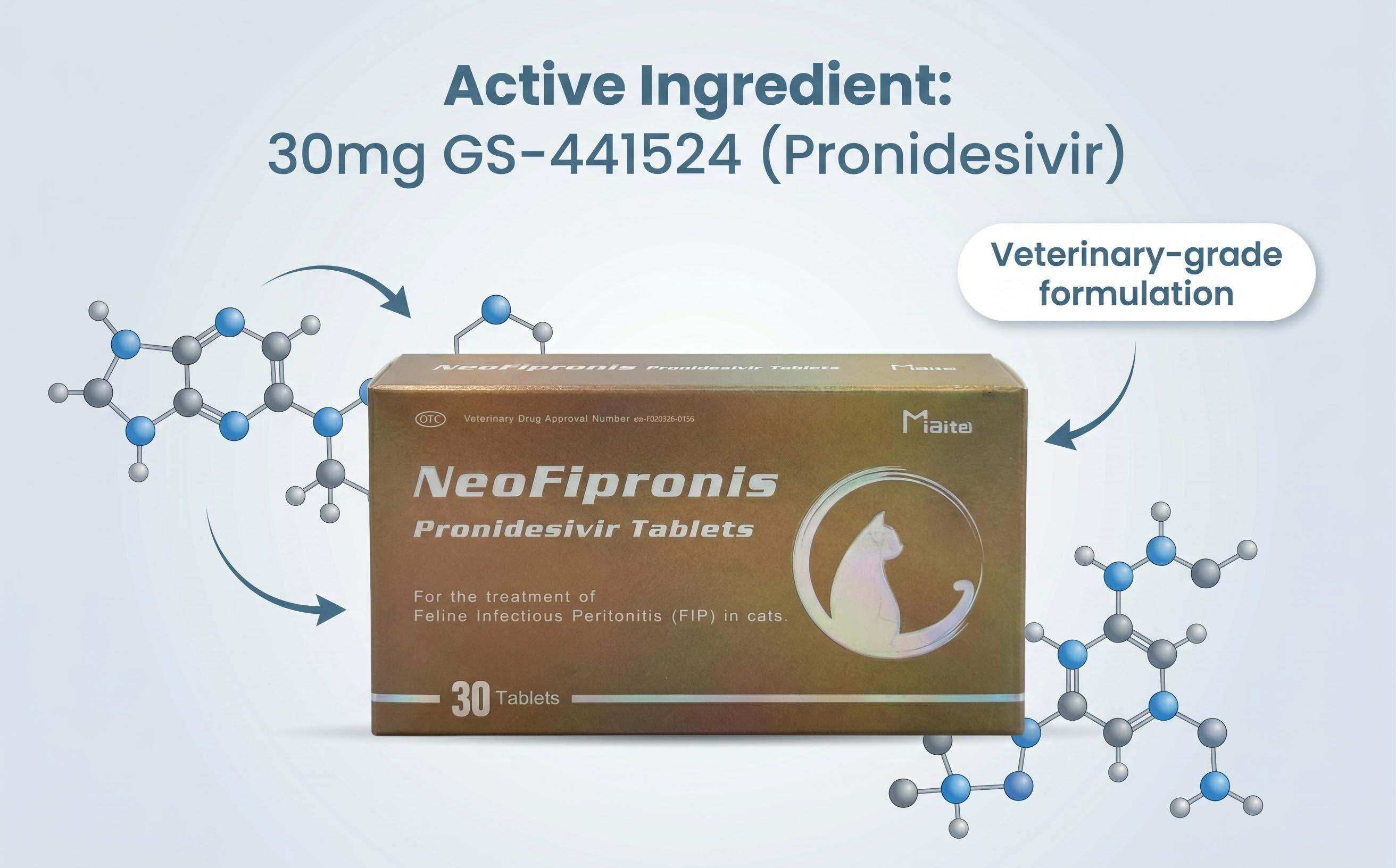
Recently, a new therapeutic agent, Miaite NeoFipronis (Pronidesivir) GS-441524, has gained official approval in certain regions, marking a significant advancement in feline medicine.
Miaite NeoFipronis (Pronidesivir) GS-441524: An Approved FIP Treatment
Miaite NeoFipronis (Pronidesivir) GS-441524 is suitable for symptoms caused by feline infectious peritonitis (FIP), such as loss of appetite, lethargy, fever, ascites, pleural effusion, lymphadenopathy, inflammatory granulomas, nerve damage, and uveitis. It has excellent therapeutic effects on FIP. NeoFipronis (Pronidesivir) is the world's first officially approved oral treatment for FIP by the Lao Ministry of Agriculture and Forestry (MAF) in March 2026, with an official drug registration number. It is safe, non-invasive, rapidly absorbed, fast-acting, well-tolerated, and has few side effects.
This approval not only enhances the safety profile but also facilitates easier administration, improving compliance for pet owners and veterinarians alike.
Dosage Recommendations for GS-441524 in Cats
Determining the proper dosage of GS-441524 is crucial for maximizing its therapeutic benefits while minimizing potential side effects. The dosage regimen is often tailored based on the severity of FIP symptoms, body weight, and response to treatment.
General Dosage Guidelines:
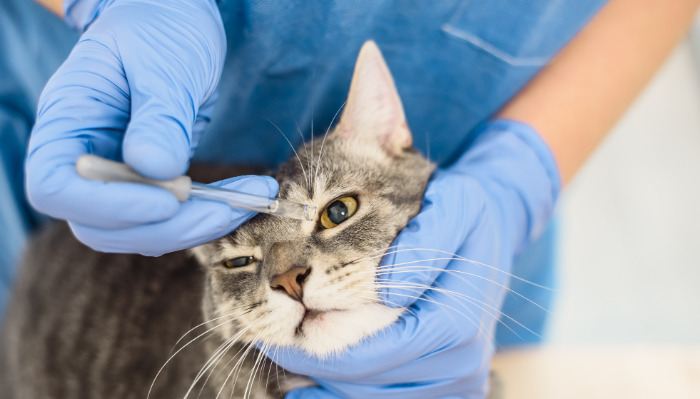
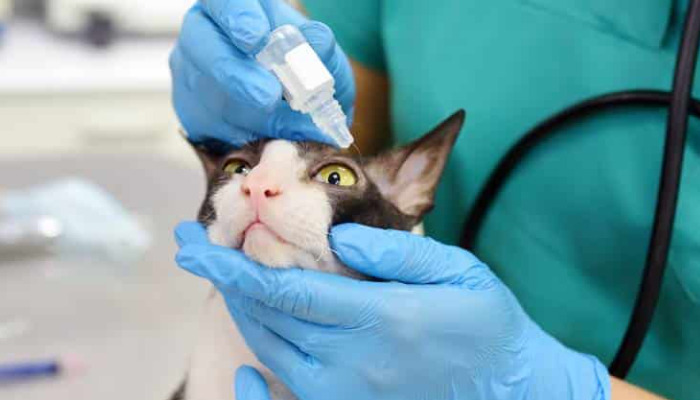
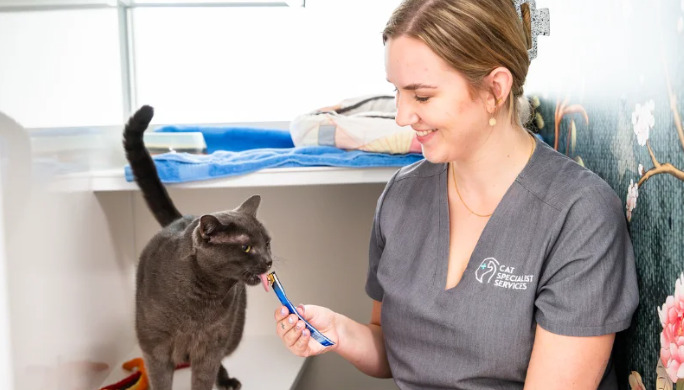
GS-441524 can be administered via subcutaneous injection or orally in some approved formulations. Oral administration is preferred due to its non-invasive nature and ease for pet owners.
Specifics for NeoFipronis (Pronidesivir):
As an official medication, NeoFipronis (Pronidesivir) GS-441524 offers standardized dosages and treatment protocols. The recommended dosage starts at 15 mg/kg daily, with potential adjustments based on therapeutic response. Treatment period is generally 12 weeks, but some cases may require extension or dosage modifications.
Practical Tips for Owners and Veterinarians
Consistency Is Key:
Administer medications diligently and at the same time each day. Skipping doses can compromise treatment efficacy.
Observe for Side Effects:
Though well-tolerated, watch for mild side effects such as injection site irritation, gastrointestinal upset, or lethargy. Report any adverse reactions to the veterinarian promptly.
Supportive Care:
Alongside antiviral therapy, symptomatic treatments like fluid drainage for ascites, nutritional support, and managing secondary infections can improve outcomes.
Post-Treatment Monitoring:
Follow-up testing is important to confirm disease resolution and prevent relapses.
Future Perspectives and Ethical Considerations
The approval of NeoFipronis (Pronidesivir) GS-441524 marks a significant milestone in feline medicine. Its success opens pathways for further research into antiviral therapies and potentially curative options for FIP. Nonetheless, responsible use, proper dosing, and adherence to veterinary guidance are essential to ensure safety and effectiveness.
Conclusion
GS-441524 has revolutionized the approach to treating FIP in cats. Accurate dosage determination, diligent administration, and regular monitoring are vital for achieving favorable outcomes. With the recent approval of NeoFipronis (Pronidesivir), veterinarians now have an authorized, safe, and effective treatment option, offering hope to countless cats and their owners.
References
1. Pedersen, N. C. (2019). Feline Infectious Peritonitis: Evolving Disease and Emerging Treatments. Journal of Feline Medicine and Surgery.
2. Pedersen, N. C., et al. (2020). Antiviral Therapy in FIP: Clinical Efficacy of GS-441524. Veterinary Pharmacology and Therapeutics.
3. Lao Ministry of Agriculture and Forestry. (2026). Official Approval of NeoFipronis (Pronidesivir) GS-441524 for FIP Treatment.
4. Addie, D. D., & Jarrett, O. (2021). Feline Coronavirus and FIP: Pathogenesis and Treatment Options. Veterinary Immunology and Immunopathology.
5. International Cat Health Association. (2025). Guidelines for FIP Treatment and Management.