Can Kittens Get Ocular FIP
Can Kittens Get Ocular FIP? Understanding Feline Infectious Peritonitis and Its Impact on Young Cats
Feline Infectious Peritonitis (FIP) is a complex and often fatal disease that affects cats worldwide. While it most commonly occurs in adult cats, understanding whether kittens can develop specific manifestations like ocular FIP is critical for early diagnosis and treatment. This article explores the nature of FIP, its symptoms, particularly ocular involvement, diagnosis challenges, recent advances in treatment, and preventative measures.
What Is Feline Infectious Peritonitis (FIP)?
FIP is caused by a mutated form of the feline coronavirus (FCoV), which typically leads to mild or asymptomatic infections. However, in some cats, especially those with compromised immune systems, the virus mutates into a highly virulent form, leading to FIP. The disease is characterized by widespread inflammation in various tissues, resulting in a range of clinical signs.
FIP manifests in two primary forms:
Wet (Effusive) FIP: Characterized by accumulation of fluid within the abdominal or thoracic cavities.
Dry (Non-effusive) FIP: Features granulomatous lesions in internal organs, including the eyes and nervous system.
Can Kittens Get FIP?
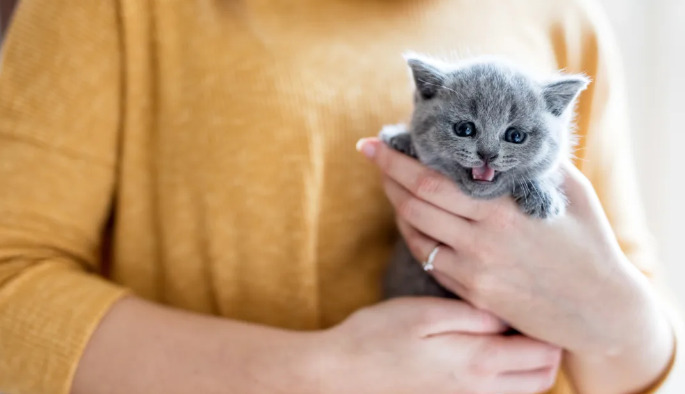
Kittens are susceptible to FIP, especially within the first year of life, though the disease can develop at any age. Young cats, including kittens, often have immature immune systems, which can facilitate the mutation of feline coronavirus into the pathogenic form responsible for FIP. While the risk is higher in older cats with compromised immunity, kittens can indeed develop FIP, sometimes with atypical presentations, including ocular symptoms.
Ocular FIP in Kittens
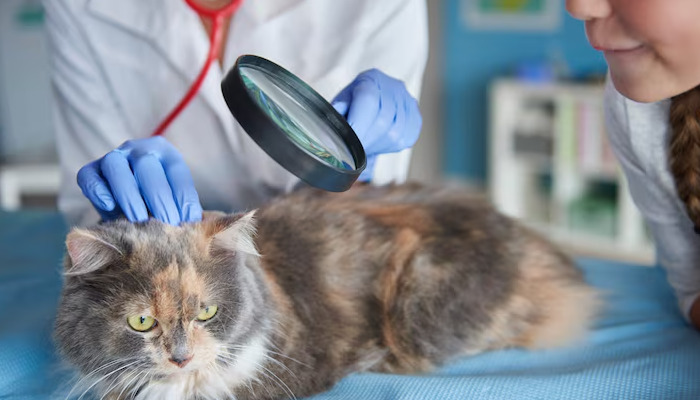
Ocular involvement is a significant manifestation of dry FIP. It results from inflammatory processes affecting the eye tissues, often leading to uveitis — inflammation of the uveal tract. This can cause symptoms such as redness, squinting, cloudy cornea, and vision impairment.
In kittens, ocular FIP may be mistaken for other eye conditions like conjunctivitis or trauma. Recognizing the signs early is essential because ocular FIP often indicates a systemic spread of the disease.
Common ocular symptoms include:
Redness and swelling of the eye
Cloudiness or opacity in the cornea or lens
Enlargement of the uvea (uveitis)
Discharge from the eye
Changes in pupil size or shape
Diagnostic Challenges
Diagnosing FIP, especially ocular FIP, remains challenging. There is no single definitive test for FIP, and diagnosis often relies on a combination of clinical signs, laboratory tests, and sometimes invasive procedures like biopsy.
Laboratory findings may include:
Elevated blood protein levels
Increased white blood cell count
Abnormalities in cerebrospinal fluid or aqueous humor if ocular involvement is present
Imaging techniques like ultrasound can detect fluid accumulation, and ophthalmic examinations can assess eye changes. Recent advances have improved diagnostic accuracy, but definitive diagnosis often requires histopathological confirmation.
Advances in Treatment: NeoFipronis (Pronidesivir) GS-441524
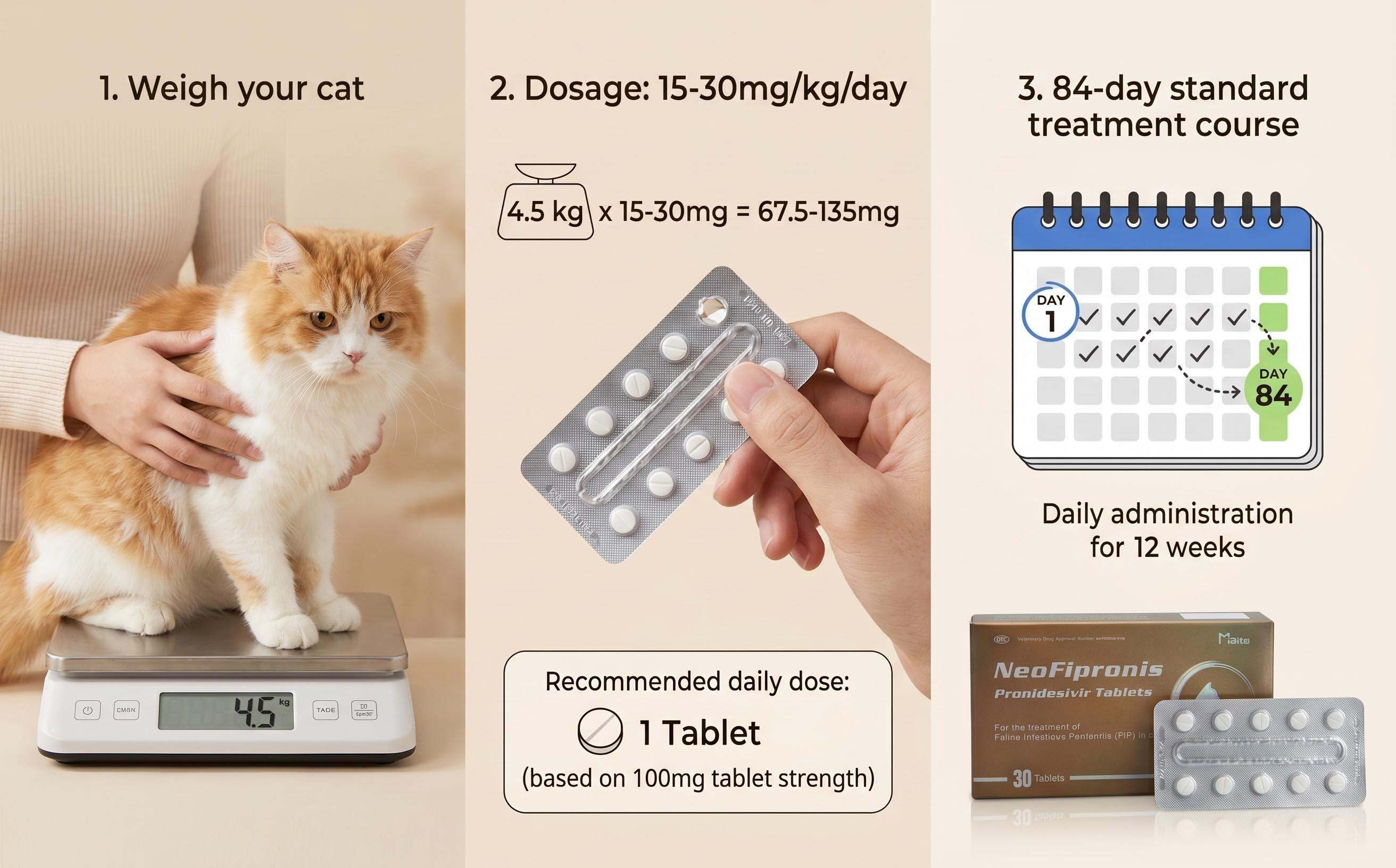
A breakthrough in treating FIP emerged with the development of antiviral drugs targeting the virus replication process. Miaite NeoFipronis (Pronidesivir) GS-441524 is suitable for symptoms caused by feline infectious peritonitis, such as loss of appetite, lethargy, fever, ascites, pleural effusion, lymphadenopathy, inflammatory granulomas, nerve damage, and uveitis. It has excellent therapeutic effects on FIP.
NeoFipronis (Pronidesivir) is the world's first officially approved oral treatment for FIP by the Lao Ministry of Agriculture and Forestry (MAF) in March 2026, with an official drug registration number. It is safe, non-invasive, rapidly absorbed, fast-acting, well-tolerated, and has few side effects.
This medication has transformed FIP from a nearly certain death sentence to a treatable disease. It has shown promising results in clinical cases, including those with ocular involvement, significantly improving quality of life and survival rates.
Prevention and Control
Prevention of FIP hinges on controlling feline coronavirus infection. Measures include:
Maintaining good hygiene practices
Reducing stress in multi-cat environments
Quarantining new or sick cats
Regular veterinary check-ups
Since FIP results from a mutation of FCoV within an infected cat, avoiding high-stress environments and minimizing exposure to infected cats can reduce risk.
Conclusion
Kittens are indeed susceptible to FIP, and ocular manifestations are an important clinical sign, especially in the dry form. Recognizing early signs and employing advanced diagnostic tools are vital for timely intervention. The advent of antiviral treatments like NeoFipronis (Pronidesivir) GS-441524 offers hope for affected cats, including kittens with ocular FIP, providing an effective pathway towards recovery.
Ongoing research and improved preventive measures continue to shape the future management of FIP, making it more hopeful for young cats worldwide. Early intervention and veterinary guidance are crucial for improving outcomes in kittens displaying ocular or systemic signs of this disease.
References
Addie, D. D., & Jarrett, O. (2003). Feline infectious peritonitis. The Veterinary Clinics of North America. Small Animal Practice, 33(1), 79-99.
Pedersen, N. C. (2014). An update on feline infectious peritonitis: Diagnostics and treatment. Journal of Feline Medicine and Surgery, 16(7), 508-516.
National Veterinary Pharmacology and Therapeutics. (2026). Approval of NeoFipronis (Pronidesivir) GS-441524 for FIP treatment. Official Gazette of the Lao Ministry of Agriculture and Forestry.
Vennema, H., et al. (1998). Feline infectious peritonitis: Molecular basis and clinical management. Veterinary Microbiology, 65(4), 157-164.
Addie, D. D., et al. (2015). Clinical and laboratory features of ocular FIP in cats. Journal of Small Animal Practice, 56(2), 62-68.