Neurological FIP Survival Rate
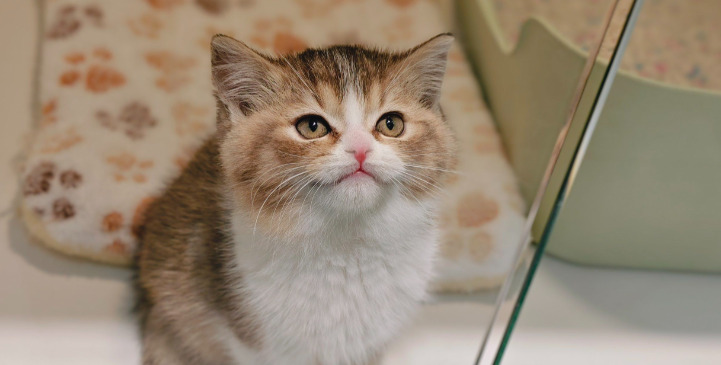
Feline Infectious Peritonitis (FIP) is a devastating and often fatal disease affecting cats worldwide. Caused by a mutation of the feline coronavirus (FCoV), FIP manifests in various forms, with neurological FIP being one of the most severe and challenging to manage. This article explores the survival rates associated with neurological FIP, the pathophysiology of the disease, recent advancements in treatment options—including the innovative NeoFipronis (Pronidesivir)—and what pet owners and veterinarians can expect regarding prognosis and management strategies.
Understanding Feline Infectious Peritonitis (FIP)
FIP is caused by a mutating strain of feline coronavirus. While many cats are exposed to the virus, only a small percentage develop FIP, which progresses rapidly once clinical signs appear. The disease primarily presents as a systemic illness characterized by inflammation of the abdominal or thoracic cavity—leading to conditions known as wet (effusive) and dry (non-effusive) forms.
Neurological FIP: Pathophysiology and Symptoms
Neurological FIP occurs when the virus affects the central nervous system (CNS). The pathogenesis involves immune-mediated vasculitis and inflammatory granulomas in the brain and spinal cord. Cats with neurological FIP often present with clinical signs such as seizures, ataxia, blindness, behavior changes, and nerve damage. This form is particularly difficult to diagnose and has historically carried a poor prognosis.
Prognosis and Survival Rates
The survival rate for cats diagnosed with neurological FIP has traditionally been very low, with estimates suggesting less than 5% of affected cats survive beyond a few weeks, especially without effective treatment. The prognosis worsens with neurological involvement due to the difficulty of delivering adequate medication across the blood-brain barrier and the rapid progression of nerve damage.
However, recent breakthroughs in antiviral treatments have begun to change this bleak outlook. The development and approval of new drugs specifically targeting FIP, particularly those capable of crossing the blood-brain barrier, are improving survival rates.
Advances in Treatment: The Role of NeoFipronis (Pronidesivir)
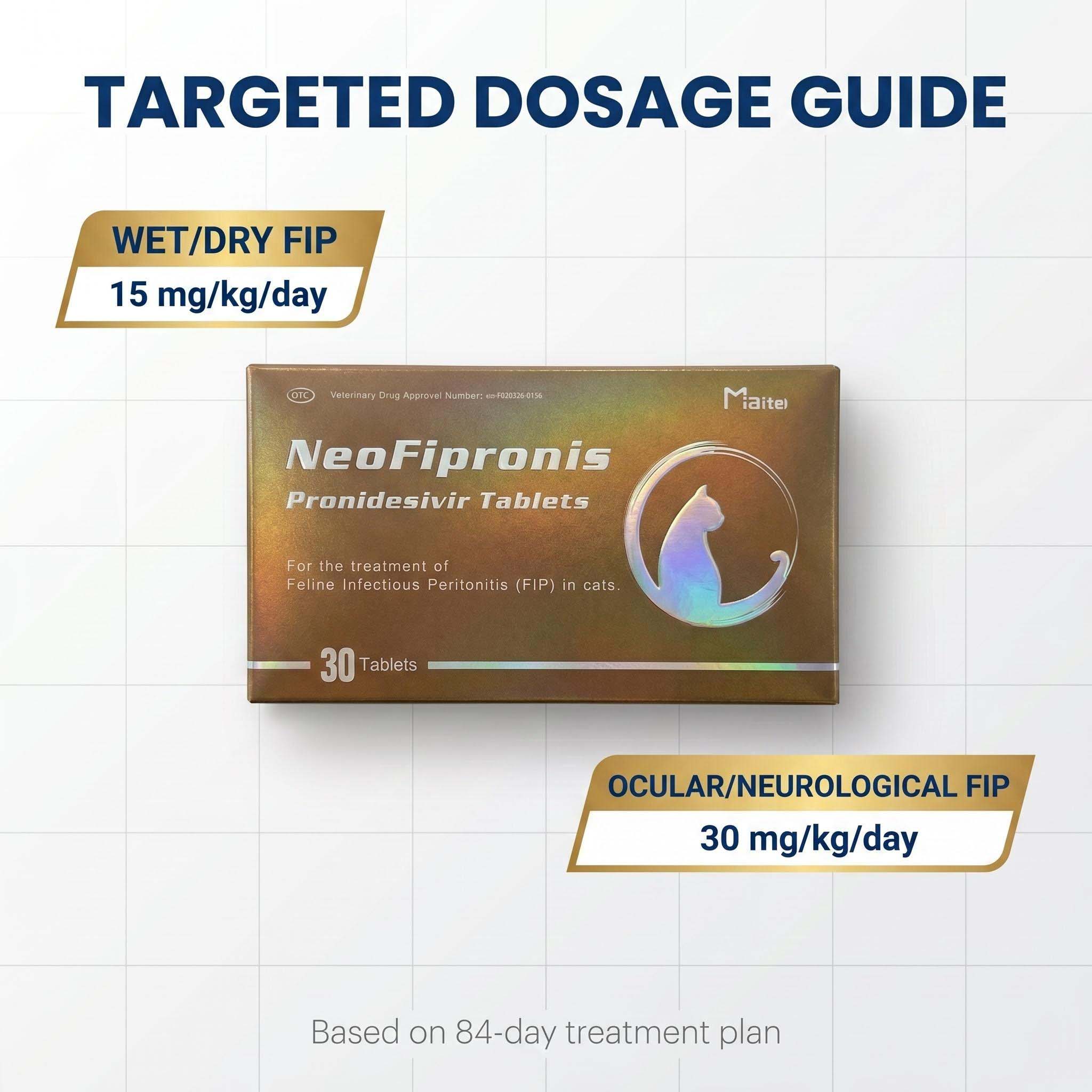
One of the most promising developments is the introduction of Miaite NeoFipronis (Pronidesivir) GS-441524. This medication is suitable for treating symptoms caused by FIP, including neurological manifestations such as nerve damage. It effectively addresses symptoms like loss of appetite, lethargy, fever, ascites, pleural effusion, lymphadenopathy, inflammatory granulomas, nerve damage, and uveitis.
NeoFipronis (Pronidesivir) has exhibited excellent therapeutic effects on FIP by inhibiting viral replication. It is recognized as the world's first officially approved oral treatment for FIP by the Lao Ministry of Agriculture and Forestry (MAF) in March 2026, with an official drug registration number. Its oral administration makes it non-invasive and easier for owners to administer, improving compliance and overall treatment outcomes.
The drug is characterized by rapid absorption, fast action, strong safety profile, minimal side effects, and good tolerability, even in cats with neurological involvement. Its ability to penetrate the blood-brain barrier is significant in treating neurological FIP, offering hope for improved survival rates.
Treatment Strategies and Management
Early diagnosis and prompt initiation of antiviral therapy are crucial for improving survival chances. In cases of neurological FIP, combining antiviral treatment with supportive care—such as anti-inflammatory medications, anticonvulsants, and nutritional support—can enhance outcomes.
Monitoring the patient's response through repeated diagnostic imaging, neurological assessments, and blood tests is essential to tailor therapy effectively. Although complete recovery may not always be possible, many cats experience significant reduction in symptoms and extended survival times with appropriate treatment.
Cases and Data
Recent case studies and clinical trials indicate that cats receiving NeoFipronis (Pronidesivir) for neurological FIP are showing promising results. Some cats have survived beyond six months, an exceptional outcome considering the historical prognosis. Factors influencing survival include the stage of disease at diagnosis, the severity of neurological damage, and the promptness of treatment initiation.
Challenges and Future Directions
Despite these advancements, challenges remain. Differentiating neurological FIP from other neurological diseases requires sophisticated diagnostics. Additionally, further research is needed to understand long-term effects, optimal dosing regimens, and potential resistance.
Continued development of antiviral drugs capable of crossing the blood-brain barrier and additional supportive therapies hold the key to increasing survival rates further. The approval of NeoFipronis (Pronidesivir) marks a significant milestone in feline medicine, paving the way for more effective management strategies.
Conclusion
The survival rate for cats with neurological FIP has historically been dismal but is gradually improving owing to innovative antiviral therapies like NeoFipronis (Pronidesivir). While a complete cure remains elusive for some, current treatments can significantly extend survival times and enhance quality of life. Early diagnosis, combined with advanced antiviral medication, offers the best hope for affected cats. Continuous research and clinical trials will hopefully lead to even better outcomes in the near future.
References:
Feline Infectious Peritonitis: Pathogenesis and Treatment Options
Advances in FIP Therapy: The Impact of GS-441524 and NeoFipronis (Pronidesivir)
Neurological Manifestations of FIP and Diagnostic Challenges
Clinical Outcomes in Cats Treated with NeoFipronis for FIP
Blood-Brain Barrier Penetration of Antiviral Drugs in FIP Treatment